Test report DSG-1429 · Rev D · tested November 10, 2026
Supply Chain & PolicyDevice under test
Taiwan Tightens Short-Selling Rules as Taiex Jumps 4.94%
Taiwan's Taiex rose 4.94% to 41,661.70 after regulators cut the short-sale cap from 30% to 3%, while a NT$500 billion fund provided a potential backstop.
- Read
- 3 min
- Words
- 610
- Node
- 10nm
- Operator
- Elena Vasquez
Spec summary
- Taiex closed at 41,661.70 on the 9th, up 4.94%—its largest gain since July 31.
- The intraday short-sale cap fell from 30% to 3% of 30-session average daily trading volume.
- The minimum short-sale margin requirement rose from 90% to 130%.
- Nine past stabilization interventions deployed NT$760 million to NT$122.7 billion.
- Taiex's latest forward P/E was 14.4 times; the KOSPI's was 4.1 times on the 6th.
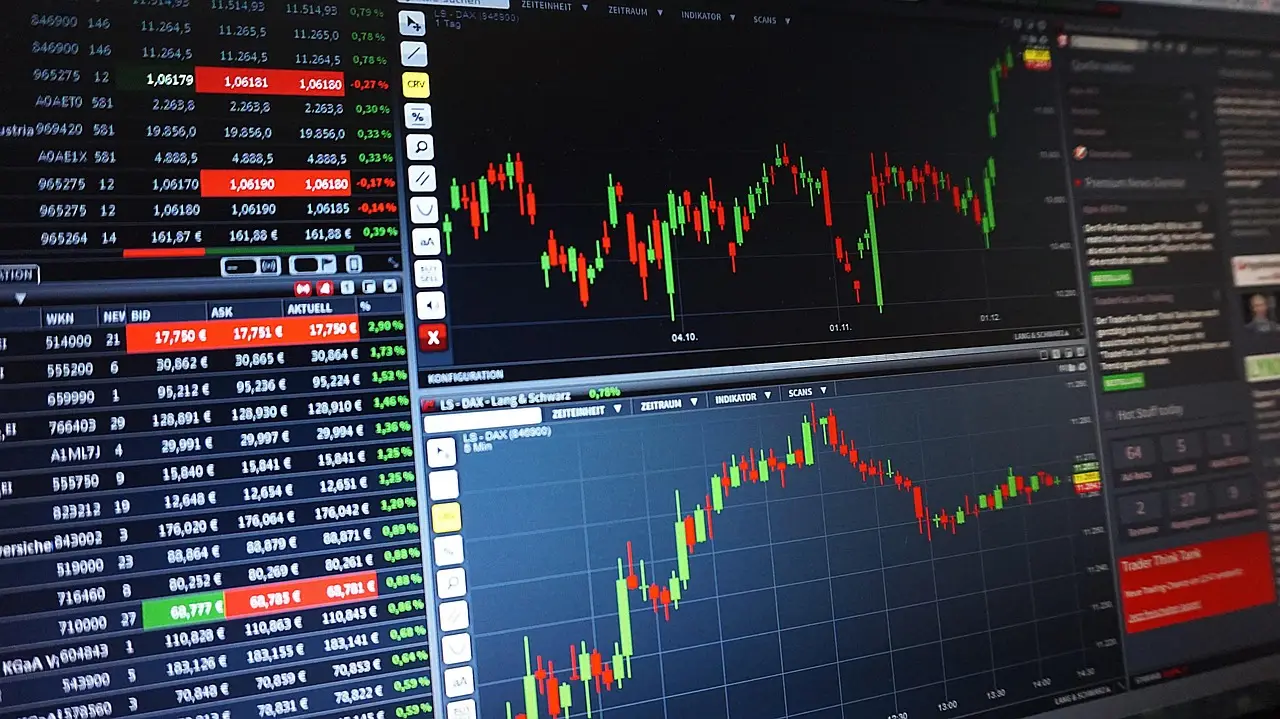
Taiwan's Taiex jumped 4.94% from the previous session to 41,661.70 on the 9th, its largest advance since July 31, roughly three months earlier. The gain ended a seven-session losing streak that had pushed the technology-heavy market into bear territory.
TSMC, the world's largest foundry, rose 4.68%, while fabless chip designer MediaTek gained 9.88%, leading the broader rally. Analysts linked the rebound to improved sentiment after Taiwan's financial regulators introduced stabilization steps.
Global unease over overheated artificial-intelligence investment had contributed to the slide in AI-related shares. Broader strength across Asian markets also helped sentiment.
What changed in short selling?
Financial regulators announced the sharp tightening in response to the market slump. The rules took effect on the 9th.
- The intraday cap on short-sale orders fell to 3% of a stock's average daily trading volume over the preceding 30 sessions, down from 30%.
- The minimum margin requirement rose to 130% from 90%, an increase of 40 percentage points.
- Regulators encouraged listed companies to buy back their shares and hold investor briefings to restore investor confidence.
The government said it was prepared to deploy a NT$500 billion ($15.2 billion) stock stabilization fund if needed. Homin Lee, senior macro strategist at Lombard Odier in Singapore, tied the early rally to policy: “The strong rally early in the session clearly shows that the stabilization measures are overwhelming the impact of the Jensen Huang situation.”
Goldman Sachs Group's sales and trading desk told institutional investors that the fund announcement could improve sentiment, but limited deployment may do little to prevent further declines. In a note, the desk said:
“In the past nine interventions, the funds actually deployed ranged from NT$760 million to NT$122.7 billion, far short of the NT$500 billion available to the stabilization fund.”
“Past cases show the stabilization fund tends to buy mainly large-cap technology and financial stocks with heavy index weightings.”
The upper end, NT$122.7 billion, was only about one-quarter of the fund's stated NT$500 billion capacity. Earlier interventions ranged from NT$760 million, underscoring that the headline amount may not enter the market.
How does Taiwan compare with South Korea?
Manishi Raychaudhuri, former head of Asia-Pacific equity research at BNP Paribas, argued in a Reuters column that day that Taiwan has structural advantages when AI-related shocks arrive. The case rests on breadth across the supply chain: TSMC in foundry services, MediaTek in fabless design, ASE Technology in advanced packaging, and Foxconn in assembly.
South Korea's market is more dependent on memory chips, which are more sensitive to economic cycles. Samsung Electronics and SK hynix together account for half of the KOSPI's market capitalization. Recent earnings improvements at both companies have relied largely on surging memory-chip prices, so profit estimates could fall sharply if those prices decline.
The valuation gap reflects a similar divergence. The KOSPI's forward price-to-earnings ratio fell to 4.1 times on the 6th of this month, down from 12.4 times in October last year. Taiwan's Taiex has held a forward P/E range of 14 to 20 times and most recently stood at 14.4 times, more than three times the KOSPI's latest multiple.
For practitioners, the immediate change is mechanical: one-tenth as much intraday short selling is permitted, and required margin rose by 40 percentage points. The stabilization fund remains a conditional backstop, not an assured purchase commitment. Its past preference for large-cap technology and financial stocks also means any deployment would concentrate support among heavyweight index names.
via en.sedaily.com (Source)
More from Elena Vasquez
Show full bio
Senior reporter covering people, launches and day-to-day practice in hardware layer of artificial intelligence at Die Signal.
589 articles
Same lot · LOT-3626
- DSG-86473nmTSMC Beats Forecasts as Quarterly Sales and Profits Soar
- DSG-22543nmTSMC Slides 3% Despite Record Quarterly Profit
- DSG-94323nmTSMC Shares Fall as Margin Dip Overshadows Record Q3 Result
- DSG-343028nmTSMC Q3 Net Profit Jumps 69% to Record, Beats Forecasts
- DSG-109545nmTSMC Q3 Profit Jumps 69% to Record, Beating Expectations