Test report DSG-6377 · Rev F · tested October 15, 2026
Memory & StorageDevice under test
Taiwan's President Presses Micron to Negotiate as Strike Looms
Taiwan's president has publicly called on Micron to negotiate with workers as a strike threat builds at the US memory chipmaker's Taiwan operations, raising the stakes for global memory chip supply.
- Read
- 2 min
- Words
- 451
- Node
- 3nm
- Operator
- Marcus Bennett
Spec summary
- Taiwan's president has publicly called on Micron to negotiate with workers.
- A strike threat is building at the US memory chipmaker's Taiwan operations.
- Micron's Taiwan facility ranks among the company's most important production nodes outside its Boise, Idaho headquarters.
- Industry buyers have reported tight DRAM allocation through the past two quarters.
- Taiwan hosts the world's most concentrated base of advanced semiconductor manufacturing.
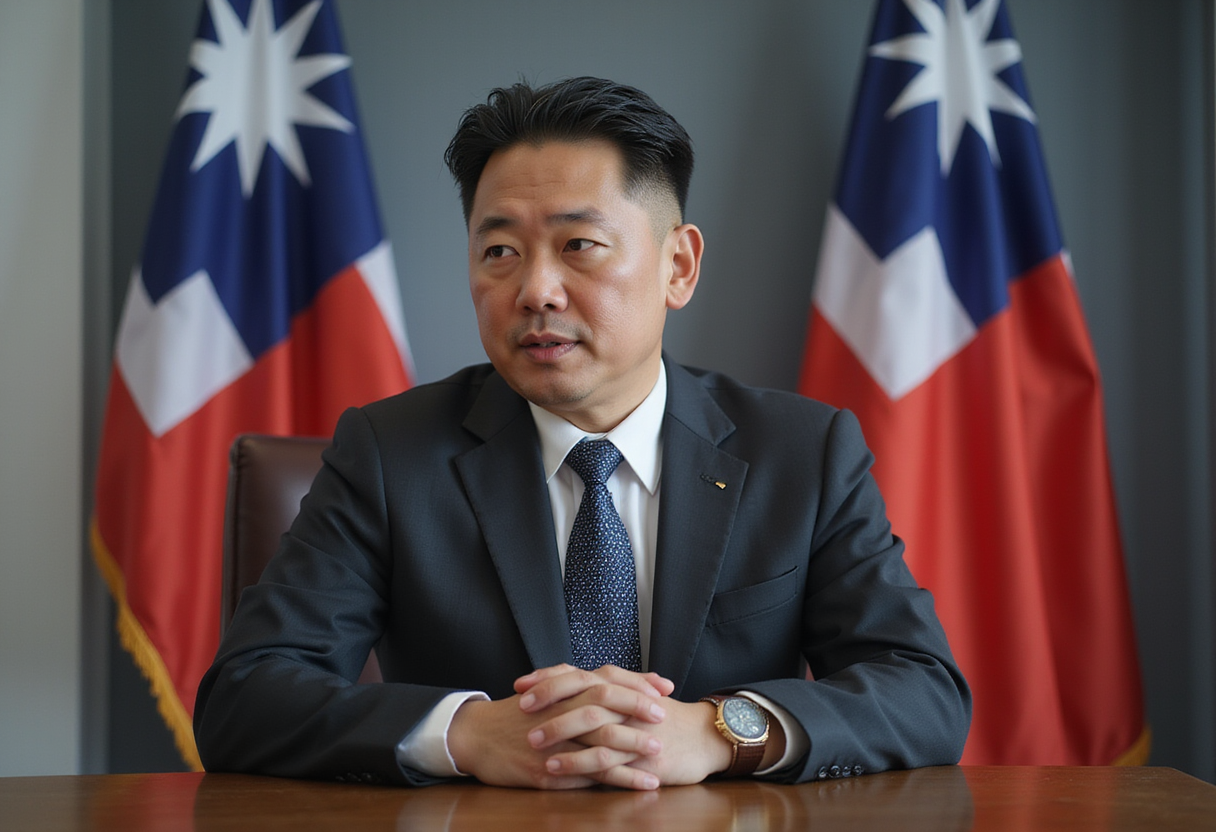
Taiwan's president has publicly called on Micron to negotiate with workers. A strike threat is building at the US memory chipmaker's Taiwan operations.
The intervention places national political weight on what would be a rare labor dispute at a major US chipmaker on the island. It also tests the new government's stance toward disputes between foreign investors and organized labor in the semiconductor sector.
Why did the president step in?
Presidential involvement signals that the government views the dispute as strategically significant. Taiwan's labor authorities already operate a formal mediation track. The president's voice raises the political cost of any prolonged stoppage for both sides, and that pressure can shorten a deadlock or harden it depending on the response.
The Micron site in question sits inside a cluster of advanced memory fabs in northern Taiwan. The facility ranks among the company's most important production nodes outside its US headquarters in Boise, Idaho. Output from the site feeds global supply chains for personal computers, smartphones, and data center hardware.
How would a stoppage hit chip supply?
A work stoppage would cut production of dynamic random-access memory, the working memory used in nearly every computing device. Industry buyers have reported tight DRAM allocation through the past two quarters. Any extended outage would extend that squeeze and force another round of contract price increases through the second half of the year.
The dispute also raises labor risk at other Taiwan-based chipmakers. The island hosts the world's most concentrated base of advanced semiconductor manufacturing. A resolved dispute at Micron would set a benchmark for wages and conditions across the sector, while a messy one would invite copycat actions at peer fabs operating under similar cost pressures.
What does this change for buyers?
Procurement teams should expect continued upward pressure on memory contract prices through the resolution period. Allocation of DRAM shipments will likely tilt toward customers with the strongest long-term supply agreements. Spot buyers will feel the squeeze first and hardest.
The dispute will draw fresh attention to labor clauses in supply contracts. Buyers negotiating 2026 memory allocations should ask suppliers for explicit labor-disruption contingency language and for visibility into inventory buffers at Taiwan sites. They should also revisit safety stock policies that grew thin through the recent market recovery.
What to watch next
- Whether Micron and the local union reach a mediated settlement before any walkout begins.
- The duration of any stoppage, since memory fabs restart slowly after extended idle periods.
- Whether other Taiwan-based memory or logic makers face parallel labor actions in the same window.
- Any statement from Micron's Boise headquarters on the timeline and financial exposure of the dispute.
via Google News: HBM memory (Source)
More from Marcus Bennett
Show full bio
News editor covering regulation, policy and their impact on hardware layer of artificial intelligence at Die Signal.
389 articles
Same lot · LOT-C1CB
- DSG-32667nmTaiwan President Calls on Micron, Workers to Negotiate Before Possible Strike
- DSG-966465nmMicron Taoyuan Workers May Cast Taiwan Chip Industry's First Strike Vote
- DSG-799410nmHundreds of AI Chip Workers Strike in Taiwan, Report Says
- DSG-471728nmMicron Taiwan Union Authorizes Strike Over Bonus Dispute
- DSG-782745nmTaiwan Weighs Curbs on AI Chip Exports to China to Align With US