Test report · tested November 22, 2026
Memory & StorageDevice under test
SoftBank Explored $1 Trillion SK Hynix Buyout, Then Dropped It
SoftBank's Masayoshi Son sounded out Wall Street banks on a roughly $1 trillion SK Hynix acquisition, The Information reported. SoftBank calls the idea inactive; SK Hynix denies any knowledge.
- Read
- 3 min
- Words
- 608
- Segment
- Memory & Storage
- Operator
- Grace Kim
Spec summary
- The Information reported SoftBank's Son explored financing for a possible SK Hynix acquisition valued at roughly $1 trillion.
- SoftBank said the idea is 'no longer under active consideration.'
- SK Hynix said it had no knowledge of the matter and that a foreign acquisition requires prior South Korean government approval.
- No formal bid, financing commitment or feasibility evidence has been reported.
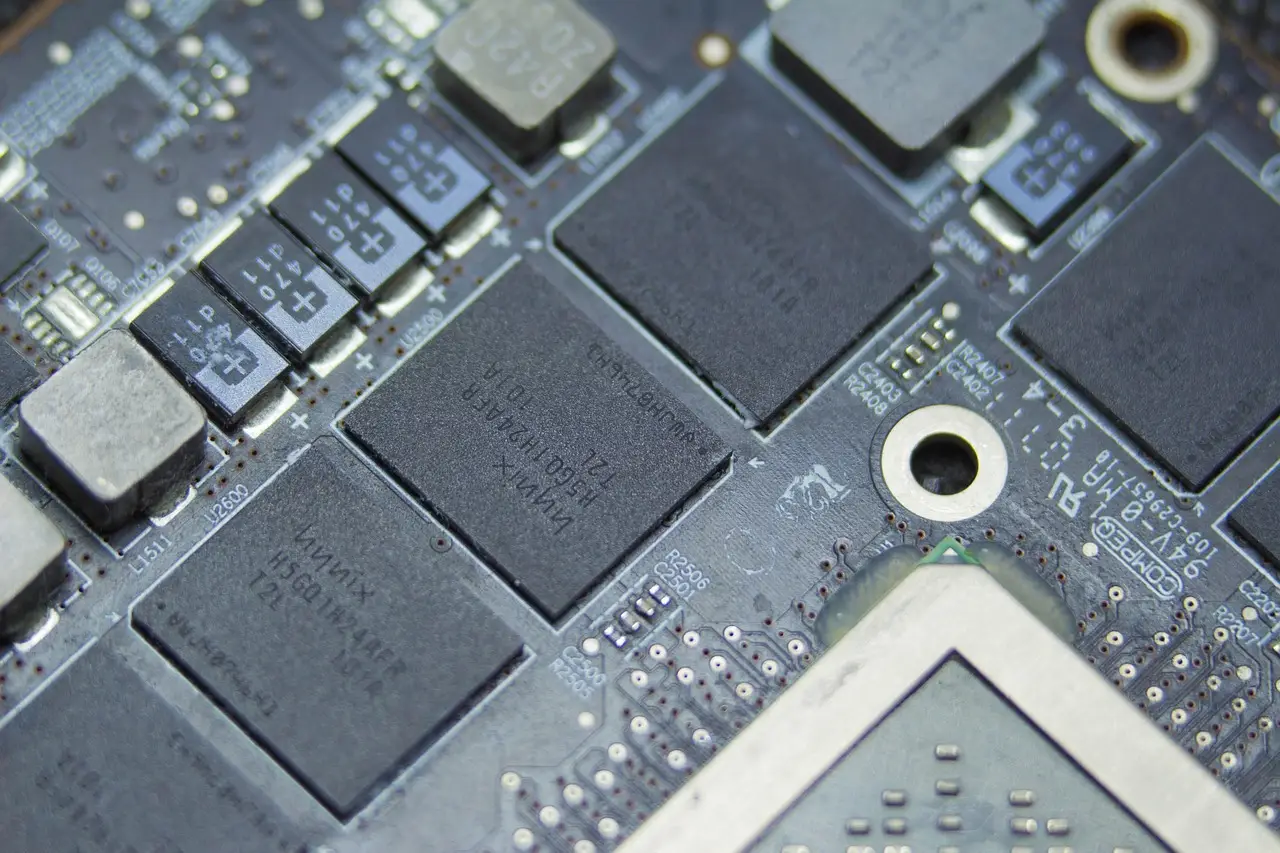
SoftBank Group CEO Masayoshi Son approached Wall Street financial institutions about financing a possible acquisition of SK Hynix valued at roughly $1 trillion, The Information reported, citing people familiar with the matter. SoftBank says the idea is dead. SK Hynix says it never heard about it.
That's the whole confirmed story. No bid was made. No bank has been named as a backer. Nobody has claimed the deal was feasible. The report still matters, because it shows how valuable memory capacity has become to the people building AI infrastructure.
What's confirmed and what isn't?
The confirmed column is thin. A SoftBank spokesperson said: "SoftBank explores many opportunities, and this one is no longer under active consideration." Read closely, that sentence doesn't deny the exploration happened. It frames it as routine and puts it in the past tense. SK Hynix gave a different answer, saying it had no knowledge of the matter — which rules out the company having been at any negotiating table.
The unconfirmed list is longer:
- No formal bid or takeover offer has been reported.
- No Wall Street institution agreed to provide financing.
- No evidence exists on whether the deal was feasible or advanced.
SK Hynix also confirmed one regulatory fact: a foreign acquisition of the company would require prior government approval under South Korean law. Seoul sits in the approval chain before any deal could close, and a government whose chip exports just drove it past $1 trillion in total exports — with semiconductor shipments up 193% — has strong reasons to scrutinize any foreign move on a flagship supplier.
Why does a $1 trillion figure draw this much attention?
A trillion dollars bends the conversation by itself. But the reported number is a possible transaction value — maybe a market-cap calculation plus a premium, maybe a banker's back-of-envelope pitch. It's not evidence anyone would pay it.
The financing arithmetic is the strongest caution flag. The largest AI hardware debt package to date, the $44 billion SpaceX GPU financing led by Apollo and Goldman Sachs, would be dwarfed roughly twenty times over by this deal. Any serious attempt would have needed equity, debt, and asset sales in a combination no reporting describes.
Why is memory the prize?
The reason anyone would float this idea is that memory has moved from commodity to chokepoint. High-bandwidth memory (HBM, the stacked DRAM that sits next to AI processors) took 23% of DRAM wafers and is nearing 30% by 2027, according to TrendForce. Every wafer that goes to HBM doesn't go into ordinary PC and phone memory.
The squeeze is already visible. PC RAM contract prices are set to rise 13–18% in Q4, while NAND flash has fallen 20% — a split showing the shortage concentrates in AI-favored memory. India's smartphone shipments dropped 20% in Q3, with memory costs cited. Nvidia's $115.8 billion quarter, with guidance of $126–134 billion, keeps memory order books full and supplier pricing power intact. Valve's next Steam Deck handheld is waiting on a chip.
What does this change for buyers?
Directly, nothing. A deal never formally offered can't move contract prices. Indirectly, it confirms the trend: memory supply is tight and AI demand takes priority. Watch the Q4 contract price outlook, not takeover chatter.
Three scenarios bear watching: a quiet fade; a partial revival as a smaller stake or supply partnership; or South Korean officials commenting publicly on foreign interest in domestic chipmakers, which would raise the political temperature. A near-term transaction looks unlikely — but scarce memory capacity is now clearly a strategic asset worth a trillion-dollar conversation.
via shattered.io (Source)
More from Grace Kim
Show full bio
Market editor covering regulation, policy and their impact on hardware layer of artificial intelligence at Die Signal.
749 articles
Same lot
- SoftBank's Son Floated $1 Trillion Bid for SK hynix, Then Dropped It
- SoftBank Floated $1 Trillion SK hynix Takeover, Then Walked Away
- SoftBank’s $3.7 Billion Turbine Write-Off Tests Musk’s Default Claim
- Nvidia's $500 Billion AI Financing Plan Wobbles After Huang Exit
- SpaceX Lenders Seek Orbit Ban on $43 Billion AI Chip Collateral