Test report DSG-4500 · Rev E · tested November 17, 2026
AI Datacenter InfrastructureDevice under test
Siemens Energy Targets 20-22% Margin by 2030 on Data-Centre Demand
Siemens Energy guides to a 20-22% margin by fiscal 2030, up from 12.4%, on €15bn of data-centre orders in a €164bn backlog — plus a dividend set to more than triple.
- Read
- 4 min
- Words
- 764
- Node
- 7nm
- Operator
- Elena Vasquez
Spec summary
- Fiscal 2026 profit margin before special items was 12.4%; targets are 14-16% for 2027 and 20-22% for 2030.
- Data-centre-related orders total about €15 billion, 9.1% of a €164 billion backlog.
- Announced November 11, 2026 after a record fiscal year; dividend to more than triple.
- Fiscal 2026 orders of €14.8 billion, up 5.2% comparable.
- Rebrand to 'Omterra' reported but unconfirmed.
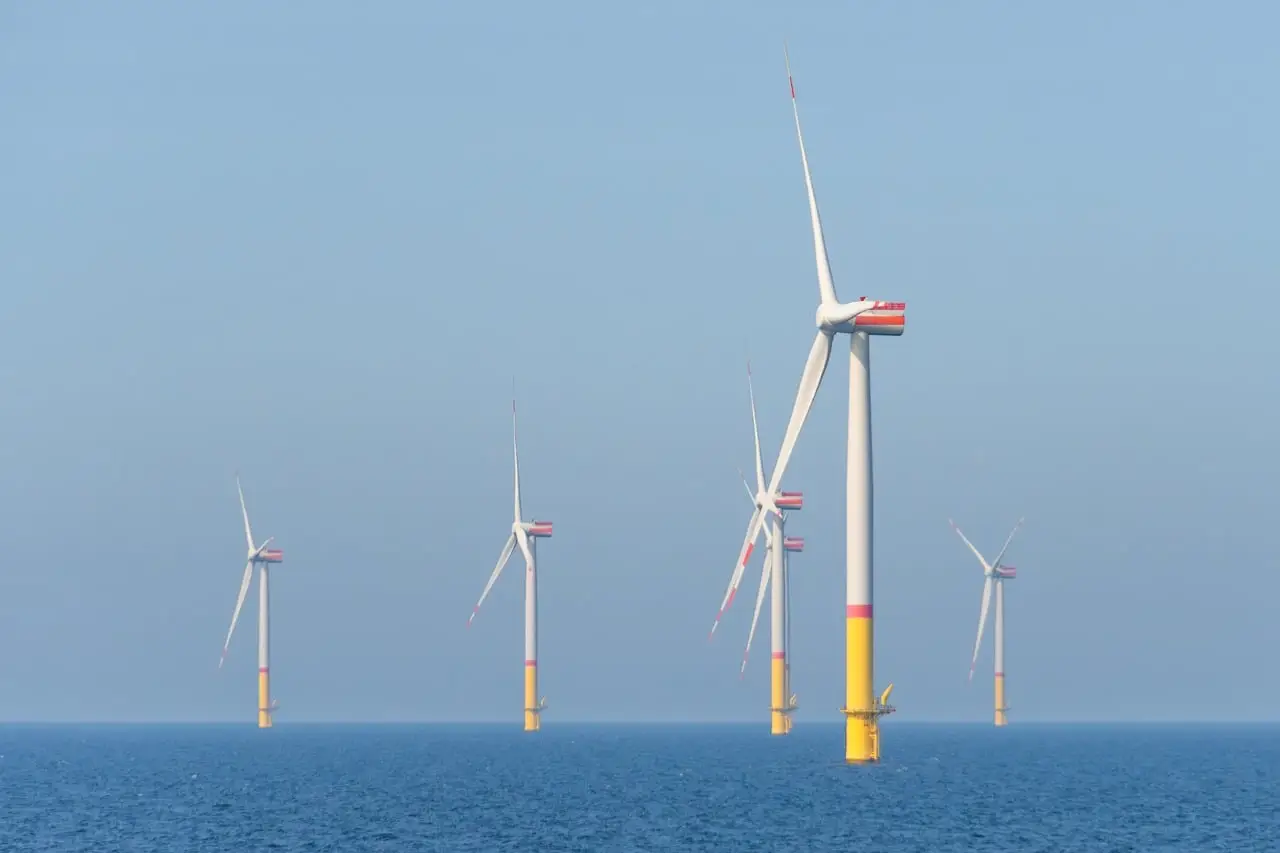
Siemens Energy wants a profit margin before special items of 20% to 22% by fiscal 2030, up from 12.4% in fiscal 2026. The company laid out the targets on November 11, 2026, closing a record fiscal year and publishing guidance for fiscal 2027 and 2030, according to Reuters. The driver: a U.S. data-centre construction boom that keeps pulling in orders for gas turbines and grid equipment.
The short-term step is 14% to 16% for fiscal 2027, alongside comparable revenue growth of 14% to 16%. For fiscal 2030, the revenue target is comparable annual growth of 12% to 14%. Fiscal 2026 orders came in at €14.8 billion, up 5.2% on a comparable basis. The company also plans to more than triple its dividend.
How big is the data-centre business in the backlog?
Reuters put data-centre-related orders for gas turbines and grid equipment at roughly €15 billion — 9.1% of a €164 billion order backlog. Run the arithmetic and it checks out: 9.1% of €164 billion is about €14.9 billion. That leaves roughly €149 billion of the book outside the data-centre bucket.
Nine percent sounds modest. It isn't. The backlog is enormous in absolute terms, so a minority slice is still a sizeable business — and it's the slice that didn't exist at this scale a few years ago.
What the reports don't say matters too. There's no split between turbines and grid equipment, no breakdown of firm versus framework agreements, and no customer mix. A backlog concentrated in a handful of hyperscalers behaves very differently from one spread across hundreds of utilities.
What does the margin ladder mean in practice?
From 12.4% this year to 14-16% next year, management expects to add between 1.6 and 3.6 percentage points in twelve months. That spread itself tells you something: the company sees real uncertainty in how fast pricing and factory output convert into earnings. The fiscal 2030 range sits 7.6 to 9.6 points above fiscal 2026.
Pair the targets and the profit story sharpens. Revenue growing at low-to-mid teens while margin climbs toward the low 20s implies profit growing much faster than sales — which explains the confidence behind a bigger payout.
One caution: growth targets are on a comparable basis, adjusting for portfolio changes and currency. Investors comparing against reported, unadjusted revenue will see a different picture.
Why turbines and grid equipment?
A new campus needs generation — on site or nearby — plus transformers, switchgear and transmission to move the power. Heavy-duty gas turbines come from a small group of manufacturers with long qualification cycles; a new entrant can't ship utility-grade units in two years. That concentration helps explain why backlog and margins can rise together. Grid gear is the quieter half: utilities and data-centre developers are competing for the same transformers, and suppliers with spare capacity are few.
What's still open?
Two items from the coverage remain unresolved:
- The dividend. "More than triple" gives you the floor of the change, not the destination. No per-share amount, payment date or exact percentage was confirmed, and proposals typically need shareholder approval at an annual meeting.
- The name. One report said Siemens Energy "will soon" operate as Omterra, but nothing confirms an official rebrand, a date, or a legal name change. Christian Bruch remains President and CEO.
What could break the demand story?
Several forces could slow the order flow, and none of them are technological:
- Local opposition to new campuses in several U.S. jurisdictions — a project that never gets zoned never buys a turbine.
- State policy moves, including Texas moratorium proposals affecting 13 GW of planned AI projects.
- Grid limits abroad, such as Norway's pause on new data-centre connections covering 4,200 MW.
- Customer concentration: a few large buyers pulling back would hit the data-centre slice disproportionately.
What should practitioners take from this?
For investors, the question is durability — targets this far out carry execution risk, and the reports gave no stock price reaction. For customers, the message is less comfortable: a supplier guiding to higher margins expects buyers to accept higher prices or tougher terms. Developers without secured turbine slots should assume the queue stays long and leverage stays with the vendor.
For cloud and AI operators, discount capacity announcements for delivery risk. A campus is only as real as the turbine, transformer and interconnect that will feed it — and Siemens Energy is betting €164 billion of backlog that the bottleneck lasts through 2030.
via shattered.io (Source)
More from Elena Vasquez
Show full bio
Senior reporter covering people, launches and day-to-day practice in hardware layer of artificial intelligence at Die Signal.
675 articles
Same lot · LOT-362D
- DSG-28413nmGE Vernova backlog hits $197bn as data centers drive turbine demand
- DSG-255245nmOVHcloud has 110MW of unused data center capacity, CEO Klaba says
- DSG-98143nmSiemens Energy doubles profit as Gamesa returns to profit
- DSG-339428nmCoreWeave Q3 Revenue Hits $3.66B, Up 168%, Backlog at $132.5B
- DSG-911720nmAI Data-Center Spending Shrinks as Compute Stays Sold Out