Test report DSG-8229 · Rev F · tested October 30, 2026
Processors & AcceleratorsDevice under test
Short-Seller Claims Cerebras Wafers Fail in Under 2.3 Years
Culper Research says Cerebras wafer-scale chips last 1.4-2.3 years, not 3-5, drawing 70-80% of peak power while idle. Stock fell 5.66%.
- Read
- 3 min
- Words
- 565
- Node
- 14nm
- Operator
- Elena Vasquez
Spec summary
- Culper Research claims Cerebras wafers last 1.4 to 2.3 years, versus 3-5 years in draft IPO filings.
- CS-2 draws 70% and CS-3 draws 80% of peak power while idle, according to the report.
- Cerebras stock fell 5.66% yesterday and dropped 2.27% more in pre-market trading.
- Culper says the 'new' connector material is a 40-year-old product from Paricon Technologies.
- AMD took a $76 million write-down and shuttered Feldman's previous company, SeaMicro.
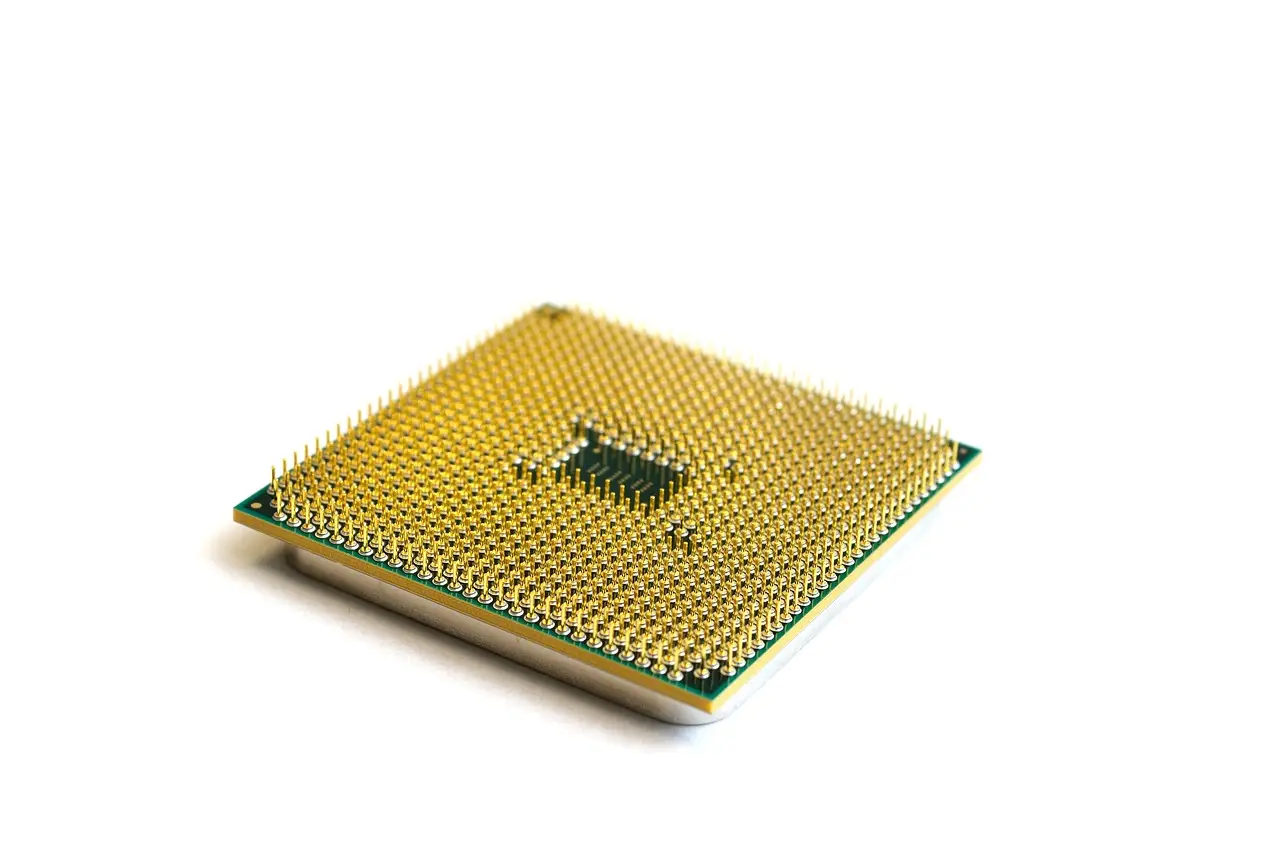
Cerebras' wafer-scale chips last just 1.4 to 2.3 years in the field, according to short-seller Culper Research — far short of the three-to-five-year lifespan the company put in its draft IPO filings.
Culper disclosed a short position on the chipmaker in a post on X and published a full report yesterday. The firm's verdict was blunt: this lifespan "undermines the entire business."
For practitioners, the claim cuts at the core of what Cerebras sells. A big part of the company's official messaging is that it solved long-term problems in wafer-scale chip design. CEO Andrew Feldman has repeatedly said the company cracked a "75-year-old" problem, and a 2019 Medium post from Cerebras claimed it had invented "a new material and designed a connector from it" to fix thermal expansion.
What does Culper actually allege?
The research firm says that "new" material isn't new at all. Culper claims it's a 40-year-old product from Paricon Technologies, and that a former Cerebras employee confirmed the connector material came from an outside vendor.
"We don't think Cerebras ever solved thermal expansion at the hardware level," Culper said.
Instead, the firm alleges, Cerebras programs its wafers with a "jerry-rigged 'fix'" that constantly runs dummy operations on the chip. The power draw numbers are the part operators should sit up for: the CS-2 sits at 70 percent of peak power while idle, and the CS-3 at 80 percent of peak while idle. Constant near-peak draw, Culper argues, is what shortens the chip's life.
To back the lifespan claim, Culper published customer statements saying their systems failed sooner than expected.
Why the founders' track record matters here
Culper didn't stop at hardware. "Cerebras' pitch largely rests on the claim that CEO Feldman and his co-founders solved what the semiconductor industry could not solve for over 75 years. Their track record does not inspire confidence," the firm wrote on X.
The argument: nearly all of Cerebras' co-founders and patent holders, plus many key employees, came from Feldman's previous company, SeaMicro. AMD acquired SeaMicro in 2021, but within three years Feldman had left, while AMD took a $76 million write-down and shut the business down.
How has the market reacted?
The market's first read was negative. Cerebras stock dropped 5.66 percent yesterday after the report landed, and it's down another 2.27 percent in pre-market trading today.
DCD has reached out to Cerebras for comment. The company hasn't yet publicly responded to the specific allegations about the Paricon material, the idle-power workaround, or the lifespan figures.
What this means if you run Cerebras gear
If Culper's numbers hold up, the practical math changes considerably. A chip that dies at 1.4 years instead of the low end of the claimed three-to-five-year window means replacing hardware roughly twice as often as budgeted — a straight doubling of amortization cost per system, before you factor in the idle-power overhead Culper describes.
For now, these are allegations from a firm with a disclosed financial interest in the stock falling. But the customer statements Culper published, and the named vendor behind the connector material, give the claims enough specificity that buyers and investors will want Cerebras' side of the story — and fast.
via x.com (Original)
More from Elena Vasquez
Show full bio
Senior reporter covering people, launches and day-to-day practice in hardware layer of artificial intelligence at Die Signal.
498 articles
Same lot · LOT-C204
- DSG-342820nmAI Chips Have a Bending Problem. A Taiwanese Oven Maker Is Selling the Fix.
- DSG-71947nmCerebras stock slides on report Nvidia powers OpenAI 'Ultrafast'
- DSG-131114nmGeneral Compute Signs Multi-Year Deal to Host Cerebras Wafer-Scale AI
- DSG-30425nmTerafab Exposes Tesla's Growing Tensions With Samsung and TSMC
- DSG-996820nmCScale Raises $145 Million to Push Optics Onto AI Chip Packages