Test report DSG-2769 · Rev F · tested November 12, 2026
Supply Chain & PolicyDevice under test
Seven charged over attempted Samsung display technology leak to China
Seoul prosecutors indicted four supplier employees, three other individuals and the supplier over alleged eighth-generation LCD process-data theft and unauthorized factory-automation code use.
- Read
- 3 min
- Words
- 696
- Node
- 14nm
- Operator
- Amara Osei
Spec summary
- Nov. 11: Seoul prosecutors indicted four Company A employees, three other individuals and the supplier.
- Three log-file compressions occurred between September and December 2020; the logs contained temperature, pressure and gas-flow data.
- Company A sold the program’s copyright and assets for 7.4 billion won in November 2011; its resale contract ended in May 2019.
- Thirty-three overseas projects worth 32.1 billion won and 10 domestic projects worth 4.8 billion won put the combined value at 36.9 billion won.
- Separate copying allegations cover 33 projects worth 15.7 billion won between August 2017 and June 2022.
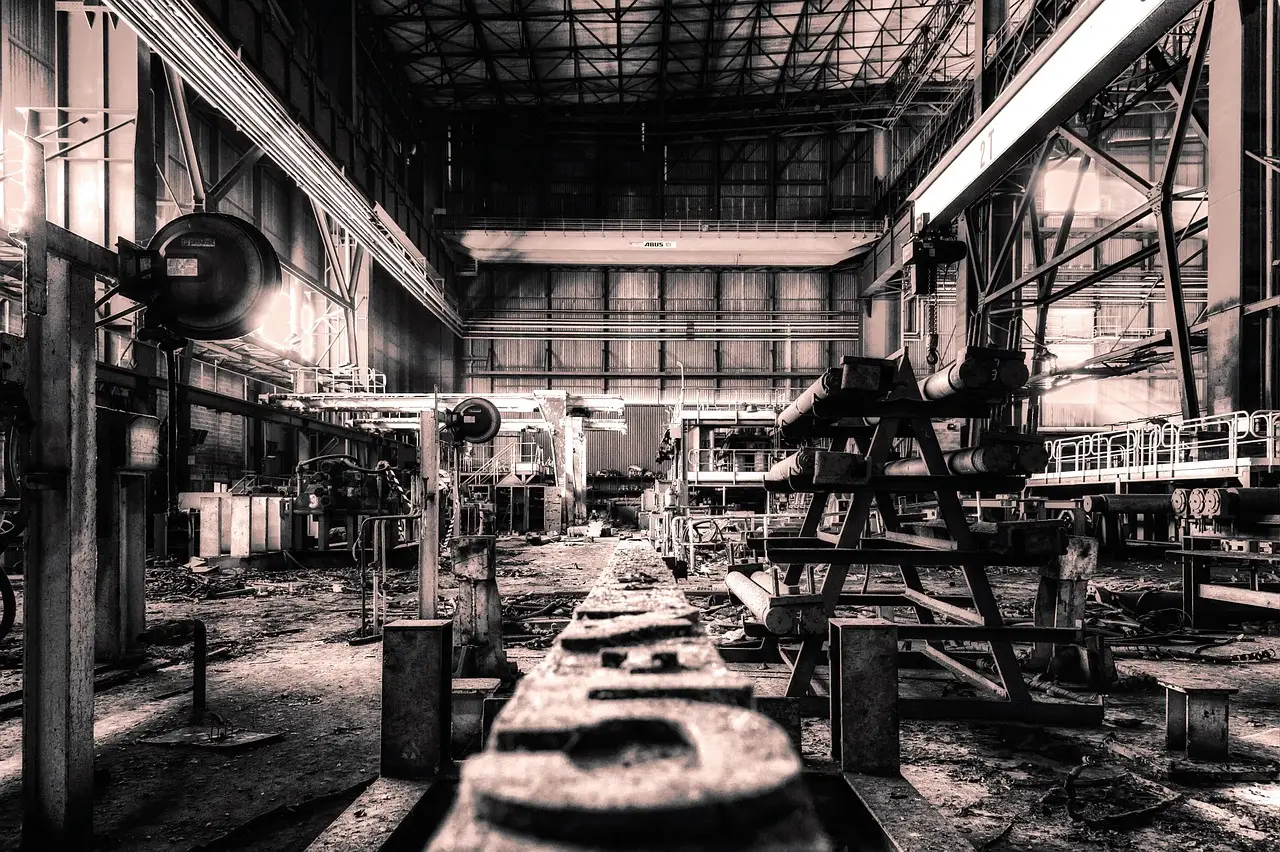
Seven people and one supplier were indicted on Nov. 11 over an alleged attempt to transfer Samsung Display process technology to China and use Samsung SDS factory-automation source code without permission.
The Seoul Eastern District Prosecution Office’s No. 1 Serious Crime Prosecution Division, led by senior prosecutor Lee Han-ul, indicted four employees of supplier Company A without detention. Prosecutors said the executive director and three other employees illegally obtained process technology for eighth-generation liquid crystal display panels.
Three other individuals, including Company A’s former chief executive, and the company itself were indicted on charges involving unauthorized Samsung SDS code or its transfer to a Chinese firm. Company A develops, installs and maintains factory-automation solutions for display and semiconductor manufacturers.
How did the alleged process-data transfer work?
Company A was responsible for on-site inspections that assessed the condition of equipment slated for sale at Samsung Display’s production facility in Asan, South Chungcheong Province. Prosecutors said four employees compressed log files stored on that equipment on three occasions between September and December 2020. They hid the files in locations that standard deletion would not erase, including Windows system folders.
The employees intended to remove the files with the equipment and use them to relocate and modify machinery and build factory-automation systems for a Chinese display maker. The logs contained conditions needed to produce LCD panels: temperature, pressure and gas-flow rates. Prosecutors classified that data as core national technology and a trade secret for manufacturing and processing eighth-generation panels.
Samsung Display deleted the relevant data and took steps to prevent recovery before selling the equipment, but the hidden files survived those measures. The attempt failed when an on-site inspection detected the files. Prosecutors charged the employees under the Industrial Technology Protection Act and the Unfair Competition Prevention Act.
The alleged transfer exploited process files embedded in production machinery scheduled for resale.
What did the Samsung SDS code case cover?
Investigators also confirmed unauthorized use of source code from a factory-automation program owned by Samsung SDS. Company A sold the program’s copyright and related assets to Samsung SDS for 7.4 billion won in November 2011, then used the program under a resale contract. Investigators found continued source-code use after that contract ended in May 2019.
Prosecutors accused the former chief executive and a vice president of developing, in June 2019, a product a Chinese firm could operate on its own using the Samsung SDS source code. They also accused the pair of delivering source code containing trade secrets to that firm.
Through March this year, they carried out 33 factory-automation projects worth about 32.1 billion won for overseas companies, including Chinese display makers, using the code without permission and infringing Samsung SDS’s copyright.
In South Korea, they used the code without authorization across 10 projects worth about 4.8 billion won from April 2020 through December 2023. The combined value of the overseas and domestic projects reached 36.9 billion won.
Separately, prosecutors accused them of copying and modifying the Samsung SDS program without permission in 33 domestic and foreign projects worth about 15.7 billion won between August 2017 and June 2022.
The code case covers 36.9 billion won in projects and separate allegations tied to 15.7 billion won.
How did the investigation reach trial?
The Seoul Metropolitan Police Agency referred the case to prosecutors in stages between July and November 2023. After about three years of supplementary investigation, prosecutors searched Company A’s offices, questioned suspects and witnesses and brought the case to trial.
Prosecutors said manufacturers must thoroughly protect manufacturing and operating information left on production equipment when selling that equipment. If competitors obtain the information, they can reduce the time and cost of building production lines and erode the competitiveness of companies holding the underlying technology.
A prosecution official said: “We will respond firmly to high-tech crimes that threaten the technological competitiveness of our companies, including the infringement and leaking of core national technology and trade secrets.”
The prosecution links failures in equipment-data protection and software licensing to alleged high-tech infringement.
via en.sedaily.com (Source)
More from Amara Osei
Show full bio
Staff writer covering money, funding and market shifts around hardware layer of artificial intelligence at Die Signal.
593 articles
Same lot · LOT-3628
- DSG-854128nmSamsung Veteran Indicted for Transcribing 66 Pages of EUV Secrets
- DSG-533614nmU.S. Prosecutors Probe Firms Linked to Alice Huang Over Supermicro Exports
- DSG-414028nmContractor For Super Micro Computer Pleads Guilty In AI Chip Export Case
- DSG-225310nmU.S. Prosecutors Probe Alice Huang Over $2.5 Billion Chip Smuggling Case
- DSG-579310nmDOJ Arrests CEO Over $300M Smuggling of Nvidia AI Servers to China