Test report DSG-5437 · Rev F · tested November 13, 2026
Supply Chain & PolicyDevice under test
Senate Summons Ex-Nvidia CEO Huang and Commerce Secretary Lutnick
The Senate Banking Committee has summoned Jensen Huang and Commerce Secretary Lutnick over the Nvidia espionage affair, with subpoenas threatened and export controls gaining speed.
- Read
- 4 min
- Words
- 707
- Node
- 28nm
- Operator
- Marcus Bennett
Spec summary
- Senate Banking Committee summoned Jensen Huang and Commerce Secretary Howard Lutnick; subpoena threatened if Huang declines.
- House committees ordered Huang and Nvidia general counsel Tim Teter to closed hearings on December 1–2.
- Huang resigned as Nvidia CEO after admitting the affair on November 8.
- At least four chip export bills gained momentum since Monday; Republicans want curbs tied to the defense budget.
- Lutnick is accused of keeping dozens of Chinese firms off a key blacklist and weak oversight of Nvidia China exports.
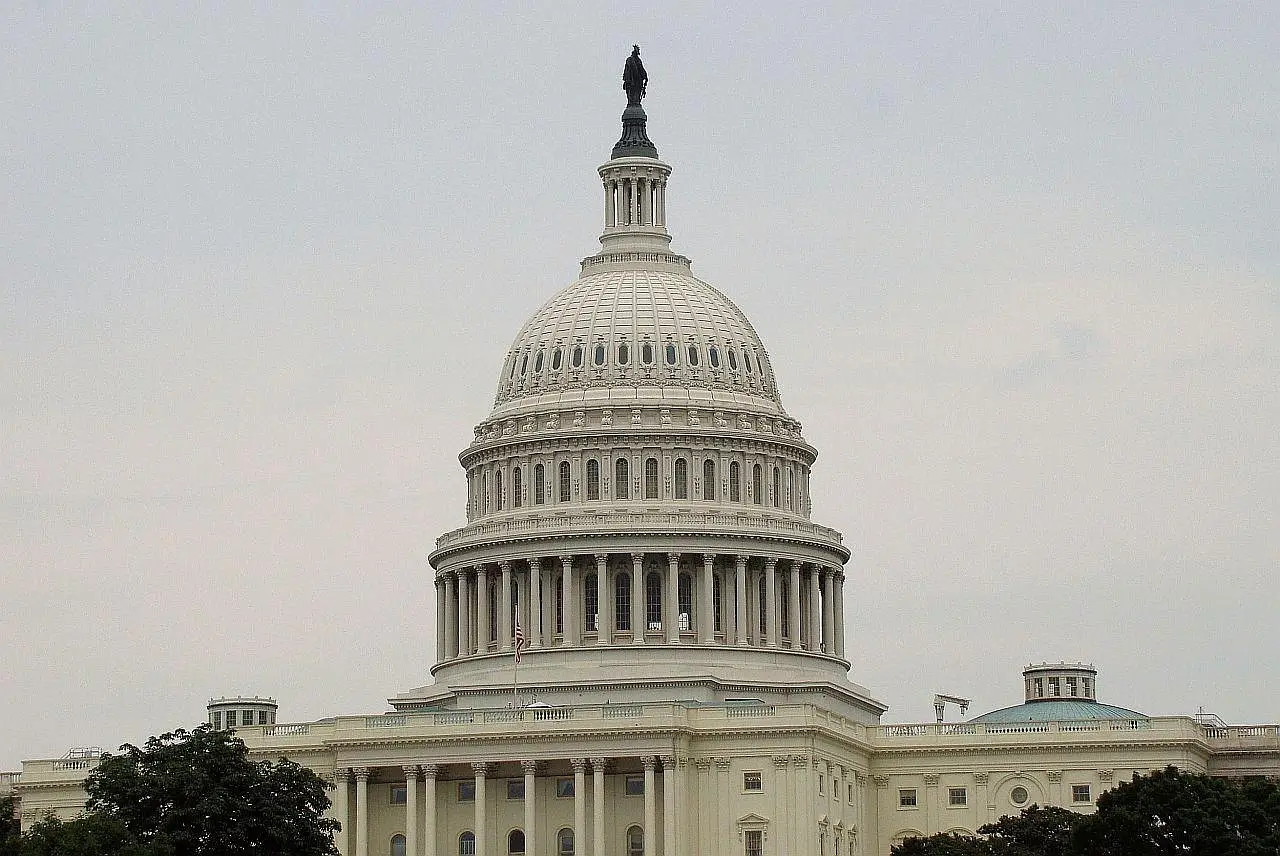
By Marcus Bennett
The US Senate Banking Committee has summoned former Nvidia chief executive Jensen Huang and Commerce Secretary Howard Lutnick to testify in the espionage scandal surrounding the chipmaker. Committee Chairman Tim Scott threatened Huang with a subpoena if he does not appear voluntarily. The summons reaches Lutnick at a moment when, according to insiders, senior officials in the White House are debating whether to push him to resign.
Scott laid out his reasoning publicly. "Jüngste Berichte wecken ernsthafte Bedenken hinsichtlich unserer nationalen Sicherheit und des Schutzes sensibler US-Technologie," the senator wrote on X — recent reports raise serious concerns about national security and the protection of sensitive US technology.
What does this change for Nvidia and Washington?
The parallel pressure from both chambers is unusually broad. The chairs of three House committees have ordered Huang and Nvidia chief legal officer Tim Teter to appear at closed-door hearings on December 1 and 2. Subpoenas are the stated alternative if they refuse. The House is also working to secure Huang's testimony before November 26.
The timeline is tight and concrete:
- November 8: Huang admitted the affair with the Chinese businesswoman Alice Huang.
- This week: Huang resigned as chief executive after the relationship became public.
- November 26: House deadline for a Huang statement.
- December 1–2: Scheduled closed House hearings with Huang and Teter.
US authorities suspect Alice Huang spied for the Chinese government. She worked as an executive at Megaspeed, an Nvidia partner company that, in the US government's assessment, helped China procure AI chips. Beijing rejects the espionage allegations.
What is Trump's position?
President Donald Trump has entered the debate directly. According to a New York Times report, he called Huang on Tuesday and urged him to fight for his job. In a podcast interview, Trump conditioned his stance on the outcome of the investigations.
His words: "Die große Frage ist, war die Frau eine Spionin? Und ich weiß nicht, ob das schon geklärt ist. Aber wenn die Frau eine Spionin war, ja. Wenn die Frau keine Spionin war, sähe es vielleicht anders aus." In plain terms: if the woman was a spy, yes; if not, the situation might look different.
Attorney General Todd Blanche confirmed the FBI is reviewing the reports. The Justice Department has not yet concluded whether Alice Huang actually spied for Beijing.
Why is Lutnick under pressure?
The commerce secretary faces specific accusations, not general criticism. He is accused of failing to place dozens of Chinese companies on a key commerce blacklist and of insufficiently monitoring Nvidia's exports to China. The Senate summons therefore lands on a minister whose own cabinet colleagues are, according to insiders, discussing his removal.
The mechanism matters here. The Commerce Department controls the entity list and export licensing, so any lapse in enforcement feeds directly into the question of how Nvidia chips reached Chinese buyers. That is the connection the Senate Banking Committee wants to probe.
Are export controls now tightening?
Yes, and with bipartisan momentum. House Speaker Mike Johnson said chip export controls to China are currently a major topic in Congress and that he favors restricting the People's Republic's access. Republicans aim to attach new AI chip export restrictions to the annual defense budget.
At least four legislative bills on chip exports have gained momentum since Monday. Chinese AI companies, worried about coming restrictions, are trying to rent foreign computing capacity equipped with Nvidia chips. The scandal has converted what was a policy debate into a legislative push with a budget vehicle attached.
What else has emerged about Huang?
The relationship with the suspected spy was not the only extramarital affair, according to insiders. Huang is also reported to have had an intimate relationship with a top Nvidia executive. Further reports describe an affair with another company employee.
For Nvidia, the immediate question is governance. The chief legal officer now faces congressional questioning alongside the departed founder, and the company's China export practices sit at the center of a federal review it does not control. For the chip industry at large, the episode accelerates the export-control agenda that Congress was already drafting — four bills and a defense-budget maneuver now have a scandal pushing them forward.
via n-tv.de/rss (Source)
More from Marcus Bennett
Show full bio
News editor covering regulation, policy and their impact on hardware layer of artificial intelligence at Die Signal.
591 articles
Same lot · LOT-3629
- DSG-749714nmNvidia faces Senate scrutiny over China chip export policy
- DSG-11077nmJensen Huang Agrees to Senate Testimony After Nvidia Exit
- DSG-529720nmNVIDIA Faces CEO Pressure Ahead of $108 Billion Earnings Call
- DSG-880910nmLutnick to Testify Dec. 10 on Nvidia China Chip Sales
- DSG-444620nmSenate summons Lutnick and Huang over Nvidia chip leak questions