Test report DSG-6208 · Rev A · tested November 16, 2026
Memory & StorageDevice under test
SanDisk Falls 7% as AI Selloff Spreads Into Memory Stocks
SanDisk fell 7% to $826.99 on November 16 as AI chip selling spread to memory stocks, despite Evercore's $2,500 target and Q1 revenue of $11.03 billion, up 377.9%.
- Read
- 4 min
- Words
- 700
- Node
- 3nm
- Operator
- Amara Osei
Spec summary
- SanDisk fell 7% to $826.99 on November 16, extending a 41% one-month drop while remaining up 248% year to date.
- Evercore ISI's Amit Daryanani kept an Outperform rating and $2,500 pre-split price target on November 16.
- Q1 FY2027 revenue reached $11.03 billion, up 377.9% year over year; Q2 guided to $12.2–$12.6 billion.
- Micron, Western Digital and Seagate each fell 6% in the same session.
- SanDisk's 8-for-1 stock split distributes November 19; split-adjusted trading begins November 20.
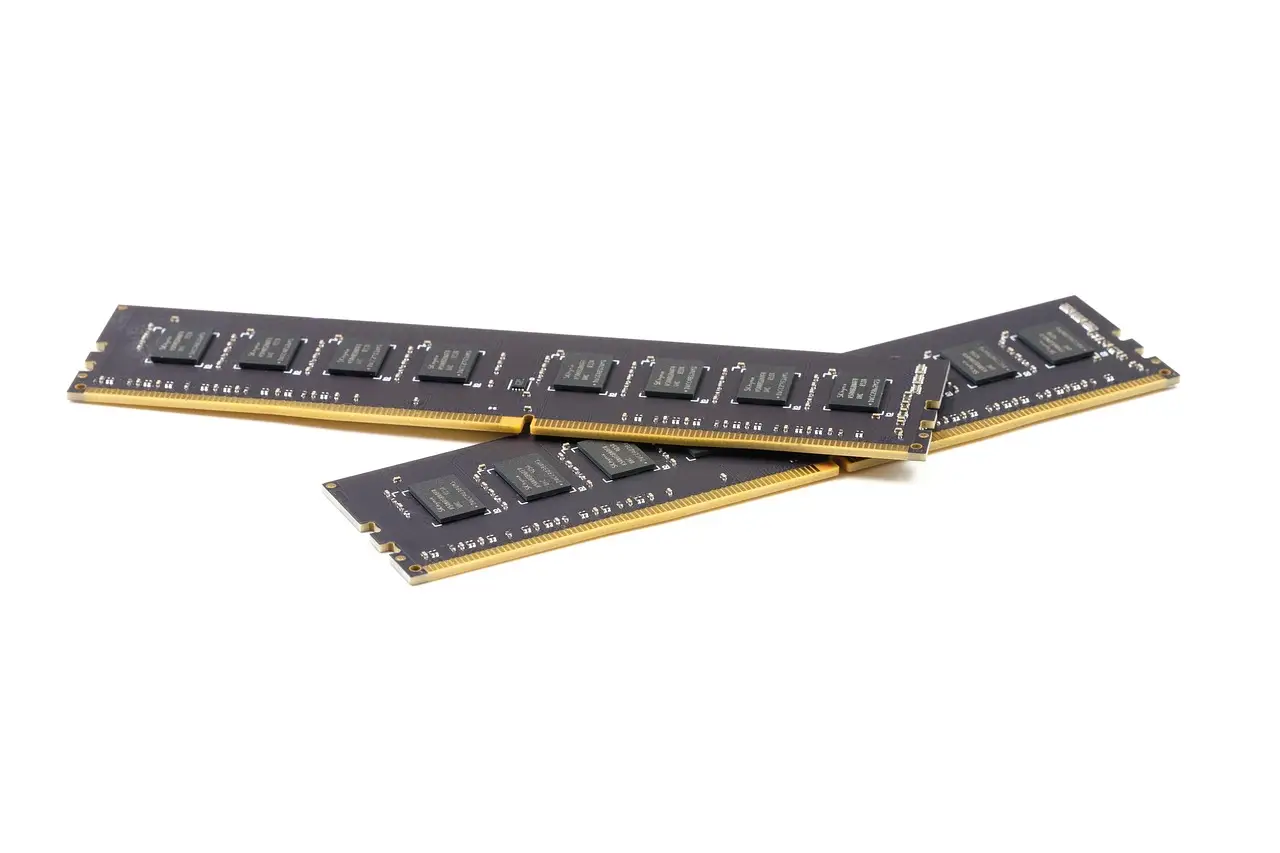
SanDisk (NASDAQ: SNDK) fell 7% to $826.99 in morning trading on November 16 as a broad retreat from AI chip stocks spread into memory and storage names. The decline extends a 41% drop over the past month — yet the stock remains up 248% year to date, a measure of how far the run went before the reversal.
The selloff lands days before SanDisk's 8-for-1 stock split. Shares are set for distribution on November 19, with split-adjusted trading expected to begin November 20. A split leaves a company's value unchanged and adjusts share count and per-share price, so flash memory pricing matters more to the stock than the mechanics of the split itself.
What did SanDisk's latest results show?
Figures reported on October 29 set a high bar. SanDisk's Q1 FY2027 revenue reached $11.03 billion, up 377.9% year over year. Data center revenue rose 61% sequentially to $4.8 billion. For Q2 FY2027, the company guided revenue to between $12.2 billion and $12.6 billion.
Why is the AI selloff dragging SanDisk lower?
Stock futures slid on November 16 as NVIDIA (NASDAQ: NVDA) led AI stocks lower. Memory and storage names had been bid up on hyperscaler orders and capacity shortages, leaving SanDisk exposed to profit-taking as investors reassess AI and data-center spending.
Two macro factors hang over the market. Reuters reported that the prospect of tighter U.S. curbs on China's access to advanced AI chips looms over the Trump-Xi summit in Shenzhen. Anthropic's planned initial public offering, with its roadshow launched November 10, offers another read on AI demand.
Evercore ISI analyst Amit Daryanani kept his Outperform rating and $2,500 price target on SanDisk on November 16 — a target set before the split. His case rests on multi-year supply agreements with committed demand and price limits that could protect revenue in a downturn, plus strong data-center demand for NAND flash. Daryanani added that gross margins above 80% reduce SanDisk's need to chase market share. The note did not stop the selling.
How do memory peers compare?
- Micron Technology (NASDAQ: MU): $731.04, down 6%. On September 30, Micron reported Q4 FY2026 revenue of $54.23 billion. A U.S. judge has allowed a proposed DRAM price-fixing class action against Micron and its two largest rivals to proceed, though the claims remain allegations.
- Western Digital (NASDAQ: WDC): $279.17, down 6%. The company guided Q2 FY2027 revenue to approximately $5.1 billion.
- Seagate Technology (NASDAQ: STX): $497.66, also down 6%. Both hard drive makers exceeded expectations with results reported in late October.
Measured against those peer declines, SanDisk's 7% drop stands out. The gap fits a stock that ran harder this year and depends on a single memory type.
What sets SanDisk's model apart?
SanDisk is a pure-play NAND flash maker, spun out of Western Digital, selling enterprise solid-state drives for AI infrastructure and memory for phones, PCs and cars. CEO David Goeckeler said: "We believe this is a secular dynamic that is expanding NAND's role across the AI stack." Long-term customer agreements with prepayments and deposits give the company visibility into future demand.
Micron's mix is broader, spanning DRAM, NAND and high-bandwidth memory for AI accelerators, so a swing in flash prices hits it less directly. Western Digital and Seagate make hard disk drives for hyperscaler data centers, with Seagate leaning on its heat-assisted Mozaic platform. SanDisk therefore remains the group's most concentrated play on flash pricing.
Can the bull case outlast the selloff?
SanDisk's next test is whether flash prices and data-center orders hold up while the market questions AI spending. Bulls point to guidance for higher Q2 revenue, long-term supply agreements and Evercore's continued support. Bears question whether margins this high can last and whether AI budgets can keep their pace.
Over the longer term, China's ChangXin Memory Technologies is preparing a research and development line for NAND flash — a potential competitive risk not linked to the current drop.
The next quarterly report will answer part of that question.
via 247wallst.com (Source)
More from Amara Osei
Show full bio
Staff writer covering money, funding and market shifts around hardware layer of artificial intelligence at Die Signal.
698 articles
Same lot · LOT-362C
- DSG-481045nmSandisk: 3.62 Times Forward Earnings After the November Pullback
- DSG-36007nmSandisk, Micron, SK Hynix Fall 3% After NVIDIA CEO Exit
- DSG-445114nmMicron at $760 After 20% Drop: What $1,000 Requires
- DSG-562745nmSanDisk and Micron Drop 4% as GF Securities Cuts NAND Forecast
- DSG-540314nmMicron is the better AI-memory buy after China's DRAM shock