Test report DSG-1974 · Rev C · tested November 15, 2026
Foundries & ManufacturingDevice under test
Samsung to Build SpaceX Starlink Chips in Austin for $1.9 Billion
Samsung will invest $1.9 billion in its Austin, Texas fab to produce the STM32V8 MCU for SpaceX's Starlink satellites, shifting volumes from France to the U.S. by 2030.
- Read
- 2 min
- Words
- 381
- Node
- 7nm
- Operator
- Amara Osei
Spec summary
- Samsung will invest $1.9 billion (about 2.7 trillion won) to expand its Austin, Texas chip plant
- The Austin fab will produce the STM32V8 MCU, built on an 18-nanometer FD-SOI process, for SpaceX's Starlink satellites
- Production operations are targeted to begin by 2030, per a NIST subsidy disclosure
- The STM32V8 is used in Starlink's laser communication system, SpaceX said in December last year
- Austin also serves Tesla, Nvidia and AMD; the plant runs processes from 65 nm to 14 nm
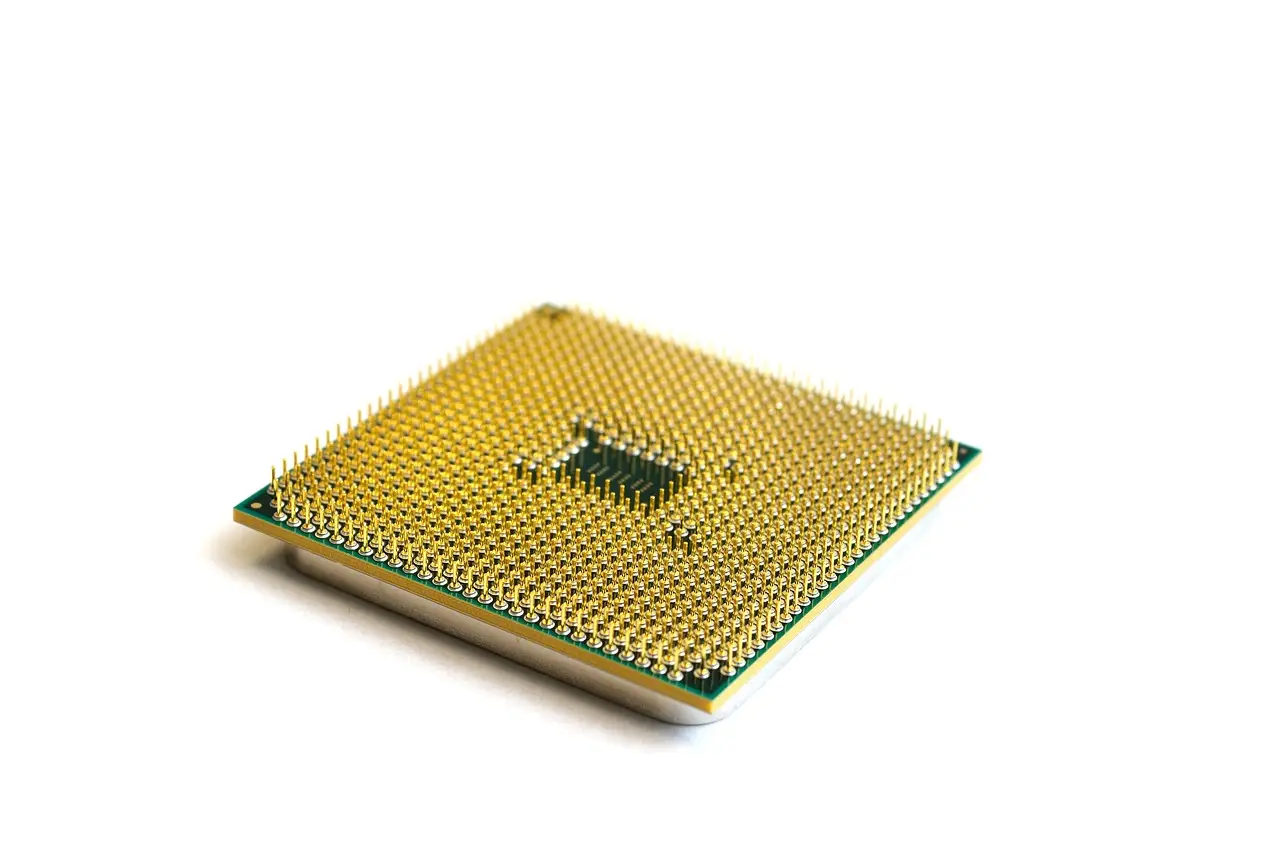
Samsung Electronics (005930.KS) will invest $1.9 billion (about 2.7 trillion won) to expand its Austin, Texas chip plant and produce semiconductors for SpaceX's Starlink satellites, according to chip industry sources and the U.S. Commerce Department, disclosed on the 15th.
The deal moves a critical space component onto U.S. soil. Samsung will manufacture the STM32V8 microcontroller unit (MCU) at its Austin foundry — volumes currently produced in France — bringing the chip within reach of SpaceX's nearby headquarters.
What chip is Samsung making?
The STM32V8 is a high-performance MCU built on an 18-nanometer fully depleted silicon-on-insulator (FD-SOI) process. Samsung developed the process jointly with France's STMicroelectronics.
The chip delivers high-speed computing at low power and is engineered to keep stable performance and durability in harsh environments such as space. SpaceX said in December last year that it uses the STM32V8 in the laser communication system of its Starlink low-Earth-orbit satellite network.
Why Austin, and why by 2030?
A subsidy project disclosed by the National Institute of Standards and Technology (NIST), part of the Commerce Department, states that the Austin fab will support production of FD-SOI chips needed by core U.S. industries — aerospace, defense and automobiles. Operations are targeted to begin by 2030.
The Austin plant runs mature processes from 65 nanometers to 14 nanometers. The $1.9 billion investment is expected to strengthen its satellite chip capabilities and broaden cooperation with U.S. customers.
How does this fit Samsung's U.S. strategy?
With a foundry base already established in Texas, Samsung is adding SpaceX satellite chips to a customer list that includes AI chips for Tesla, Nvidia and AMD. The company is rapidly widening its U.S. business into space and defense.
"With domestic foundry lines running at full capacity, the company is also moving faster on expanding its U.S. plant," an industry official said. "The chances have grown that Starlink chips will also be made at the Austin fab at the customer's request."
Samsung said it cannot officially confirm contracts with individual customers.
Takeaway: Samsung is spending $1.9 billion to turn Austin into a production hub for space-grade chips, landing SpaceX as its newest high-profile U.S. foundry customer.
via en.sedaily.com (Source)
More from Amara Osei
Show full bio
Staff writer covering money, funding and market shifts around hardware layer of artificial intelligence at Die Signal.
595 articles
Same lot · LOT-362B
- DSG-785865nmSamsung Splits Texas Fabs: Space Chips in Austin, AI Chips in Taylor
- DSG-156714nmSamsung Weighs Silicon Photonics Buyout in Push Against TSMC
- DSG-766228nmSamsung Electro-Mechanics to Invest 6.78 Trillion Won in AI Package Substrates
- DSG-346220nmSamsung Plans Second Texas Chip Plant Before First One Opens
- DSG-204265nmTSMC Eyes Texas for Next Wave of US Chip Production