Test report · tested November 25, 2026
Memory & StorageDevice under test
Samsung Targets 500-Layer NAND as AI Servers Take Half the Market
Enterprise SSDs reached 48% of NAND shipments as Samsung pushes 500-layer V-NAND for 2026, while commodity prices stall and YMTC's share climbs to 14%.
- Read
- 4 min
- Words
- 776
- Segment
- Memory & Storage
- Operator
- Priya Raman
Spec summary
- eSSDs took 48% of NAND shipments by capacity in Q2, up from 26% a year earlier (Counterpoint Research).
- Samsung began mass production of 400-layer V10 NAND in H1 this year; 500-layer products expected as early as 2026.
- Commodity NAND (128Gb MLC) prices rose from $5.74 to $30.61 between December 2024 and September 2025, then stalled in October.
- Samsung's NAND revenue share fell to 28% in Q2 from 31%; YMTC rose to 14% from 11%.
- V11 NAND, including a 576-layer variant, is in trial production at Pyeongtaek P2, P3 and P4 with roughly 30% yield.
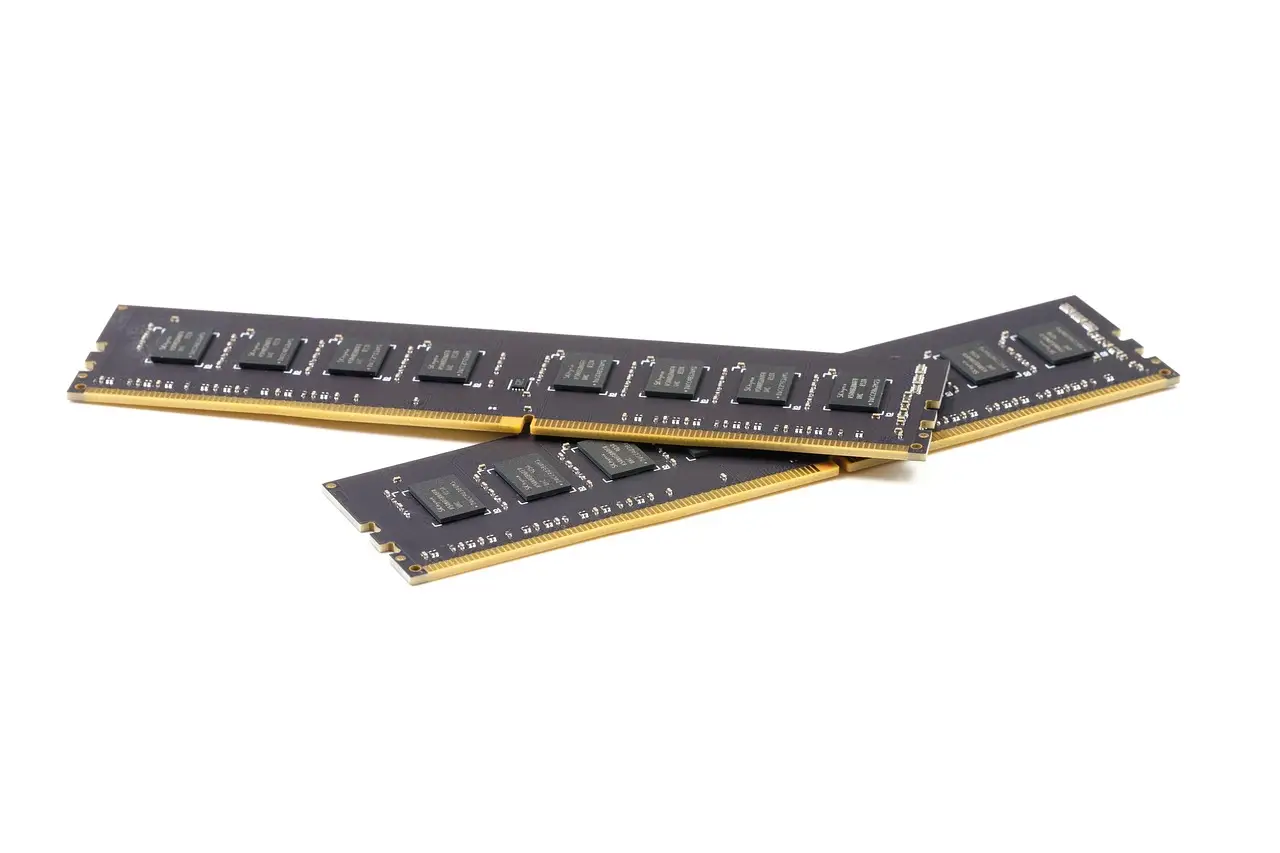
Enterprise solid-state drives accounted for 48% of global NAND shipments by capacity in the second quarter of this year, up from 26% a year earlier, and Samsung Electronics (005930.KS) is now racing to mass-produce 500-layer NAND flash to serve that demand. The figure comes from Counterpoint Research. Smartphones and PCs once represented more than 70% of NAND demand; enterprise storage now takes nearly half.
The shift follows the move of the AI industry from training to inference. Key-value (KV) caches, the structures AI systems use to retain conversation context with users, have emerged as a new source of storage demand. Advanced AI services generate more context data, and costly high-bandwidth memory (HBM) cannot hold all of it. Nvidia, the AI accelerator market leader, is pushing NAND-based storage for inference for this reason.
What is Samsung's layer-count roadmap?
Samsung's lever is stacking. It mass-produced 236-layer eighth-generation (V8) NAND in 2022, released 286-layer V9 chips in 2024, and began mass production of 400-layer tenth-generation (V10) NAND in the first half of this year, skipping the 300-layer range entirely. A 500-layer product is expected as early as next year. That would more than double the NAND layer count in five years.
The comparison is architectural: stacking cells higher works like adding floors to an apartment building on the same plot of land. More capacity per wafer lowers Samsung's manufacturing cost, and data center operators fit more storage into limited server space.
Next-generation work is already running. Samsung is evaluating 11th-generation (V11) NAND on production lines at its Pyeongtaek No. 2, 3 and 4 plants. Trial production began early this year. Several layer counts are in development, including a 576-layer chip. The yield, the share of good units in total output, reportedly stands near 30% despite the early stage.
A 30% yield at trial stage is a starting point, not a production figure; the source does not say when V11 would reach mass production.
Why the hurry?
The price rally that justified heavy NAND investment is stalling. The average transaction price for commodity NAND (128Gb multi-level cell) rose from $5.74 at the end of December last year to $30.61 at the end of September, a more than fivefold increase. The climb stopped in October. Some NAND spot prices have fallen more than 20% recently.
TrendForce forecasts global NAND supply will grow 25% to 30% next year by storage capacity, and first-quarter contract prices will fall by as much as 5% from the previous quarter. Chinese cloud providers are cutting eSSD orders, and smartphone and PC demand is weakening. North American cloud providers, by contrast, have raised their eSSD demand forecasts for next year. High-margin products for North American AI data centers remain a profit pool even if the broader market slows.
Chinese competition adds pressure. Counterpoint Research data shows Samsung's global NAND market share by revenue fell to 28% in the second quarter of this year, from 31% a year earlier. Over the same period, China's Yangtze Memory Technologies (YMTC) rose to 14% from 11%. Competing on price with Chinese firms in commodity NAND looks weaker to Samsung than holding a technology gap in AI server products, where customers apply demanding quality and performance standards.
What comes after conventional SSDs?
The race is spreading into next-generation AI memory. SK hynix (000660.KS), the early HBM leader, has partnered with U.S.-based SanDisk to develop high-bandwidth flash (HBF), which stacks multiple NAND layers and connects them at high speed to close the gap between HBM and SSDs. The industry expects commercialization around 2028 and a full market around 2030.
Samsung has its own entry. Unveiled in August, zNAND-O stacks NAND chips in four or eight layers and connects them with through-silicon vias (TSV, vertical interconnects through the chip) to improve data transfer performance. HBF targets data centers; zNAND-O targets on-device AI. The markets differ, but both firms are converting NAND from simple storage into high-performance AI memory.
"In the age of AI inference, capacity and cost will matter as much as memory performance," an industry official said. "The company that can mass-produce high-performance NAND at low cost will gain the upper hand not only in the existing NAND market but also in the next-generation AI memory market."
The claim assumes the price cycle cooperates. Samsung's 500-layer timeline is stated as "as early as next year," and no yield figures for V10 or 500-layer parts appear in the source.
via en.sedaily.com (Source)
More from Priya Raman
Show full bio
Correspondent covering money, funding and market shifts around hardware layer of artificial intelligence at Die Signal.
754 articles