Test report DSG-8670 · Rev C · tested October 30, 2026
Memory & StorageDevice under test
Samsung's entire 2027 HBM supply is already sold out
Samsung says its entire 2027 HBM output is booked, 60-70% of capacity sits under long-term deals, and memory shortages could persist into 2028.
- Read
- 2 min
- Words
- 489
- Node
- 7nm
- Operator
- Elena Vasquez
Spec summary
- Samsung's entire 2027 HBM supply is already booked
- Long-term deals with 10 major customers will cover 60-70% of Samsung's total production capacity
- HBM4E mass production starts in H1 2027; tight supply may persist into 2028
- Strong demand reported for DDR5 at 8,000 MT/s and above
- HBM4E and HBM5 need larger dies and more metal layers, physically capping supply growth
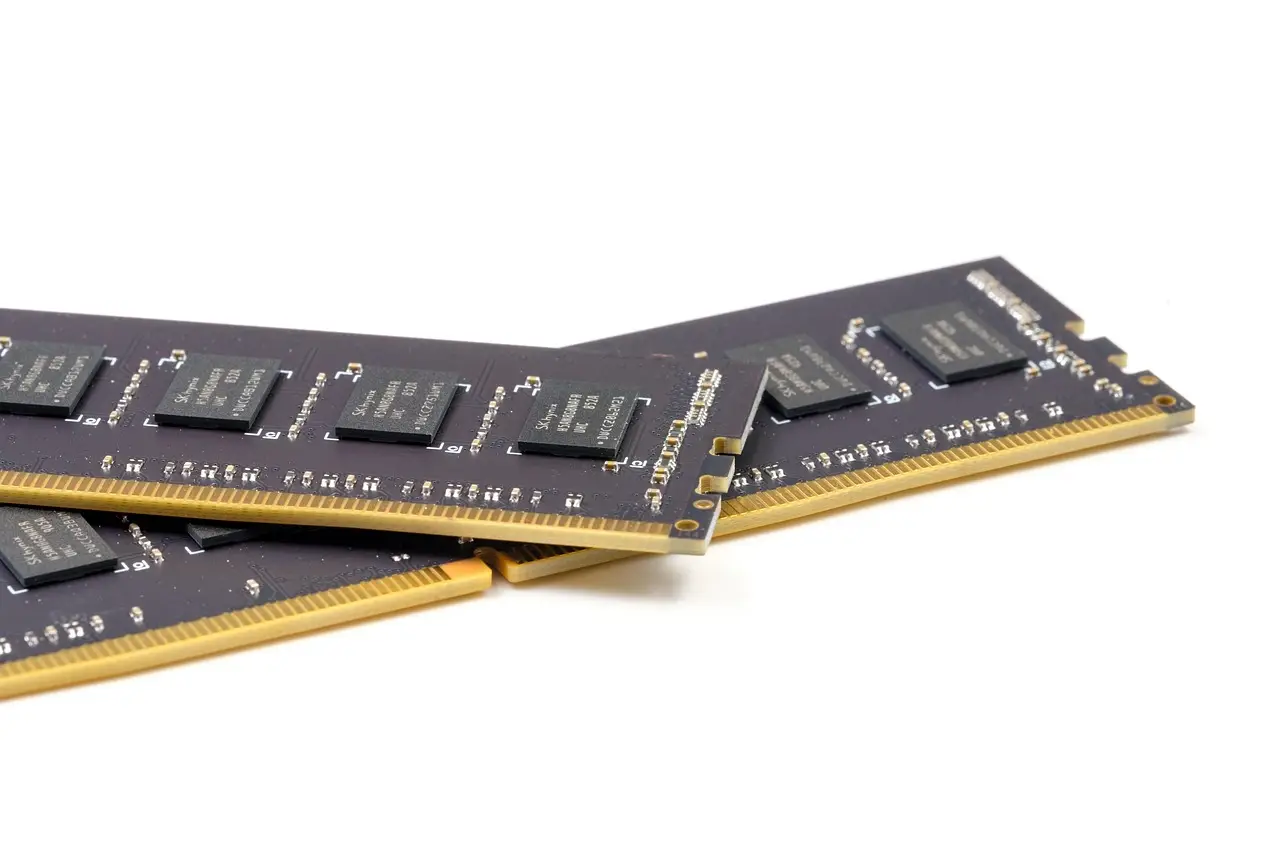
Samsung has booked out its entire High Bandwidth Memory supply for 2027, and it told investors on its latest earnings call that memory shortages could get worse before they get better — with tight conditions potentially stretching into 2028.
That's a two-year-plus squeeze signal from the world's largest memory maker, and it lands on every builder who specs DRAM or HBM into a product roadmap. The culprit is AI: accelerator and data center demand is eating the industry's available production capacity faster than fabs can add it.
Why can't Samsung just make more?
Physics and process complexity, mostly. Samsung explained that newer generations like HBM4E and HBM5 need larger dies and more metal processing layers than their predecessors. Each new generation, in effect, consumes more wafer and more fab time per bit produced.
There's a second squeeze. Manufacturers are shifting capacity away from conventional DRAM toward HBM, which means the mainstream memory market loses supply exactly when AI is absorbing the high end. Samsung believes these factors create physical limits on how quickly total memory supply can grow — this isn't a spending problem, it's a geometry problem.
The company is increasing investment to meet demand. But Samsung doesn't expect that spending to translate into a major jump in memory output right away. Translation for buyers: don't budget around a 2027 price relief.
Who's locking in supply?
Demand has spread well past the hyperscalers. Samsung says more customers want memory through long-term agreements, and it has already signed such deals with 10 major customers. Those contracts are expected to cover roughly 60% to 70% of its total production capacity — meaning most of Samsung's output is already committed before the spot market sees any of it.
Interest now reaches beyond data centers into:
- Mobile devices
- Automotive technology
- Networking equipment
If you're a smaller buyer in any of those verticals, the message is blunt: the long-term-agreement window is where supply is going, and it's going early.
What's shipping and when?
Samsung's high-end roadmap is moving on schedule. HBM4 production is ramping now. HBM4E is set to enter mass production in the first half of 2027, with higher-volume output following later that year — right into a market where 2027 supply is already fully allocated.
On the conventional side, Samsung reports strong demand for high-speed DDR5 rated at 8,000 MT/s and above. That's a signal worth watching for server and workstation builders: the fastest conventional DRAM tiers are getting pulled into the same demand vortex as HBM.
The net picture for 2027 is more competition, not less. AI firms are bidding for large HBM volumes while other industries scramble to lock in their own multi-year supply. By Samsung's own framing, the shortage doesn't ease in 2027 — it potentially intensifies, and 2028 is the earliest realistic exit.
via Google News: HBM memory (Source)
More from Elena Vasquez
Show full bio
Senior reporter covering people, launches and day-to-day practice in hardware layer of artificial intelligence at Die Signal.
508 articles
Same lot · LOT-C204
- DSG-59533nmAnalysts: HBM Memory Cut Samsung Losses by 41% in a Year
- DSG-69353nmSamsung Projects Record 107.4 Trillion Won Q3 Operating Profit
- DSG-228445nmSamsung Chip Profit Jumps Nearly Ninefold on AI Memory Demand
- DSG-941720nmSamsung Says Memory Demand Spreads Beyond HBM; 70% of Capacity Locked in Long-Term Contracts
- DSG-214914nmSamsung Commits Nearly 80% of Next Year's Memory Output in Long-Term Deals