Test report DSG-3119 · Rev F · tested October 19, 2026
AI Datacenter InfrastructureDevice under test
Russian governor proposes data centers in 300m-deep coal pits
Kemerovo governor Ilya Seredyuk proposes data centers in 300-meter-deep disused coal pits, citing drone-strike resistance and lower cooling and reclamation costs.
- Read
- 2 min
- Words
- 365
- Node
- 10nm
- Operator
- Amara Osei
Spec summary
- Kemerovo governor Ilya Seredyuk proposed data centers inside coal pits 300 meters deep.
- He suggested parks and greenery above the sites to conceal them from threats.
- Pit water and aquifers would act as natural chillers, cutting cooling capex and opex.
- Drone strikes recently hit Yandex data centers; DCD reported a strike on a VK facility the same day.
- Oracle said in 2024 it would build a data center in Israel with nine floors underground.
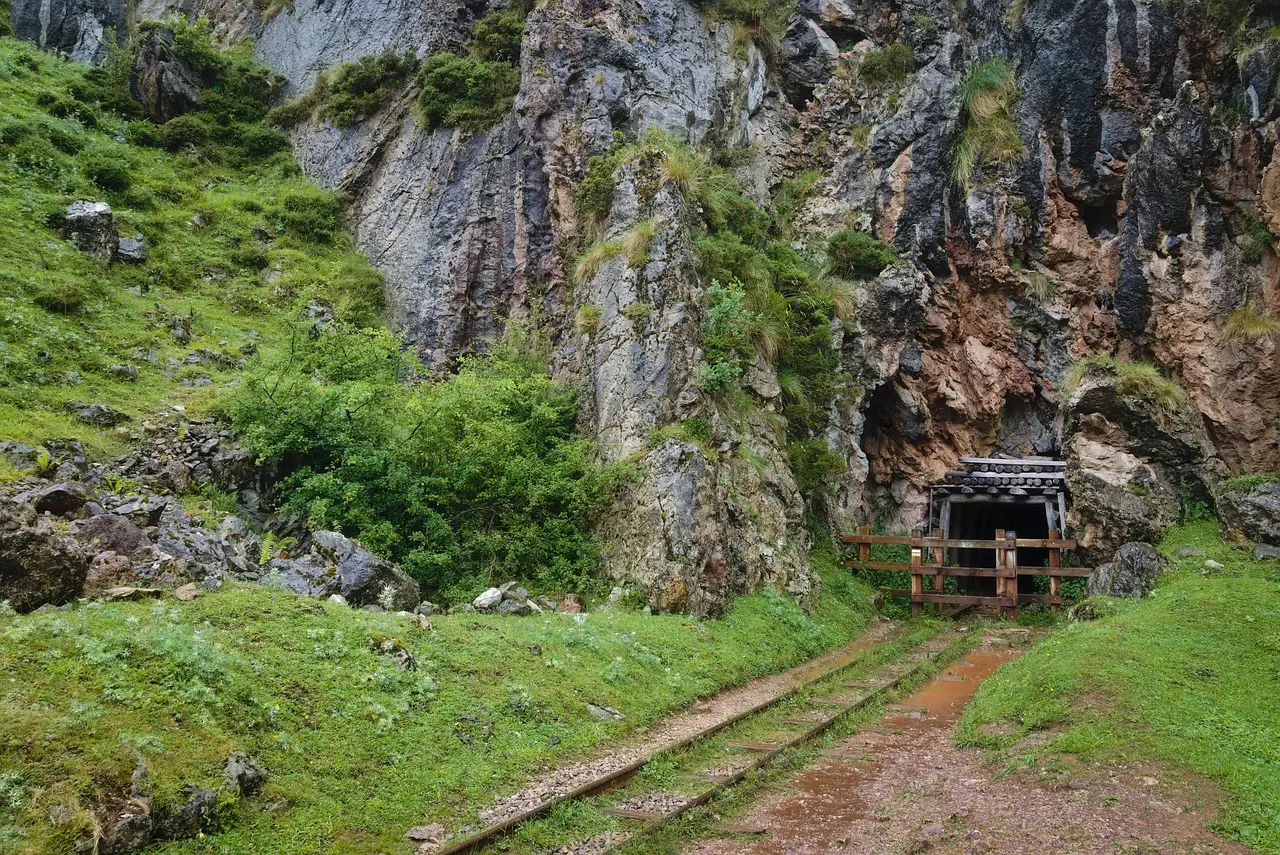
Kemerovo region governor Ilya Seredyuk has proposed building data centers inside coal pits 300 meters deep, arguing that depleted open-cast mines offer protection from Ukrainian drone strikes.
Seredyuk made the comments during a session at Russian Energy Week, as reported by Ukrainian media. He proposed placing data centers inside exhausted open-pit coal mines, citing their resistance to aerial strikes.
The plan has a second layer: build public parks and greenery above the underground facilities to conceal their location from potential threats.
What would the mine-based sites cost?
Seredyuk framed the concept as a cost play as much as a security measure. He said the constructions would be cheaper because operators would not need to fund surface reclamation of the pits.
He also cited the depth as an operational advantage: standing pit water and subterranean aquifers could serve as natural chillers, cutting both capital expenditure and operating costs for cooling.
In short: the same geology that made the mines worthless could make them cheap places to run racks.
Why is Russia relocating data center plans?
The proposal follows an escalation in Ukrainian attacks on Russian data center infrastructure. Recent drone attacks on data centers owned by Yandex have disrupted Russian services.
On the day of the announcement, DCD reported that a drone struck a data center operated by Russian technology and social media firm VK.
In recent weeks, Russian officials have weighed alternative locations in response to the strikes. A vice president of Rostelecom has promoted the idea of a so-called "doomsday" data center. Officials have also discussed deploying data centers in friendly neighboring countries.
Is anyone else building underground?
The concept is not unique to Russia. Driven by high-performance computing demands and the reality of data centers becoming wartime targets, developers and operators worldwide have explored subterranean facilities — and in some cases built them — to gain security, reduce cooling and energy costs, and improve sustainability.
Several companies in Israel have proposed underground data centers. In 2024, Oracle stated it would build a data center there with nine floors below ground.
The takeaway: as drones reach server halls, the cheapest bunker may be a hole someone already dug.
By Amara Osei
via united24media.com (Original)
More from Amara Osei
Show full bio
Staff writer covering money, funding and market shifts around hardware layer of artificial intelligence at Die Signal.
459 articles
Same lot · LOT-C1CF
- DSG-13627nmDrone Strike Takes Down Yandex's Largest Data Center in Russia
- DSG-32383nmRussia Eyes Belarus, Kazakhstan for AI Data Centers as Power Grid Squeeze Deepens
- DSG-52867nmBlackRock and Nvidia Back $40 Billion AI Data Center Consortium
- DSG-422845nmSenate probe: 100 MW AI data centers deliver only 100 jobs
- DSG-182145nmSesterce Plans $10bn, 600MW AI Data Center Campus in Finland