Test report DSG-7360 · Rev A · tested November 6, 2026
Supply Chain & PolicyDevice under test
Oracle Scraps $7 Billion Tencent AI Chip Lease After US Pushback
Oracle has cancelled a $7 billion, five-year deal to lease up to 100,000 advanced AI chips to Tencent after US officials questioned the Southeast Asia-based arrangement, the Financial Times reported.
- Read
- 3 min
- Words
- 572
- Node
- 3nm
- Operator
- Elena Vasquez
Spec summary
- Oracle cancelled a $7 billion, five-year AI chip leasing agreement with Tencent, the FT reported on Wednesday.
- The deal would have given Tencent access to up to 100,000 advanced AI chips in Southeast Asian data centres.
- Nvidia told cloud customers at least 51% of capacity must be sold to companies outside China, the FT reported Tuesday.
- Chinese authorities pushed Tencent toward domestic semiconductor alternatives.
- ByteDance and Alibaba maintain significant chip leasing agreements with US cloud providers.
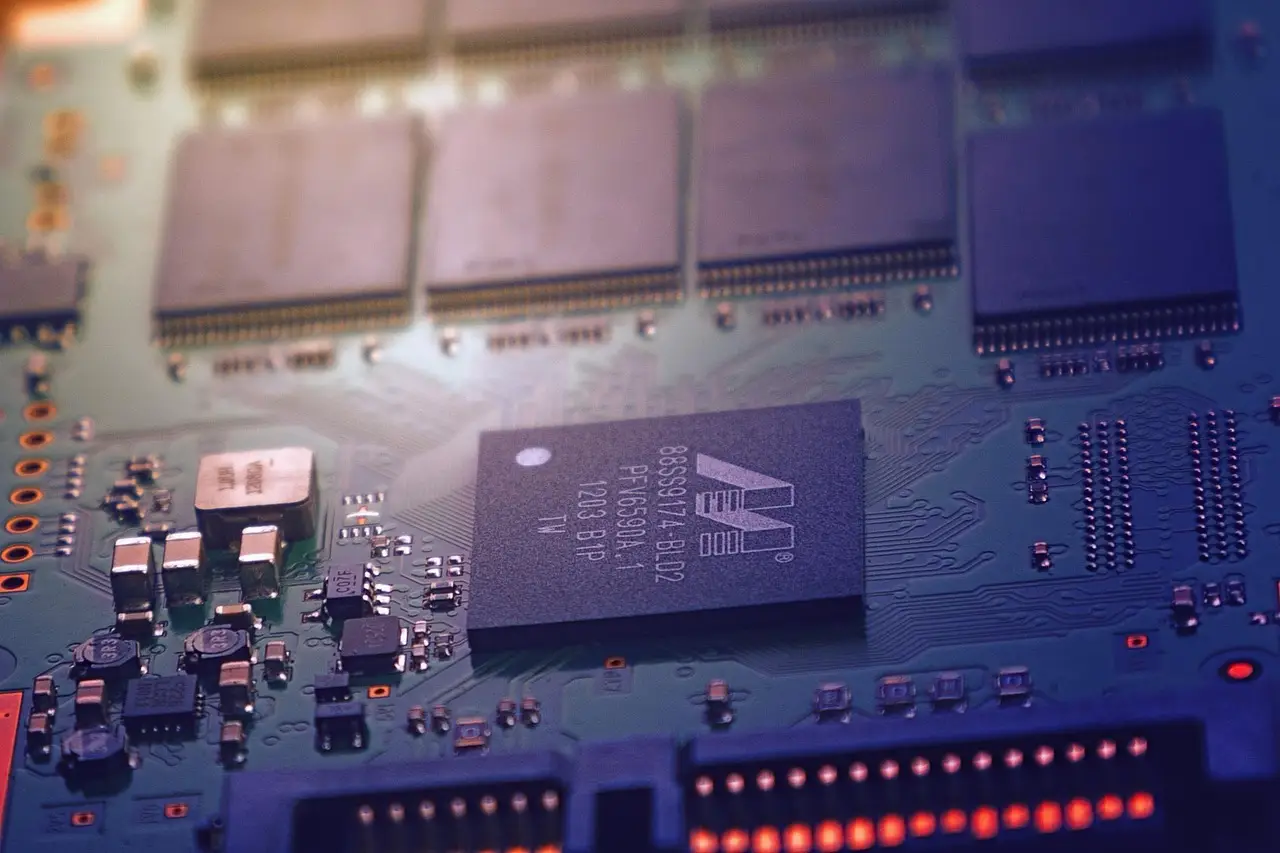
Oracle has cancelled a $7 billion, five-year agreement to lease advanced AI chips to Tencent after US officials raised concerns about the arrangement, the Financial Times reported on Wednesday, citing two people familiar with the matter.
The contract, signed earlier this year, would have given Tencent access to as many as 100,000 advanced AI processors housed in data centres across Southeast Asia. That's roughly the scale of compute a top-tier internet platform needs to train and run large models — capacity Tencent now has to find elsewhere.
Oracle, led by Larry Ellison, terminated the deal after government officials under President Donald Trump's administration questioned it. Washington wants to keep the US ahead in artificial intelligence while limiting China's access to high-performance computing systems.
Why does the cancellation matter beyond China?
The data centres sat outside China, and that's the detail practitioners should flag. US scrutiny is no longer limited to direct chip exports — it now covers computing capacity delivered through overseas cloud infrastructure.
Chinese companies have increasingly worked around export controls by leasing capacity from international cloud providers instead of buying restricted processors outright. This deal's collapse signals that the workaround itself is now under watch.
The intervention could affect any cloud provider selling advanced AI services to Chinese customers. If you're structuring cross-border AI compute deals, expect Washington to look at where the chips physically sit and who ultimately consumes the capacity.
What pressure did Tencent face at home?
Tencent got squeezed from both directions. Chinese authorities also questioned the Oracle arrangement and pushed the company toward domestically produced semiconductor alternatives, according to the FT.
That fits Beijing's broader push to build a homegrown chip industry and cut reliance on foreign technology. Tencent — whose internet, gaming and digital services businesses demand substantial computing capacity — may now lean harder on domestic options, since the cancellation blocks one of its main routes to foreign compute.
What is Nvidia doing about cloud customers?
The Oracle-Tencent story lands alongside another restriction. On Tuesday, the FT reported that Nvidia told its cloud computing customers that at least 51% of their capacity must be sold to companies outside China.
That rule caps how much Nvidia-powered capacity cloud providers can allocate to Chinese customers. Together with the Oracle cancellation, it shows regulators closing in on the leasing route as a backdoor to advanced processors.
Do other Chinese tech firms still have US cloud deals?
Yes, and that's what makes the picture uneven. ByteDance and Alibaba both hold significant chip leasing agreements with US cloud infrastructure companies, the FT reported.
Oracle remains a key supplier of computing services to ByteDance in Asia, operating several data centres in Malaysia. Those commercial relationships persist even as scrutiny intensifies — but their future depends on how US restrictions evolve and whether new limits hit overseas AI computing services.
What does this mean for the AI infrastructure market?
For Oracle, the cancellation removes a major long-term leasing revenue stream at a moment when cloud providers are pouring capital into AI infrastructure. For Tencent, it raises the stakes on alternative compute arrangements and domestic chips.
The bigger lesson for the trade: regulatory risk is now a first-order variable in AI capacity contracts. As Washington and Beijing keep competing over AI technology, regulatory decisions will increasingly shape how advanced computing capacity gets distributed globally — and who gets to rent it.
via Google News: AI chip (Source)
More from Elena Vasquez
Show full bio
Senior reporter covering people, launches and day-to-day practice in hardware layer of artificial intelligence at Die Signal.
589 articles
Same lot · LOT-360D
- DSG-558914nmOracle Drops $7 Billion Tencent AI Chip Lease Deal Under US Pressure
- DSG-576245nmOracle Drops $7 Billion Tencent AI Chip Deal After US Pushback
- DSG-645245nmTencent Reportedly Commits $7 Billion to Lease 100,000 AI Chips From Oracle
- DSG-311728nmTencent Reportedly Eyes $7B Oracle AI Chip Deal Via Southeast Asia
- DSG-307314nmOracle Cancels $7 Billion Tencent AI Chip Leasing Deal