Test report · tested November 28, 2026
Supply Chain & PolicyDevice under test
Optical network gear prices rose 50% in 2026, lead times hit 18 months
RETN reports optical network equipment prices up around 50% since January 2026, with lead times stretched from three months to 12–15 months as AI data centers outbid telecoms for components.
- Read
- 5 min
- Words
- 1,058
- Segment
- Supply Chain & Policy
- Operator
- Priya Raman
Spec summary
- Optical network equipment prices rose around 50% since the start of 2026, per RETN via XenoSpectrum, November 28, 2026.
- Typical lead times grew from about 3 months to 12–15 months; some orders take 18 months or longer.
- The reported cause is operators and telecoms competing with AI data centers for the same chips and components.
- No manufacturer, product, price in currency or named executive appears in the verifiable reports.
- The 50% rise already happened; headlines framing it as a forecast misstate the reporting.
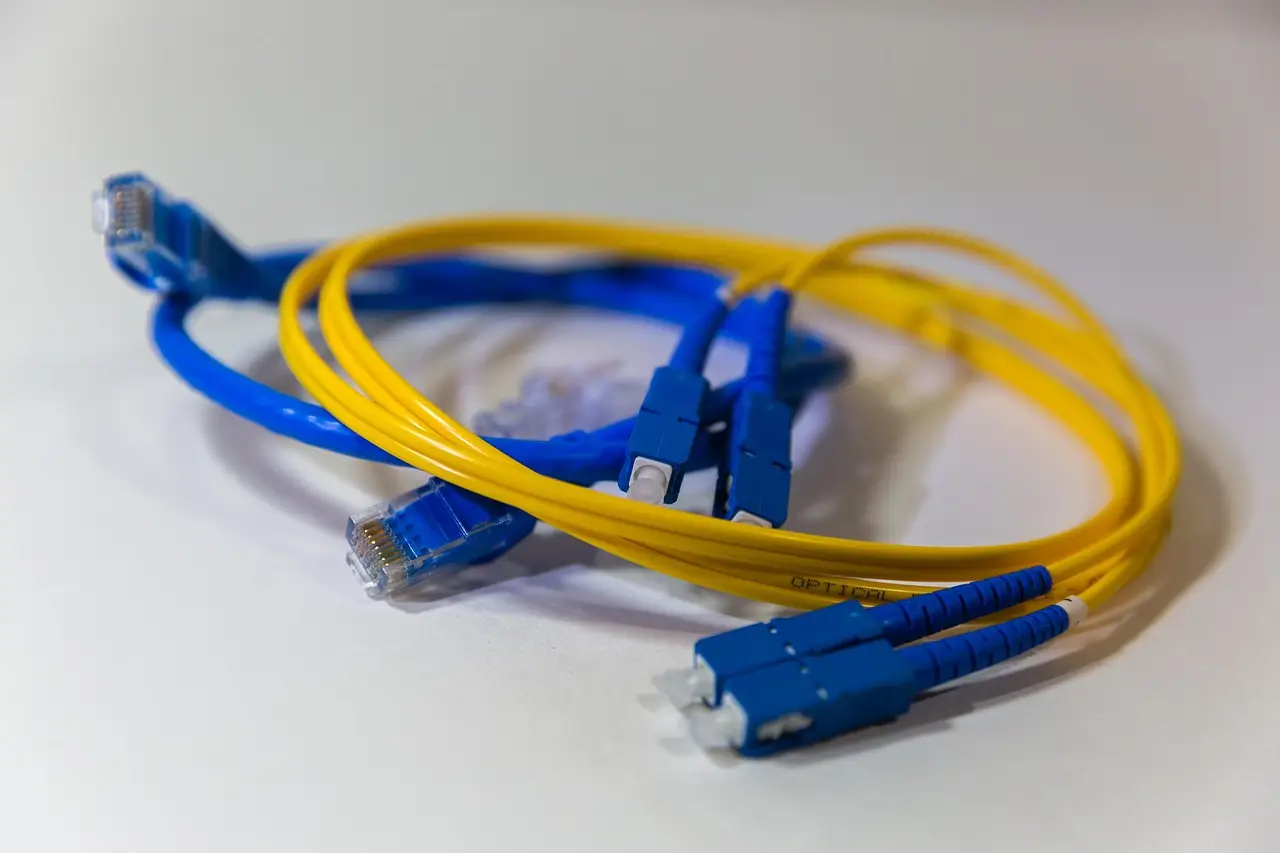
Optical network equipment prices rose around 50% since the start of 2026, and delivery lead times stretched from about three months to a typical 12 to 15 months. Network operator RETN reported those figures on November 28, 2026, as carried by XenoSpectrum. Some orders now take 18 months or longer.
The reported cause is a bidding war. Network operators and telecommunications companies compete with AI data centers for the same chips and components. When one buyer can outbid the other, the slower side of that contest waits and pays more. The claim traces to a single corporate source, and no independent confirmation exists.
What did RETN actually report?
Three figures anchor the story:
- Equipment prices: around 50% higher than the start-of-2026 baseline.
- Typical lead time: 12 to 15 months, up from about three months.
- Longest orders: 18 months or longer.
The lead time multiple deserves attention. A move from three months to 12 is a fourfold stretch; to 15 months, fivefold. Those are not marginal delays.
The reports name no manufacturer, no product line, no model number and no price in any currency. No named executive is quoted on record. That leaves one buy-side company making a market-wide claim. Useful signal, not a sector audit.
The claim still carries weight because of who makes it. RETN sits on the buy side as a network operator, so it feels delivery delays directly. A carrier describing longer waits and higher bills reports its own purchasing experience, not a forecast about someone else.
Readers should separate two layers. The first is what RETN observed: a 50% rise and 12 to 15 month waits. The second is the interpretation that AI demand explains all of it. The reports link the two but publish no component-level data proving the split.
Why do AI data centers crowd out telecom operators?
The mechanism is plain competition. Operators, telecoms and AI data centers all want the same parts, and supply cannot expand instantly. Suppliers prioritize orders by size, margin and timing, and AI builders tend to order in volume on tight schedules.
Optical equipment is a poor candidate for quick relief. It depends on specialized components, and qualifying a new supplier takes time. A buyer cannot swap a part in a week without retesting the link. That stickiness turns a chip squeeze into a lead time measured in quarters. The reports do not break out which components are scarcest, and guessing at a specific part would turn analysis into invention.
For carriers, the squeeze collides with public obligations. Telecoms must expand coverage, add backhaul and keep services running. A late shipment can delay a regional upgrade or force a stopgap costing more than the original plan. The 50% price rise adds a second hit to tight capital budgets.
AI builders are not immune. A facility that finishes power and cooling work but cannot get optical links still cannot run training at scale. Large language model training (work spread across thousands of accelerators exchanging data constantly) depends on fast links between racks and buildings. A cluster of GPUs without enough optical links is a stranded asset. Labs that secured optical capacity early can expand on schedule; labs that did not may see roadmaps slip for reasons unrelated to model research.
Is the headline figure a rise or a forecast?
Some circulating headlines say prices are set to rise 50%. The reporting says otherwise. RETN described a rise of around 50% since the start of 2026, which already happened. That distinction changes what a buyer faces. If prices are going up another 50%, ordering early looks urgent. If they already rose, the question becomes whether they rise further, plateau or ease. The reports do not answer that, and nobody quoted offers a projection.
Two other overstatements deserve flags. The reports do not say every optical product rose by exactly 50%; the figure is an overall number from one company. They also do not say every order takes 18 months. The 18-month figure applies to some orders, while the typical range is 12 to 15 months.
Calendar arithmetic shows the scale of a delay. An order placed in December 2026 would arrive around March 2027 under the old three-month norm. At 12 months it arrives in December 2027; at 15, in March 2028; at 18, in June 2028. Those dates are illustrations, not vendor commitments.
Who absorbs a 50% price rise?
In the first round, the buyer does. Carriers absorb the cost in margin, delay projects, or pass some of it to customers through business and wholesale pricing. Wholesale and enterprise connectivity could show the effect first: dearer, slower hardware makes new capacity scarcer, which tends to firm up pricing on existing routes. That chain is analysis, not a reported outcome.
Suppliers sit on the other side of the ledger. Longer backlogs and higher prices generally improve revenue visibility for equipment makers, though no manufacturer is named and no financials are given. Smaller operators face the sharpest risk. A national carrier can negotiate volume commitments; a regional provider ordering a few chassis has less leverage and may land at the back of the line. That, too, is inference.
History offers a pattern rather than a benchmark. The pandemic-era chip shortage stretched delivery times across electronics from cars to networking gear. The current squeeze has a different driver, AI demand rather than factory shutdowns. Past shortages mostly hit consumer-visible products, which drew political attention; optical infrastructure stays invisible until months later, as slower rollouts or higher bills.
What remains unconfirmed?
Anyone quoting this story should stay inside the reported rows and treat the rest as open:
- Reported by RETN: the 50% rise, the 3-to-12–15-month lead time stretch, some orders at 18 months or longer, and competition with AI data centers as the cause.
- Unconfirmed: another 50% rise ahead, uniform 50% increases across all products, 18-month waits on every order, and any named vendor, model, price or executive.
Independent figures from other carriers, equipment makers or market trackers would show whether the numbers hold broadly. Until then, the sensible reading is that at least one operator sees a severe squeeze, and the mechanism it describes is plausible. Watch for that confirmation, because it decides whether this is one carrier's pain or the market's new normal.
via shattered.io (Source)
More from Priya Raman
Show full bio
Correspondent covering money, funding and market shifts around hardware layer of artificial intelligence at Die Signal.
787 articles
Same lot
- Dell, HPE, Lenovo, Supermicro Reportedly Seek Up to 45% More on Signed AI Server Deals
- Applied Optoelectronics signs $2.2B 800G supply agreement
- Microsoft Fights FCC Draft Ban on Chinese Optical Transceivers
- TSMC Posts Record T$1.49 Trillion Q3 Revenue on AI Demand
- SEMI Forecasts $149B Spend on 300mm Fab Equipment in 2026