Test report DSG-4188 · Rev E · tested November 3, 2026
AI Datacenter InfrastructureDevice under test
Nvidia Orders Data Centers to Cap Chinese Customers at 49%
Nvidia has told data center operators worldwide to cap Chinese customers at 49% of business, reserving 51% for non-Chinese firms, the Financial Times reports.
- Read
- 3 min
- Words
- 657
- Node
- 20nm
- Operator
- Marcus Bennett
Spec summary
- Nvidia has reportedly capped Chinese customers at 49% of data center operators' business, requiring 51% non-Chinese.
- The policy applies globally but only to new contracts, not existing leasing agreements.
- The FT reports the rule was communicated by sales teams, with no official documentation.
- Older Nvidia server values reportedly tripled earlier this year amid black-market demand.
- China Telecom was recently found with Nvidia hardware in its data centers despite restrictions.
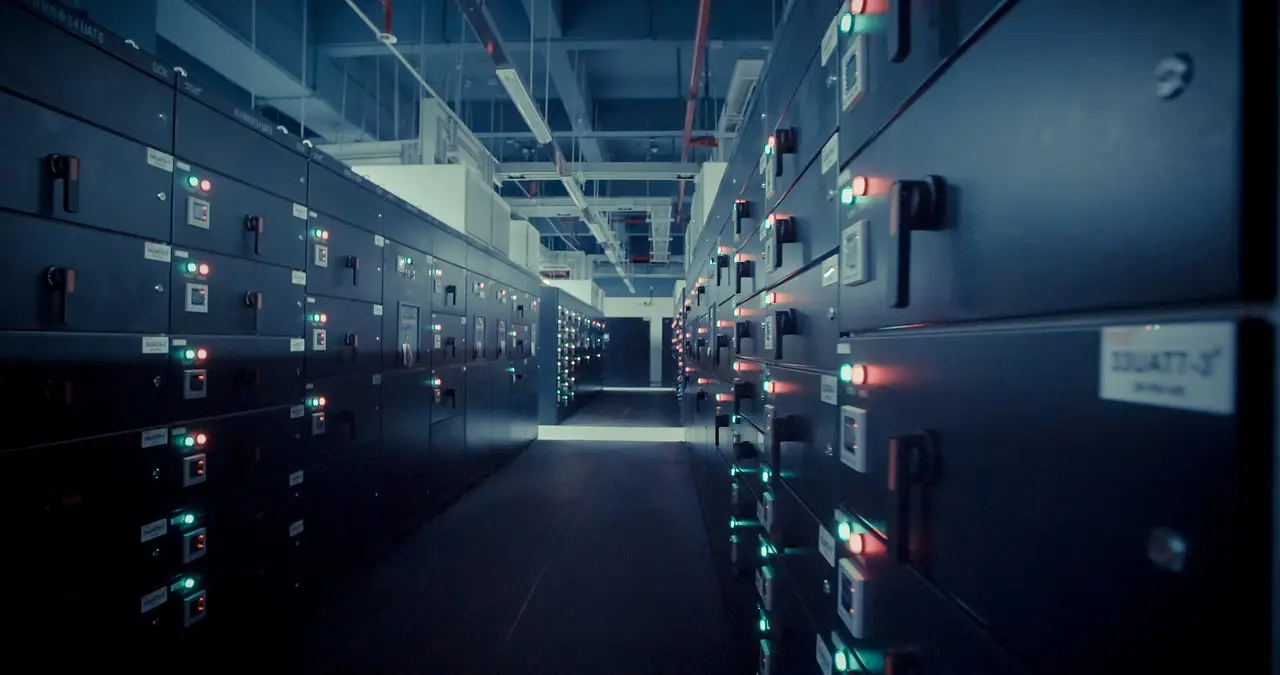
Nvidia has told its data center customers to cap business from Chinese companies at 49% of their total, according to a Financial Times report. Cloud providers selling Nvidia-based services must now reserve at least 51% of their business for non-Chinese outfits. It is the first time such a quota has been imposed on them.
The instruction arrived through Nvidia's sales force and regional teams, not through official documentation, the FT reports. That detail matters. A policy communicated informally leaves data center operators without a formal reference point, and it leaves Nvidia room to adjust the terms without publishing anything.
What does the new rule cover?
The restriction applies globally, not only to data centers in Asia. A provider in Europe or North America falls under the same 49% ceiling as one in Singapore. However, the rule touches only new and future contracts. Existing Nvidia hardware leasing agreements stay in place untouched.
For operators, the practical burden is tracking. Any provider with Chinese customers must now measure what share of total business those customers represent, and steer new sales so the non-Chinese side stays above 51%. That is a bookkeeping task and a sales-strategy task at once.
Nvidia addressed the broader context in a statement. The company said: "American chips are the foundation that American model and application makers need to compete worldwide." The statement added that current U.S. policy "encourages" cloud providers to build on American infrastructure and to accept business from "everywhere they can." Read together, the two sentences frame the quota as a consequence of Washington's stance rather than an initiative Nvidia chose on its own.
Why is Nvidia restricting access?
The backdrop is the ongoing dispute between the United States and China over AI capability. Nvidia chips are the default choice for AI servers and data centers worldwide, and U.S. policy aims to slow China's AI progress by cutting off that supply. Nvidia can currently sell its chips only to whitelisted companies.
The enforcement record is mixed. The restrictions have fed a thriving black market for Nvidia hardware. Earlier this year, reports found that even Nvidia's older servers had become so sought-after that their values tripled. More striking still, China Telecom — a Chinese state-owned telecoms giant — was recently found to have Nvidia hardware running in its own data centers. Restrictions on paper have not prevented Chinese buyers from obtaining the chips.
The intrigue extends beyond chips. Reports say Chinese agents targeted Nvidia's CEO in a spy plot, a detail that sounds like fiction but reflects how valuable the company's technology has become in the U.S.-China contest.
What does this change for cloud providers?
The quota shrinks the pool of customers that data center operators can compete for, at a moment when they are already fighting over the same contracts. Providers with a large Chinese client base may need to turn away renewals or new deals to stay compliant. Over time, a smaller addressable market could reduce the scale of data center operations.
There is also a competitive asymmetry. Providers whose customer mix is already majority non-Chinese face little adjustment. Those built around Chinese demand face a structural limit on growth — or a choice between expansion and access to Nvidia hardware.
What happens next?
Much depends on enforcement. The policy exists, so far, only in communications from Nvidia's sales teams. No public documentation defines how the 49% share is measured, whether it counts revenue or contract count, or what penalty applies for breach. Operators will likely seek clarification before signing new Chinese contracts.
The quota also deepens Nvidia's entanglement in geopolitics. The company must keep selling into markets Washington permits, while policing the downstream customer base of its own cloud customers. Whether that layered control works any better than the chip whitelist — which China Telecom's data centers suggest is already leaky — remains an open question.
via Tom's Hardware (Source)
More from Marcus Bennett
Show full bio
News editor covering regulation, policy and their impact on hardware layer of artificial intelligence at Die Signal.
591 articles
Same lot · LOT-360A
- DSG-567065nmNvidia orders cloud partners to cap China exposure at 49 percent
- DSG-496345nmU.S. Drafts Rules Adding Seven States to AI Chip Export Control List
- DSG-40033nmChinese AI Firms Rush to Reserve Nvidia Capacity Abroad
- DSG-24585nmChinese AI firms bought 1 million Nvidia GPUs in one year
- DSG-155110nmChip Smuggling Cases Reveal Gaps in Nvidia's China Export Controls