Test report · tested November 25, 2026
Processors & AcceleratorsDevice under test
Nvidia Loses $233 Billion in One Day, Dragging Samsung and SK hynix
Nvidia shed $233 billion in market value overnight, and Samsung and SK hynix fell more than 4% in premarket. The KOSPI now tests the 5,000 level after its 6.32% surge.
- Read
- 3 min
- Words
- 623
- Segment
- Processors & Accelerators
- Operator
- Priya Raman
Spec summary
- Nvidia shed about $233 billion in market capitalization on Dec. 24, after gaining about $952 billion the previous day.
- Samsung fell 4.17% to 189,400 won and SK hynix fell 4.92% to 1.158 million won in Dec. 25 premarket.
- The Philadelphia Semiconductor Index fell 7.9% to 8,832.3, surrendering 64% of its prior gain.
- The KOSPI closed at 5,006.03 on Dec. 24, up 6.32%, and now tests the 5,000 line.
- Jensen Huang is scheduled to appear before a U.S. Senate hearing on Dec. 3.
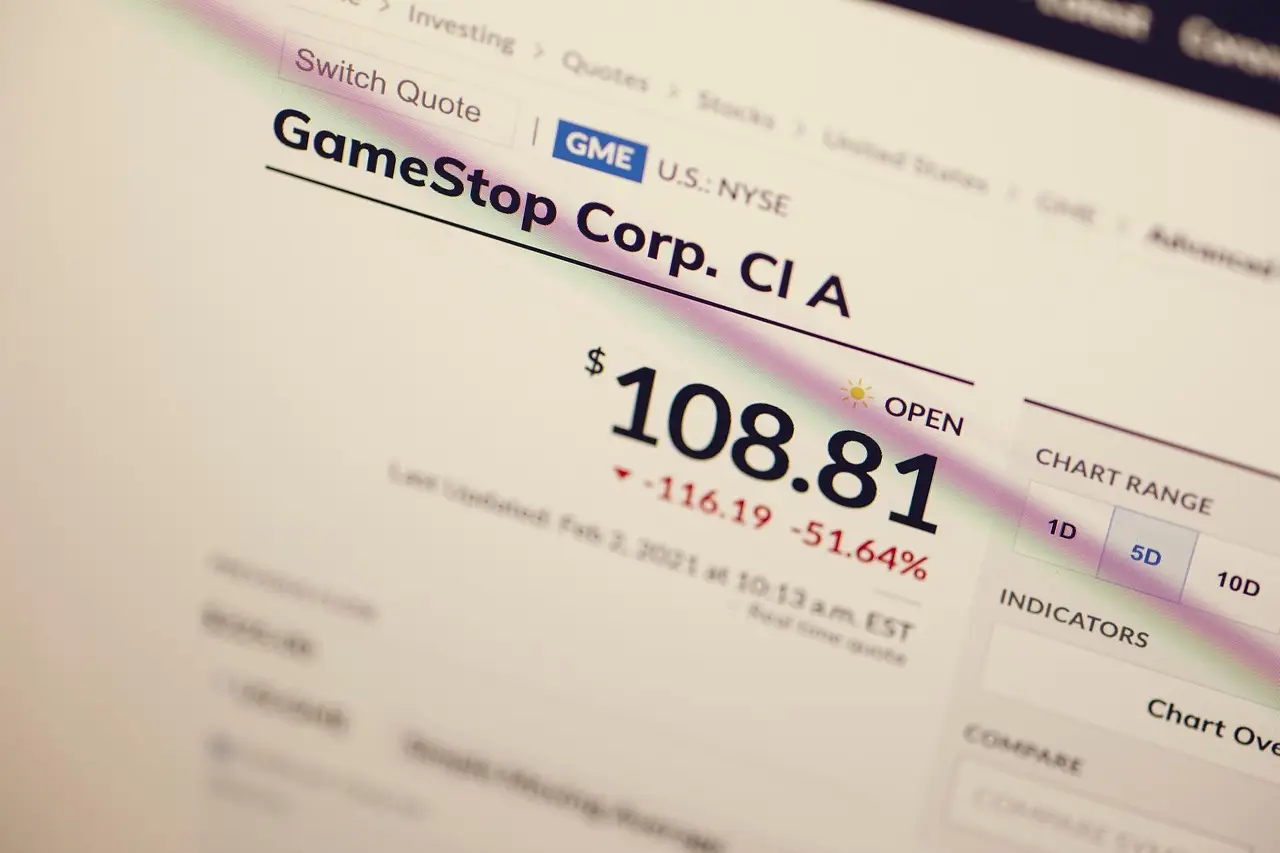
Nvidia shed about $233 billion in market capitalization on December 24, erasing roughly a quarter of the $952 billion it had gained the day before. The reversal hit Korean memory makers within hours. Samsung Electronics and SK hynix each fell more than 4% in premarket trading on December 25.
At 8:08 a.m. on the Nextrade premarket (Korea's alternative trading venue), Samsung traded at 189,400 won, down 4.17%. SK hynix fell 4.92% to 1.158 million won. The two stocks had gained 6.7% and 6.73% respectively the previous session on news of Nvidia Chief Executive Jensen Huang's return. That rally lifted the KOSPI 297.49 points, or 6.32%, to close at 5,006.03. Attention now turns to whether the index can hold the 5,000 line in regular trading.
What caused the overnight reversal?
Nvidia closed at $155.38, down $9.67 or 5.9%, after doubts grew over whether the Huang-driven rally could continue. Its market capitalization had risen about $952 billion — roughly 1,281 trillion won — the previous day on a 31.5% surge, then shed about $233 billion, or roughly 314 trillion won, in a single session. The two days of swings amounted to more than $1 trillion combined.
Anthropic fell 6.5%, closing below its $83 IPO price for the first time, four trading sessions after listing. Micron plunged 11.0% to $629.79, giving back 69% of its previous session's gain of $113.19.
SK hynix's American depositary receipts (shares of a foreign company traded on U.S. exchanges) closed at $111.98, down 9.9%, erasing about 60% of the prior day's 20.0% jump.
How broad was the selloff?
Texas Instruments fell 11.2% and SanDisk 11.1%, leading the declines. Other losses:
- Marvell: -9.1%
- AMD: -8.9%
- Arm: -8.6%
- Intel: -8.1%
- Western Digital: -7.8%
The Philadelphia Semiconductor Index closed at 8,832.3, down 755.7 points or 7.9%, surrendering 64% of the previous session's gain.
Neocloud operators (firms renting out AI computing capacity built on Nvidia chips) posted steep losses: CoreWeave -11.9%, IREN -11.5%, Nebius -10.7%. Meta (-1.3%) and Alphabet (-1.1%) held up relatively well among large-cap technology names. Apple advanced 1.4% and Microsoft 0.7%.
What is weighing on sentiment?
Analysts pointed to concerns over higher tariffs, an Nvidia board inquiry involving Huang, and his scheduled appearance before a U.S. Senate hearing on December 3. Even after Huang's return, worries about deteriorating free cash flow from expanding AI investment and uncertainty over data center regulation are unlikely to clear quickly, they said.
The selling concentrated in stocks that had surged the previous day. Some analysts therefore read the move as profit-taking after a short-term spike, not as doubts about corporate fundamentals. That distinction matters for anyone projecting the Korean session, but the source names no analyst holding that view directly.
"We expect the domestic market to open lower, hit by the roughly 7% decline in the Philadelphia Semiconductor Index amid continued jitters over U.S. AI stocks," said Han Ji-young, a researcher at Kiwoom Securities. "Rather than the possibility that existing negative factors spread further, what matters now is how much the market can unwind the extreme pessimism — distrust of KOSPI earnings, arguments that valuation is meaningless — and recover from the plunge."
Her framing puts the burden on sentiment repair, not on new fundamentals. Whether the KOSPI holds 5,000 in regular trading is the immediate test. Nvidia's Dec. 3 hearing date gives sellers a concrete event to price, and nothing in the source suggests those concerns resolve before then.
via en.sedaily.com (Source)
More from Priya Raman
Show full bio
Correspondent covering money, funding and market shifts around hardware layer of artificial intelligence at Die Signal.
748 articles
Same lot
- Samsung, SK hynix rise 1% after Nvidia CEO Jensen Huang resigns
- KOSPI Gives Up 5,300 as Foreign Selling Wipes Out Morning Rally
- Nvidia's $115.8 Billion Quarter Sends Korean Chip Stocks Higher
- KOSPI Reclaims 5,000 as Nvidia Results Lift Samsung, SK Hynix
- KOSPI Rebounds 4.6% as Nvidia Leadership Shock Sets Next Test