Test report · tested November 26, 2026
Supply Chain & PolicyDevice under test
Nvidia Halts Chip Shipments to Four Southeast Asian Countries
Nvidia told partners including Dell and Supermicro to stop shipping its chips to Singapore, Thailand, Malaysia and Indonesia, the FT reports, after Megaspeed was blacklisted over alleged smuggling to China.
- Read
- 2 min
- Words
- 468
- Segment
- Supply Chain & Policy
- Operator
- Grace Kim
Spec summary
- Nvidia ordered partners to halt chip server deliveries to four countries: Singapore, Thailand, Malaysia and Indonesia.
- The US blacklisted Megaspeed, Speedmatrix and five other firms, blocking AI chip purchases without special licenses.
- US authorities had investigated Megaspeed for two years over alleged smuggling of Nvidia chips to China.
- Huang resigned over multiple affairs but was reinstated Monday at President Trump's urging.
- New US rules from last week require a license to supply Chinese firms with large-scale compute on high-performance chips.
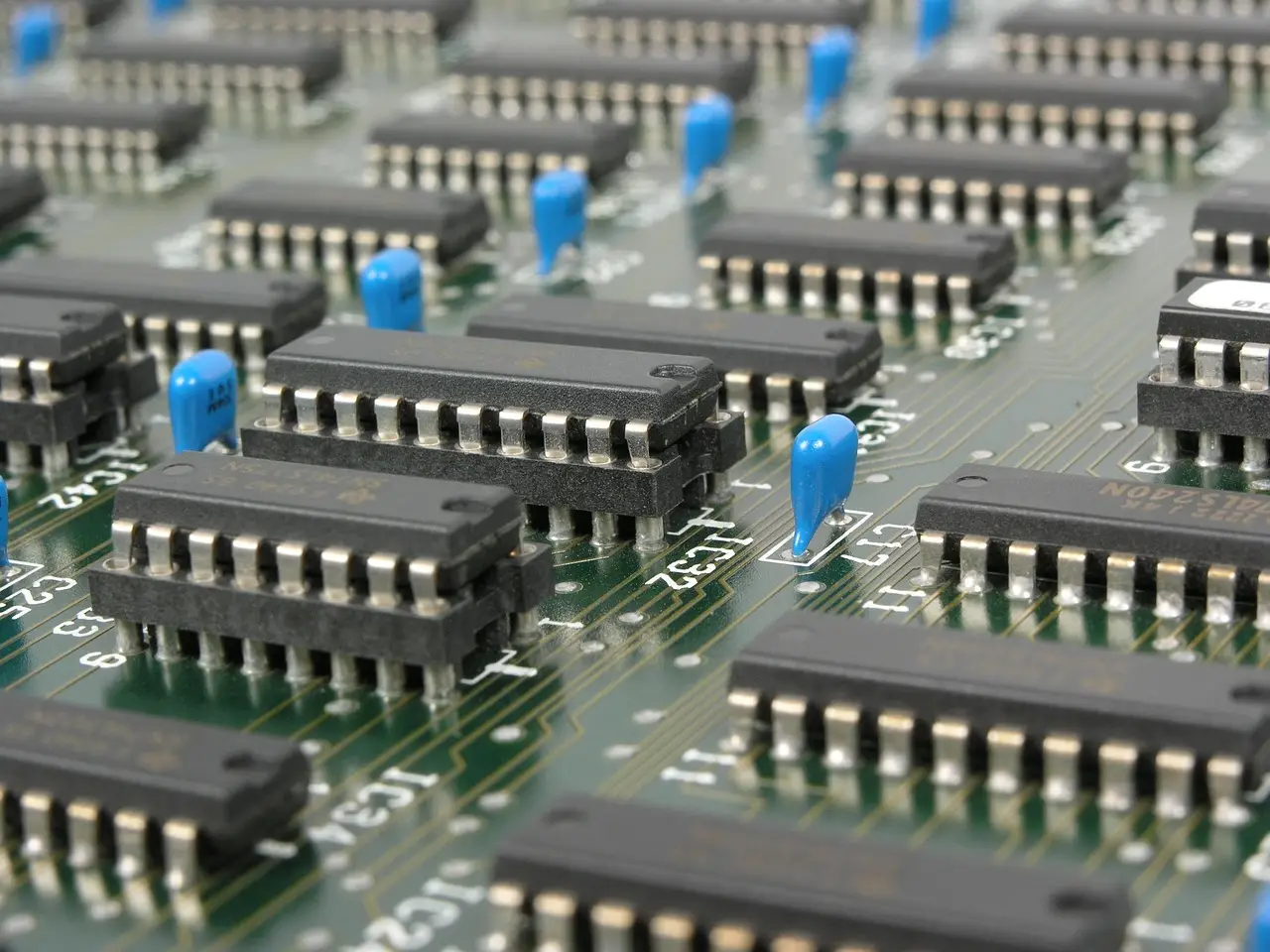
Nvidia has ordered its business partners to stop delivering servers containing its chips to Singapore, Thailand, Malaysia and Indonesia, the Financial Times reports. The move follows the espionage affair around CEO Jensen Huang and comes days after new US export rules targeting China's access to high-performance semiconductors.
Dell and Supermicro are among the affected partners. Both US companies install Nvidia chips into their data-center servers. An affected buyer, according to the report, is Aolani, a cloud computing firm in Singapore whose customer list includes Bytedance, the Chinese parent company of TikTok. It remains unclear whether the export stop is temporary or permanent.
Why did the US step in?
The US government placed Megaspeed, the company at the center of the recent Nvidia controversy, on a blacklist. Megaspeed of Singapore, its Malaysian parent Speedmatrix, and five additional companies will no longer be able to buy Nvidia AI chips without special authorization.
The US Commerce Department justified the listing by citing a "considerable risk" that the technology would be forwarded to unauthorized users. US authorities had already investigated Megaspeed for two years on suspicion of smuggling powerful Nvidia chips into China in circumvention of export bans. Megaspeed denies the allegations.
The US banned exports of Nvidia's high-performance chips to China on national security grounds. Washington accuses Chinese actors of smuggling the semiconductors into the country. Chinese companies also tap computing power from data centers in other states, mostly in Southeast Asia — a workaround the new rules aim to close.
Last week, Washington issued fresh regulations on exactly that point. Providers now need a US license if they want to supply Chinese companies with large volumes of computing power based on the high-performance chips. No license, no large-scale compute access for Chinese clients.
What does this change for the chip trade?
The four-country stop widens the enforcement perimeter beyond China's borders, cutting off the transit routes through which chips and compute capacity have reportedly reached Chinese customers. For partners like Dell and Supermicro, it blocks an entire regional market overnight. For buyers like Aolani, it disrupts service to a major Chinese client.
The backdrop is the Huang affair itself. Nvidia's chief executive is alleged to have had a relationship with a suspected Chinese spy. She is said to have used her position at Megaspeed in Singapore to move Nvidia technology into China. Huang resigned over multiple affairs, but on Monday he was reinstated at the urging of US President Donald Trump.
Nvidia has not publicly detailed the scope of the halted shipments, and the Financial Times report leaves open the duration. What is clear: the company that spent two years under smuggling investigations tied to its own CEO's entanglements is now pulling the brake itself — before regulators pull it harder.
via n-tv.de/rss (Source)
More from Grace Kim
Show full bio
Market editor covering regulation, policy and their impact on hardware layer of artificial intelligence at Die Signal.
782 articles
Same lot
- US blacklists Megaspeed over Nvidia AI chip diversion risk
- US opens criminal probe into Megaspeed, the firm at the heart of the Huang affair
- U.S. Requires Approval for Remote China Access to AI Chips
- Chip Smuggling Cases Reveal Gaps in Nvidia's China Export Controls
- Nvidia Stops Southeast Asia Server Orders, $500M Loan Draws Halted