Test report · tested November 25, 2026
Supply Chain & PolicyDevice under test
Nvidia Falls 5.86% as Huang's Return Fizzles After One Day
Nvidia slid 5.86% one day after Jensen Huang's Trump-engineered return as CEO, as Republicans and Democrats opened investigations into the chipmaker's China export-control exposure.
- Read
- 4 min
- Words
- 771
- Segment
- Supply Chain & Policy
- Operator
- Elena Vasquez
Spec summary
- Nvidia fell 5.86% on the 24th after its board reinstated Jensen Huang as CEO on the 23rd, reversing a Nov. 17 decision in five days.
- Alice Huang is suspected of diverting $7.5 billion worth of Nvidia chips to China via Singapore-based Megaspeed.
- Huang faces four congressional hearings: three on Dec. 1 and a Senate Banking session on Dec. 3.
- The Philadelphia Semiconductor Index swung from +14.03% to -7.88% across two sessions.
- Trump joined an Nvidia board meeting by phone on the 22nd to press for Huang's reinstatement.
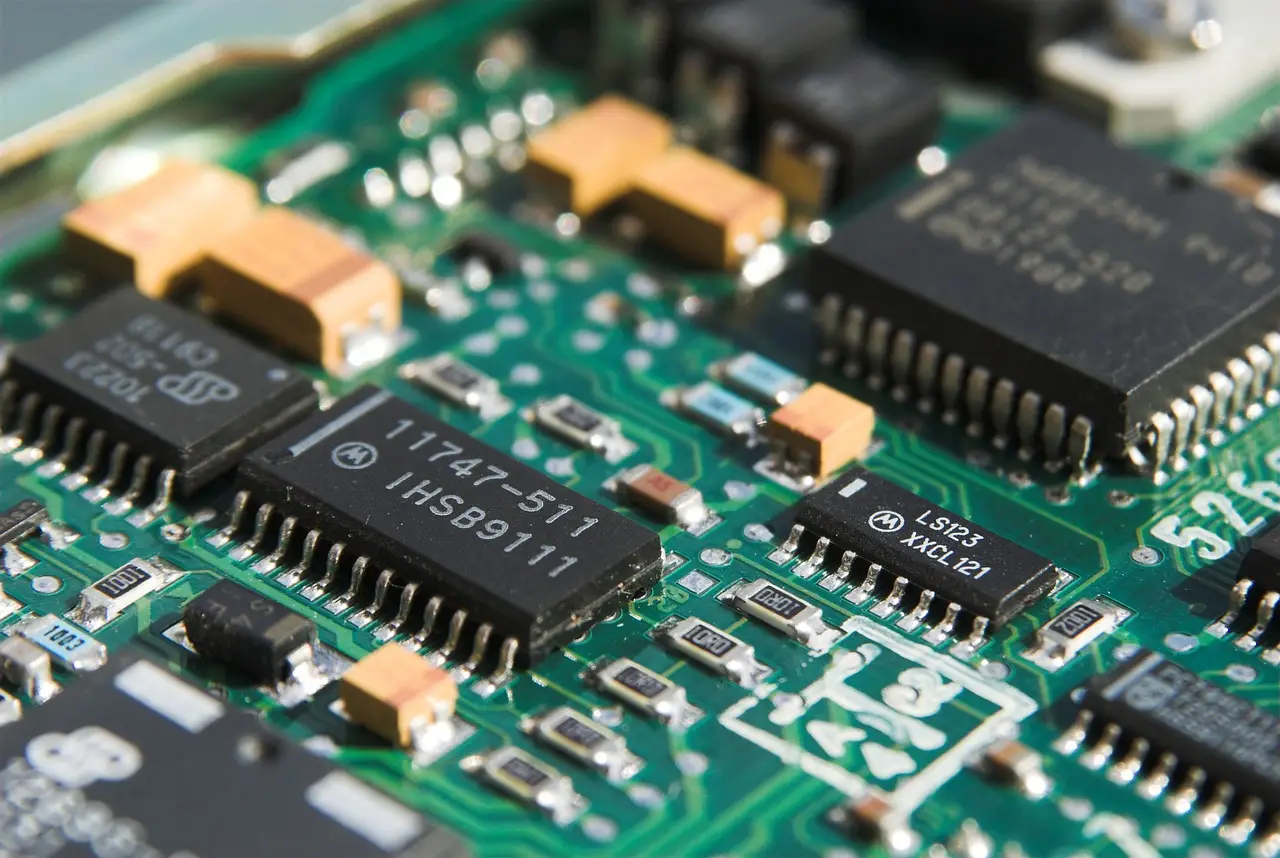
Nvidia shares dropped 5.86% on the 24th, one day after Jensen Huang's reinstatement as CEO sent the chipmaker and its ecosystem surging. The S&P 500 closed down 0.50% and the Nasdaq Composite lost 1.48%, while the Dow Jones Industrial Average gained 0.85%.
The reversal hit Nvidia's supply chain even harder. TSMC fell 3.96%, SK hynix dropped 9.90%, and Micron slid 11.01%. The Philadelphia Semiconductor Index, which had surged 14.03% on the 23rd, gave back 7.88% — that's a swing of nearly 22 index points in two sessions for anyone holding semis through the volatility.
Nvidia's board announced the reinstatement just before the market opened on the 23rd, unanimously restoring Huang as president, CEO and director. The move fully reversed, within five days, board Chairman Harvey C. Jones's Nov. 17 earnings-briefing statement that there was "no intention of bringing back CEO Huang."
What did Trump actually do?
According to The New York Times, President Donald Trump decided late last week to push for Huang's return and gave Vice President JD Vance, who has deep Silicon Valley ties, a special assignment to resolve the situation. Semafor reported that Trump joined an Nvidia board meeting by phone on the 22nd to press for the reinstatement.
Trump confirmed his role in a CNBC interview on the 23rd, saying he persuaded the board and got it done. Bloomberg reported the board did not even consult top executives — including CFO Colette Kress, who had served as interim CEO — before deciding.
The Wall Street Journal reported that Huang also disclosed to the board on the 22nd additional extramarital relationships beyond the two already known. He stepped down on the 12th over alleged affairs with Alice Huang, a woman suspected of being a Chinese agent, and with Kimberly Powell, vice president of the company's healthcare division. Reuters reported a relationship with another female Nvidia employee as well.
The $7.5 billion China connection
Alice Huang is suspected of diverting $7.5 billion worth of Nvidia chips to China through Megaspeed, a Singapore company where she served as an executive. The Journal reported on the 23rd that she had contact with Chinese intelligence agencies during the affair, but no conclusive evidence exists that she carried out an espionage mission. Trump himself told reporters on the 16th that no one had proved she was a spy.
At an all-hands meeting on the 24th, Huang told employees he had made "very serious personal mistakes" and that "the hardest conversation was the one with my wife." He said 90 minutes of daily counseling was helping. He also warned that code-of-conduct violations would not be tolerated — an awkward stance given his own breach of the rule against supervisor-subordinate relationships — while adding that violators wouldn't be thrown out the door immediately.
Why Republicans are joining the probes
A Nov. 24 Wall Street Journal editorial called the intervention regrettable state capitalism, citing last year's pressure on Intel CEO Lip-Bu Tan to resign and the federal government's 9.9% stake as largest shareholder. Yale's Jeffrey Sonnenfeld told the Washington Post this is "not capitalism but Maoism." The Post noted the contradiction of a president who labels adversaries "socialists" while intervening in a free-market company.
Senate Banking Committee Chairman Tim Scott, a Republican, will call Huang for a public hearing on Dec. 3, broadcast live. Huang also faces three House hearings on Dec. 1: Foreign Affairs, Strategic Competition with the CCP, and Intelligence. Senate Intelligence Chairman Tom Cotton wrote on X that the Nvidia-Megaspeed controversy is the tip of the iceberg. Democrats Chuck Schumer and Elizabeth Warren have pledged aggressive investigations, with Warren demanding the board answer on export-control compliance.
Even Attorney General Todd Blanche declined on Fox News on the 23rd to confirm whether Huang had been cleared of national security risks, effectively refusing to defend Trump's same-day claim that the Justice Department found Huang innocent. Secretary of State Marco Rubio, who informed Trump in May about the suspected spy affair, stayed silent.
Is the comeback priced in?
Journal columnist James Mackintosh asked on the 23rd whether Trump has become the shadow chairman of Nvidia's board. Wall Street consensus holds that Huang's return differs from those of Steve Jobs or Sam Altman because it's entangled with affairs and national security breaches. Threats cited include data-center regulation, fragile AI circular trading, and possible Fed rate increases. The worst case: Huang consolidates an imperial position, stumbles again, and Nvidia still has no clear successor.
via en.sedaily.com (Source)
More from Elena Vasquez
Show full bio
Senior reporter covering people, launches and day-to-day practice in hardware layer of artificial intelligence at Die Signal.
770 articles
Same lot
- Philadelphia chip index falls 7.88% as Nvidia CEO returns to helm
- Nasdaq Slips Into Correction as Nvidia Selloff Drags Wall Street Lower
- Nvidia Leads Chip Rout as December Rate Hike Looms
- Nvidia Falls 4.3% as Jensen Huang Resigns; AMD and Broadcom Jump
- Nvidia founder’s return lifts shares over 30%, S&P above 4.5%