Test report DSG-4620 · Rev A · tested November 10, 2026
Supply Chain & PolicyDevice under test
Nvidia Board Opens Inquiry Into Huang as Taiwan Suppliers Weigh Risk
Nvidia's board opened an independent inquiry into Jensen Huang as Taiwan suppliers weigh the risk of a leadership shake-up and weaker ties to the island's technology supply chain.
- Read
- 3 min
- Words
- 672
- Node
- 28nm
- Operator
- Grace Kim
Spec summary
- Nvidia's board announced an independent committee and said Huang will fully cooperate with the inquiry.
- Yale professor Jeffrey Sonnenfeld put Huang's chances of staying at about 50%.
- The Economic Daily News report appeared on the 10th; The New York Times analysis appeared on the 9th.
- Huang takes direct reports from about 60 executives and reads thousands of emails daily.
- Four of Nvidia's 10 directors are longtime Huang allies, including figures linked to founding investors and 1990s partner executives.
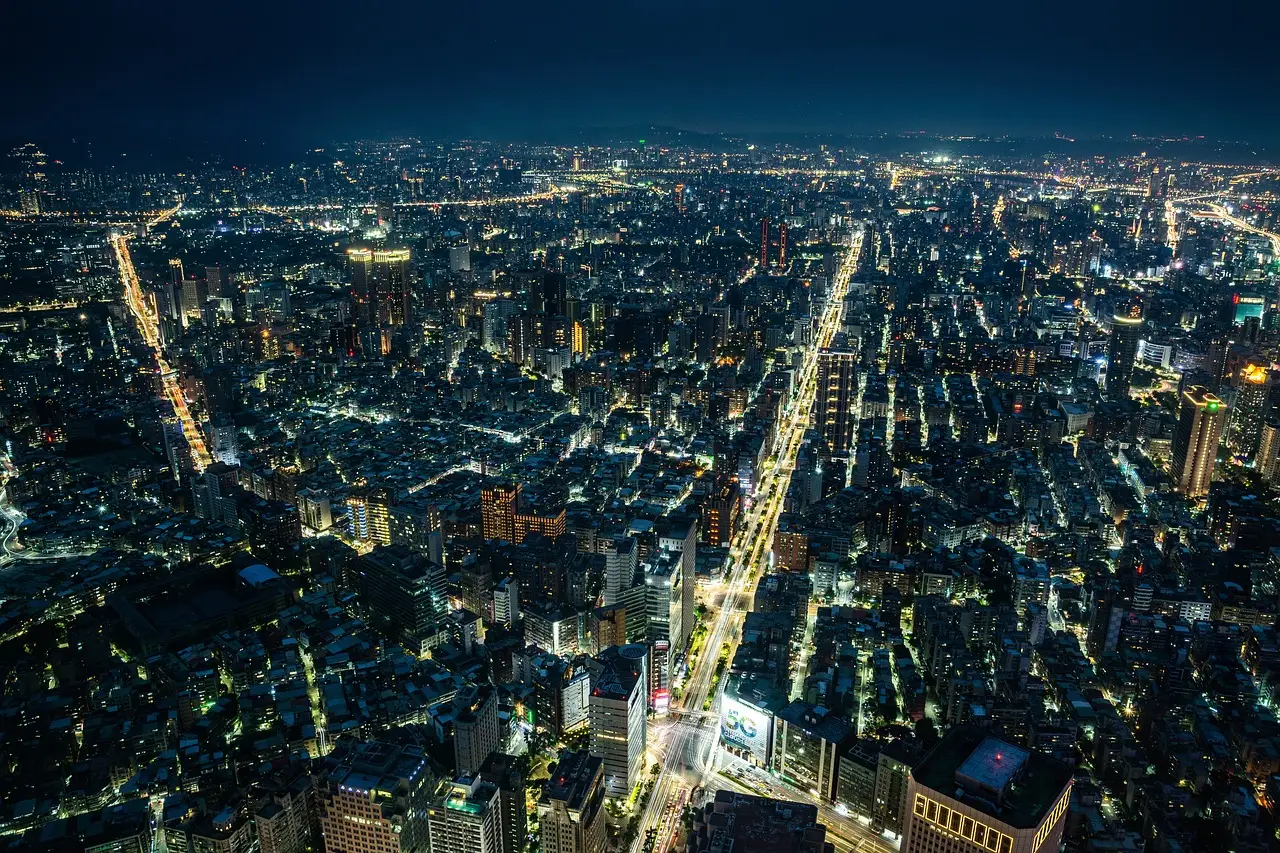
Nvidia's board has decided to investigate chief executive Jensen Huang, with Yale professor Jeffrey Sonnenfeld putting his odds of staying at about 50%.
Taiwan's technology suppliers face a related risk: less predictable senior decision-making at a customer whose chief executive has visited the island several times a year.
On the 10th, the Economic Daily News said "Taiwanese partners are most worried" about Huang losing his post or stepping back from decision-making. The paper said those outcomes could bring a subtle shift in the relationship among Nvidia, Taiwan and the Taiwanese supply chain.
Can Nvidia's board impose meaningful penalties?
The board said it would form an independent committee (a board-appointed review body) to conduct the inquiry. Its statement said the committee would review all available information and that Huang had agreed to support and cooperate fully.
The board also said there was "no basis to believe that national security or Nvidia's confidential information has been compromised." It also expressed confidence in Huang and the management team, language that raised doubts about whether the review could proceed fairly and objectively.
The New York Times argued on the 9th that Huang's sweeping decision-making authority would make discipline difficult. Nvidia has no clear number two (second-in-command) or successor. Huang has been described as leading the company through a reality distortion field (a label for an executive whose influence shapes the organization), much as Apple's Steve Jobs did.
Why do questions about the board's independence arise?
Four of Nvidia's 10 directors are longtime Huang allies. They include figures tied to the venture capital firms (private investment funds that finance start-ups and growth companies) that backed Nvidia at its founding and executives of partner companies from the 1990s.
Former employees said Huang treated the board as a formality rather than a meaningful part of strategy and execution.
His operating structure compounds that concern. Huang rejects a conventional organizational chart, takes direct reports from about 60 executives, personally reads thousands of emails daily and drives projects across the company.
Jeffrey Sonnenfeld, a Yale University professor, told CNBC that past chief executive departures stemmed less from private conduct than from deception of the board and a loss of trust. On that basis, he put Huang's chances of remaining at about 50%.
Why does Huang matter so much to Taiwan?
No other global technology chief executive has visited Taiwan as often. Huang's most recent trip was a surprise visit in August, when he appeared shopping on the streets of Taipei. In June, he delivered the Computex Taipei keynote and toured partner companies' booths. Earlier this year, he attended the year-end party for Nvidia's Taiwan office.
His public backing has also affected partner-company shares. The Economic Daily News said no other chief executive displays every supply-chain partner on screen during a keynote or repeatedly invites supply-chain companies to public banquets. It said Huang directly helped partner shares rise alongside their earnings.
The historical contrast with Apple is clear. Before artificial intelligence drove the industry's growth, Apple was Taiwan's technology sector's largest customer, yet Steve Jobs and Tim Cook never made official Taiwan visits. Apple's former chief operating officer Jeff Williams and current chief operating officer Sabih Khan traveled to meet partners such as TSMC and Foxconn.
Huang also pushed for Nvidia's overseas headquarters in Taiwan over internal opposition. Taiwanese roots likely contributed, the Economic Daily News said, but AMD chief executive Lisa Su, also of Taiwanese origin, has not visited nearly as often.
What does this change for Taiwan's suppliers?
For suppliers, the practical exposure centers on continuity of decision-making at Nvidia. The reported concern centers on the possibility that a temporary step-back or departure alters that relationship; no order or policy change has been reported.
A departure would also remove the executive who has driven supplier recognition, public engagement and share-price support, increasing the chance of subtler supply-chain effects.
via en.sedaily.com (Source)
More from Grace Kim
Show full bio
Market editor covering regulation, policy and their impact on hardware layer of artificial intelligence at Die Signal.
565 articles
Same lot · LOT-3626
- DSG-716065nmNvidia Opens Probe Over Huang and Alleged Chinese Intelligence Ties
- DSG-978745nmNvidia Board Opens Independent Probe Into CEO Jensen Huang
- DSG-886345nmNvidia Board Opens Probe Into Huang Spy Report: Zero Findings Yet
- DSG-610420nmNvidia probe opens as Huang plans China trip with Trump
- DSG-885710nmJensen Huang resigns as NVIDIA CEO with immediate effect