Test report · tested November 25, 2026
Supply Chain & PolicyDevice under test
Nucor Lifts Hot-Rolled Coil to $1,330/Ton as AI Data Centers Push U.S. Steel to 4-Year High
Nucor lifted hot-rolled coil to $1,330 per net ton, a four-year high, as AI data center construction outstrips U.S. supply. Korean flat-rolled imports jumped 68% — even after the 50% tariff.
- Read
- 3 min
- Words
- 578
- Segment
- Supply Chain & Policy
- Operator
- Elena Vasquez
Spec summary
- Nucor raised its hot-rolled coil list price to $1,330 per net ton, up from under $900 a year earlier.
- U.S. imports of Korean flat-rolled steel rose 68% in January–October year-on-year.
- Korean and Vietnamese steel runs about $400 per net ton cheaper than U.S. steel even after the 50% tariff and freight.
- October import license requests for Vietnamese steel totaled 213,000 net tons, more than double September's final volume.
- Local steelmakers are cutting 2027 supply contract volumes, per Wells Fargo analyst Timna Tanners.
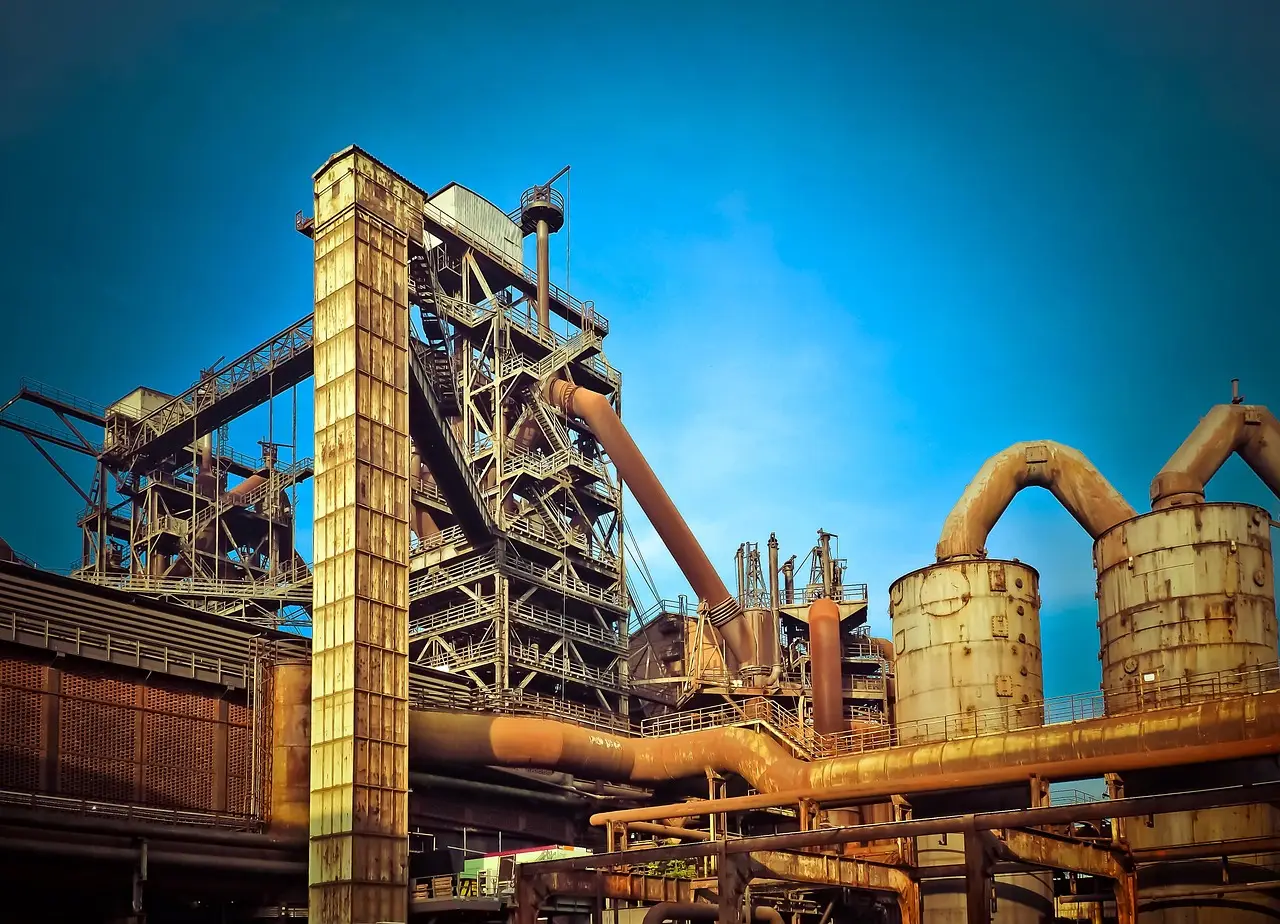
U.S. steel prices have hit a four-year high, and the trigger isn't autos or appliances — it's AI data center construction. Nucor, the country's largest steelmaker, just lifted its list price for hot-rolled coil to $1,330 per net ton (about 907 kg), up from under $900 at this point last year. That's roughly a 48% increase in twelve months, and Nucor has been raising prices every week since this summer, according to the American Iron and Steel Institute data cited by Bloomberg on the 24th.
The demand side is straightforward: AI data centers and the power infrastructure feeding them. Steel goes into the foundations, the equipment, the server racks, and the ductwork for cooling systems. Domestic producers can't keep up, and the gap is now large enough that imports are pouring in despite a 50% tariff.
Why are imports surging despite a 50% tariff?
Because the tariff isn't big enough to close the price gap. Steel from South Korea and Vietnam lands in the U.S. roughly $400 per net ton cheaper than domestic product — and that's after absorbing both the 50% tariff and ocean freight. When your baseline price rises by $430-plus per ton in a year, foreign mills have room to pay the tariff and still clear a profit. Bloomberg noted exactly that: surging demand and higher domestic prices have made the U.S. market profitable for foreign steelmakers even post-tariff.
The numbers show it:
- U.S. imports of Korean flat-rolled steel surged 68% in the January–October period versus a year earlier.
- Import license requests for Vietnamese steel hit 213,000 net tons in October — more than double September's final import volume.
- Vietnam has climbed to fourth place among foreign steel suppliers to the U.S. as of October.
That's an uncomfortable result for a policy designed to shield domestic producers. The Trump administration levied the 50% tariff specifically to protect Nucor, Steel Dynamics and Cleveland-Cliffs. Instead of curbing imports, the price spike has effectively subsidized them.
What does the shortage look like inside the market?
Wells Fargo analyst Timna Tanners described competition to secure volume in the U.S. steel market as intense. Local steelmakers can't meet demand, she said, and are even cutting back on supply contract volumes for 2027 — an unusual move that signals producers are rationing commitments well ahead of delivery.
Citigroup's Alexander Hacking sees three pressures converging at once: data center construction demand, low inventory levels, and seasonal restocking. The result, he said, is a severe supply shortage, and he's not willing to call when it eases.
What should buyers and suppliers expect?
For procurement teams, the practical takeaway is that domestic lead times and contract availability are tightening — 2027 volume cuts mean locking in supply early matters more than price negotiation. For importers and Asian mills, the arbitrage window stays open as long as U.S. list prices keep climbing and the ~$400 per-ton gap holds.
The open question is policy. If imports keep growing at this pace, pressure builds for tariff escalation or quota mechanisms — either of which would squeeze the import channel that's currently doing the work domestic capacity can't. Until new U.S. capacity comes online or data center construction cools, expect prices near the $1,330 mark to hold, and expect Korean and Vietnamese tonnage to keep showing up in the license data.
via en.sedaily.com (Source)
More from Elena Vasquez
Show full bio
Senior reporter covering people, launches and day-to-day practice in hardware layer of artificial intelligence at Die Signal.
776 articles
Same lot
- Samsung Targets Modine in $8 Billion Data Center Cooling Push
- TSMC Targets US$54.3bn in Q4 2026 Revenue as 2nm Ramp Weighs on Margins
- AI data center spending lifts exports, raises recession risk
- SMIC Posts Record $3 Billion Quarter, Raises Wafer Prices
- South Korean Exports on Track for 16th Straight Monthly Increase