Test report DSG-1050 · Rev E · tested November 2, 2026
Supply Chain & PolicyDevice under test
Korea to Cross $1 Trillion Annual Export Mark in November on AI Chip Boom
October exports of $115.28 billion put Korea's ten-month total at $930 billion. Semiconductor sales, up 259.4 percent, carry the country to a historic $1 trillion milestone.
- Read
- 3 min
- Words
- 690
- Node
- 28nm
- Operator
- Grace Kim
Spec summary
- Korea's October exports hit $115.28 billion, up 93.7 percent on year, pushing the January–October total to $930 billion.
- Korea is expected to cross $1 trillion in annual exports in November, becoming the fourth country ever to do so after Germany, the U.S. and China.
- Semiconductor exports surged 259.4 percent to $56.44 billion in October, with memory chips up 360.5 percent to $50.14 billion.
- Exports to the U.S. jumped 185.8 percent to $24.9 billion; exports to China rose 133.6 percent to $26.98 billion.
- The ten-month trade surplus reached $294.9 billion, up $239.1 billion from a year earlier.
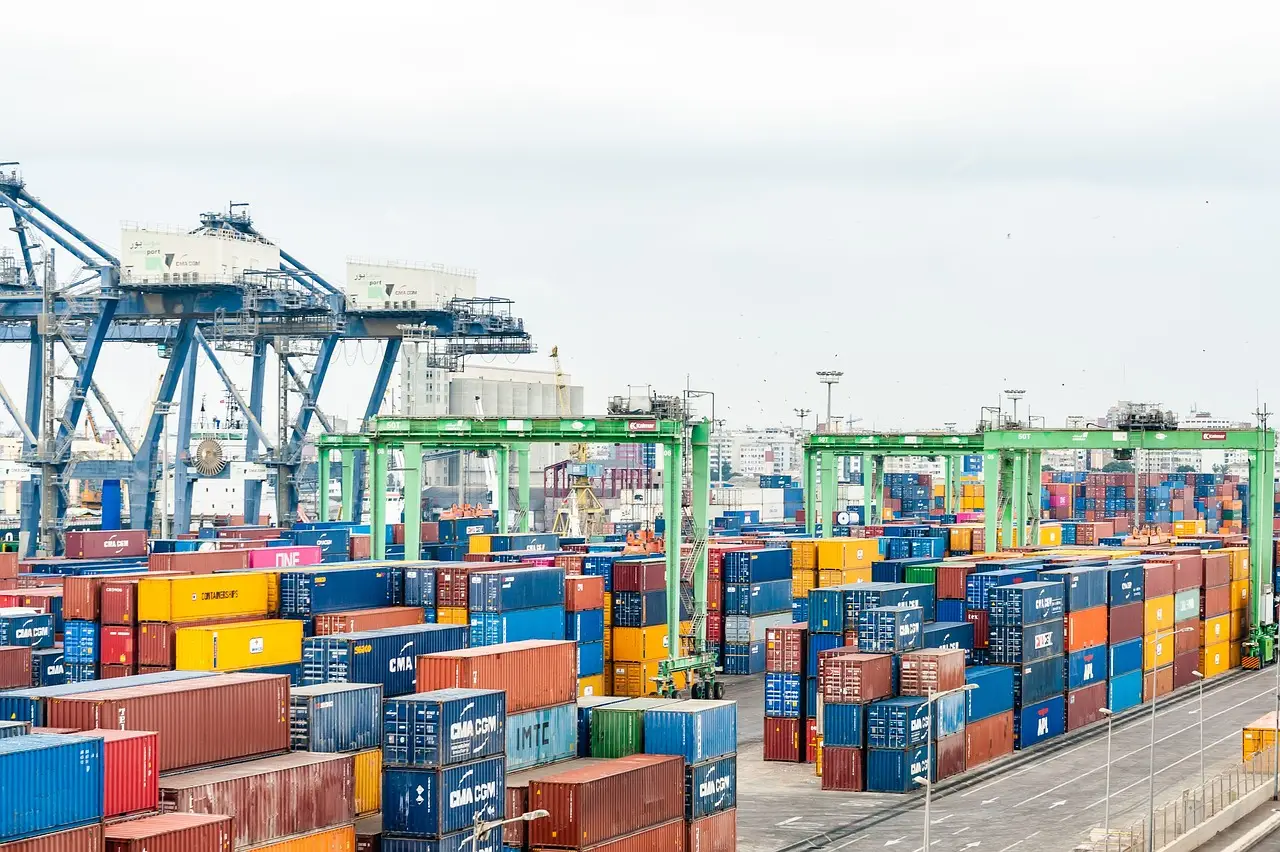
Korea is set to become only the fourth country in history to record $1 trillion in annual exports, with the milestone expected later this month. Cumulative shipments passed $900 billion in the first ten months of the year for the first time, the Ministry of Trade, Industry and Resources announced Sunday, and the AI-driven semiconductor boom is doing most of the pulling.
October exports totaled $115.28 billion, up 93.7 percent from a year earlier. That's the second consecutive month above $110 billion and the second-highest monthly total on record. September set the record: $121.1 billion. Cumulative exports from January through October reached $930 billion, leaving just $70 billion to the trillion-dollar line. At the current pace, Korea crosses it in November.
Only three countries have hit $1 trillion in annual exports before: Germany and the United States in 2006, and China in 2007. China needed 13 years to go from $100 billion to $1 trillion in annual exports; Germany took 30 years, the United States 31. Korea, which first exceeded $100 billion in annual exports in 1995, reaches the milestone in 31 years.
What's driving the number?
Chips, overwhelmingly. Semiconductor exports surged 259.4 percent on year to $56.44 billion in October, the second-highest monthly figure after September's $60.3 billion. Memory chips alone jumped 360.5 percent to $50.14 billion, as global Big Tech companies kept pouring money into AI infrastructure, lifting both demand and prices. Semiconductors accounted for 49 percent of total exports — their share hovered in the 30 percent range from January through April, then climbed to 49.8 percent in September.
What does this change for the rest of Korea's export base? Less than the headline suggests. Non-semiconductor exports rose 34 percent — well below the overall 93.7 percent — and 18 of Korea's 20 major export categories posted gains:
- Computers: up 496.6 percent to $5.85 billion, on AI server investment and demand for server solid-state drives.
- Automobiles: up 18.1 percent to $6.55 billion, an October record, on strong hybrid sales and more working days.
- Petroleum products: up 80 percent in value to $6.92 billion, despite a 7.5 percent drop in shipment volume, as elevated international oil prices lifted export prices.
- Cosmetics, agricultural and fisheries products, and biohealth products: October records, up 57.5 percent, 11.6 percent and 30.2 percent respectively.
- Ships: down 43.6 percent against a high base of large offshore plant exports a year earlier. Consumer goods fell 13.4 percent on weaker fashion accessory shipments, including eyewear and watches.
Where is it all going?
Exports rose in seven of Korea's nine major overseas markets. Shipments to China surged 133.6 percent to $26.98 billion on semiconductors and petrochemicals. Exports to the United States jumped 185.8 percent to $24.9 billion, led by AI-related products. Sales to Association of Southeast Asian Nations (ASEAN) countries climbed 128 percent to $21.33 billion.
Imports rose 36 percent to $72.78 billion, driven largely by a 63.1 percent increase in energy imports as oil prices stayed elevated amid the Middle East conflict. The October trade surplus came in at $42.5 billion — the second straight month above $40 billion. The cumulative surplus for the first ten months hit $294.9 billion, up $239.1 billion from the same period last year.
"Annual exports are almost certain to reach $1 trillion within November," said Trade, Industry and Resources Minister Kim Jung-kwan. "This achievement reflects growing demand for advanced industries, including semiconductors, driven by the expansion of the AI industry, as well as the efforts of Korean companies that have demonstrated their competitiveness despite challenging external conditions."
Kim flagged the unevenness beneath the headline, noting that "many small and midsize companies are still struggling as major economies increasingly prioritize domestic interests and global supply chains undergo restructuring." He added: "We will focus our policy efforts on strengthening trade cooperation with major countries to minimize uncertainty and ensuring that the benefits of export growth extend to small and midsize companies."
via image.koreajoongangdaily.com (Original)
More from Grace Kim
Show full bio
Market editor covering regulation, policy and their impact on hardware layer of artificial intelligence at Die Signal.
565 articles
Same lot · LOT-3609
- DSG-486110nmSouth Korea Nears $1 Trillion Export Year on Chip Sales
- DSG-140345nmChina's Trade Surplus Passes $1 Trillion With Two Months to Spare
- DSG-99335nmAI data center spending lifts exports, raises recession risk
- DSG-90117nmSouth Korea Q3 GDP rises 1.0% as AI chip demand lifts exports
- DSG-913828nmMalaysia's Semiconductor Exports Surge 82.4 Percent Through August 2026