Test report · tested November 22, 2026
Supply Chain & PolicyDevice under test
Korea's China Surplus Hits $43.3B, But Excluding Chips It's a $41.5B Deficit
Korea posted a $43.3B China surplus in ten months, but without semiconductors the deficit widened to $41.5B. Chips made up 63% of exports; auto and battery shortfalls deepened.
- Read
- 3 min
- Words
- 515
- Segment
- Supply Chain & Policy
- Operator
- Amara Osei
Spec summary
- South Korea's trade surplus with China reached $43.3 billion in January–October, its first surplus in four years
- Semiconductors accounted for $124.3 billion, or 63%, of $198.5 billion in exports to China
- Excluding chips, the deficit widened to $41.5 billion, $12.4 billion more than a year earlier
- The auto trade deficit nearly doubled to $4.2 billion; batteries and electrical equipment deficits each widened by about $1 billion
- Consumer goods exports to China rose 8.7% to $3.44 billion in the first half of the year
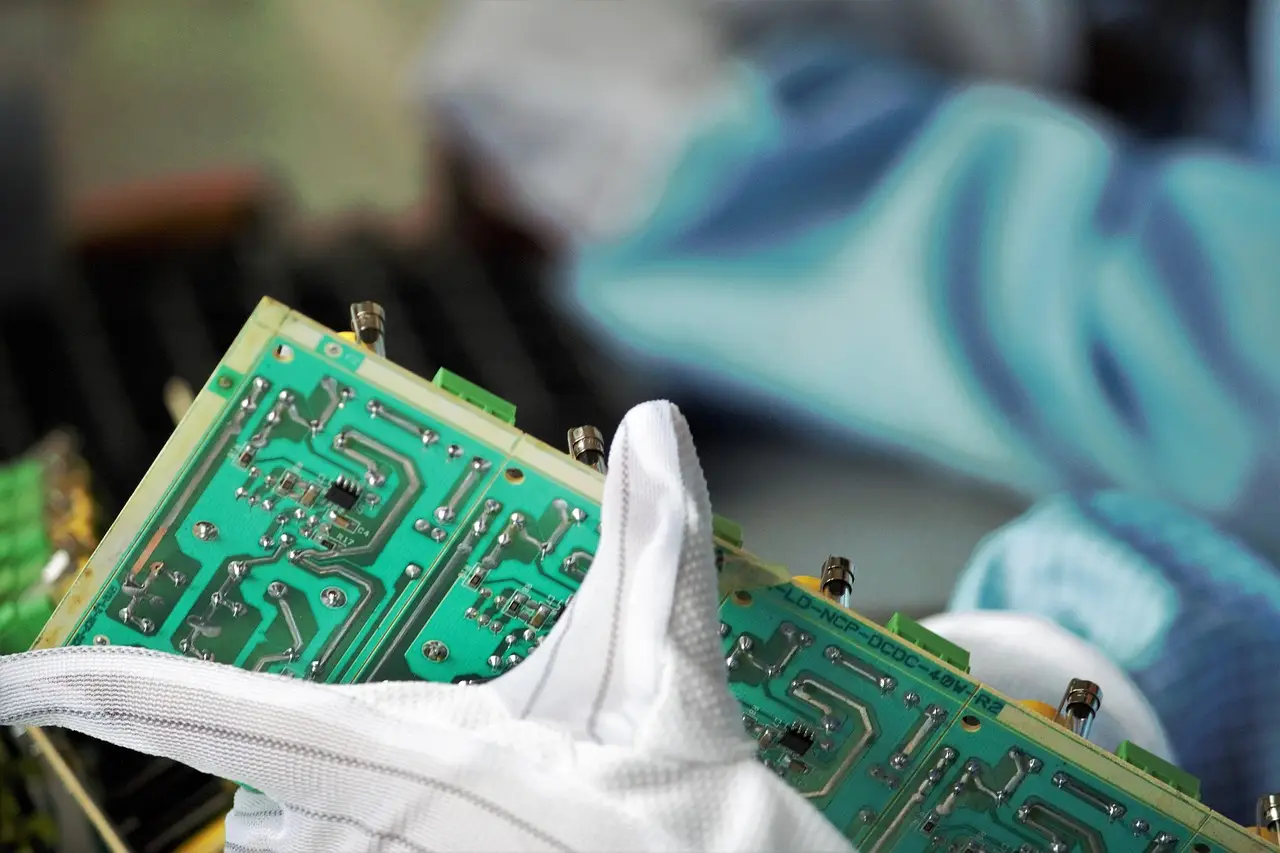
South Korea swung to a $43.3 billion trade surplus with China in the first ten months of this year — its first surplus in four years — yet excluding semiconductors, the deficit widened to $41.5 billion, $12.4 billion more than a year earlier. Data released on the 21st by the Korea International Trade Association (KITA) and the Ministry of Trade, Industry and Energy shows the reversal rests almost entirely on chips.
The surplus reverses a $10.5 billion deficit recorded in the same period last year. The balance had been negative since 2023 until strong semiconductor exports flipped it. In short: one product category carried the turnaround.
How much do chips dominate?
Of $198.5 billion in exports to China from January through October, semiconductors (MTI code 831) accounted for $124.3 billion — 63% of the total. The semiconductor trade surplus grew 4.6-fold, to $84.8 billion from $18.6 billion a year earlier. Chips generated more than enough surplus to cover the deficits in every other category combined.
Where are the deficits concentrated?
- Automobiles: the deficit nearly doubled to $4.2 billion from $2.2 billion.
- Rechargeable batteries: a $4 billion deficit, roughly $1 billion wider year on year.
- Electrical equipment: a $5.7 billion deficit, also about $1 billion wider.
The government attributes the auto gap to rising imports of Chinese electric vehicles combined with falling Korean auto exports to China. For batteries, it said domestic production costs have pushed some companies to import products made at their own plants in China.
"It is hard to view the trade surplus with China as a recovery in overall industrial competitiveness," said Kang Gam-chan, head of the ministry's trade and investment office. "It is a surplus driven by semiconductors across the board."
What strategy changes are on the table?
Analysts argue that boosting non-chip exports requires realigning strategy to match China's industrial upgrading. As China cuts the share of imported intermediate goods it processes for re-export and pushes technological self-reliance, Korea should target equipment, materials and core components that Chinese firms cannot easily replace.
Japanese companies offer a reference point: even as China localized robot production, Japanese suppliers expanded their share of the local industrial robot import market by leading with core components and control technology.
Are consumer goods recovering?
Seoul is also pushing consumer exports. After declining in recent years, consumer goods exports to China rose 8.7% year on year to $3.44 billion in the first half of this year. The ministry supports exporters through organizations including the Korea Trade-Investment Promotion Agency (KOTRA), covering entry into individual Chinese regions, online and offline marketing, and distribution and logistics networks.
Recovery varied sharply by category:
- Agricultural, forestry and fishery product exports rose 11.9% to $1.9 billion in the first ten months.
- Cosmetics exports to China rose 2.7% to $1.8 billion — slow against 32.3% growth in Korea's total cosmetics exports over the same period.
The numbers leave one conclusion: Korea's China account is healthy only where semiconductors sit.
via en.sedaily.com (Source)
More from Amara Osei
Show full bio
Staff writer covering money, funding and market shifts around hardware layer of artificial intelligence at Die Signal.
777 articles
Same lot
- Korea's Exports Double to Record $77.4 Billion in 20 Days
- South Korea to Cross $1 Trillion in Annual Exports This Week
- South Korea Nears $1 Trillion Export Year on Chip Sales
- Korea tops $1 trillion in exports as chips drive 74.5% of growth
- South Korea Crosses $1 Trillion in Annual Exports on 193% Chip Surge