Test report · tested November 27, 2026
Foundries & ManufacturingDevice under test
Intel posts 70% 18A yield, Microsoft details first EMIB plan
Intel's 18A manufacturing yield reached 70%, Microsoft publicly plans to use EMIB for Azure chips, and INTC rose 4.5% to about $56.91 pre-market Friday.
- Read
- 3 min
- Words
- 680
- Segment
- Foundries & Manufacturing
- Operator
- Amara Osei
Spec summary
- INTC rose 4.5% to roughly $56.91 in Friday pre-market trading.
- Intel's 18A manufacturing yield reached 70%, according to Tan.
- Microsoft was the first company to publicly announce plans to use Intel Foundry's EMIB packaging for Azure semiconductors.
- Intel closed at $54.47 after trading as low as $49.16 in the prior session.
- Securities class actions concern alleged misleading PC-market statements from July through October 2026.
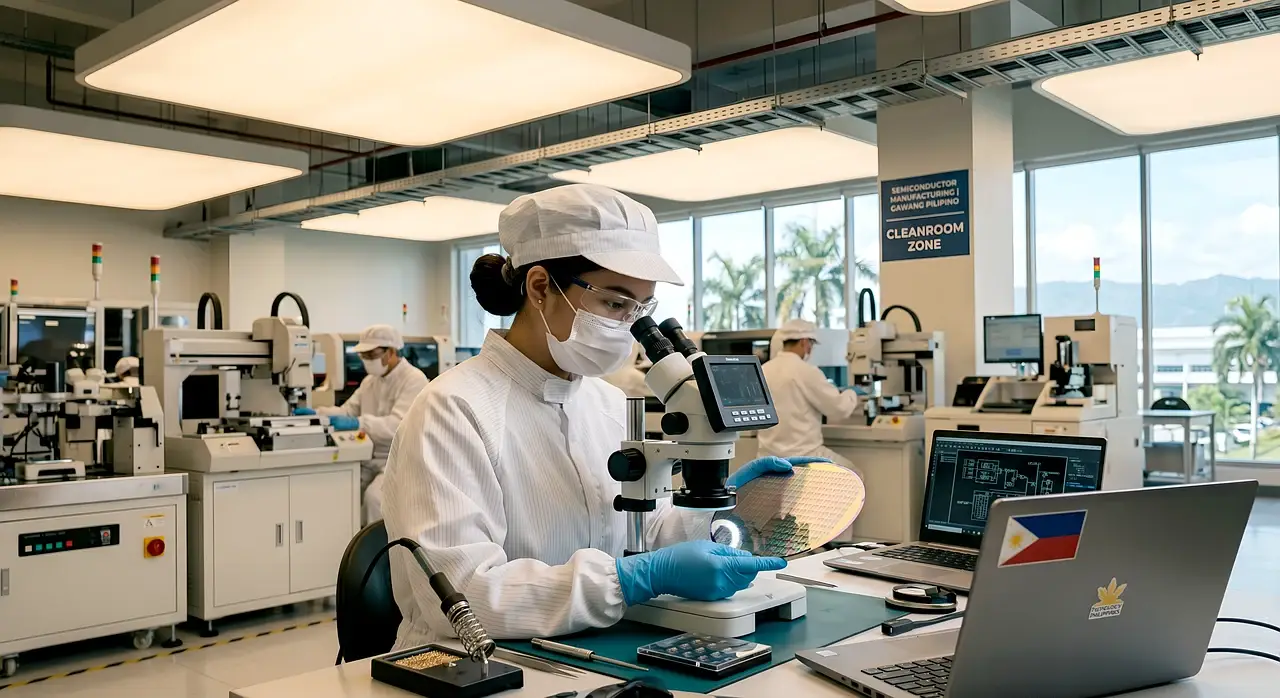
Intel's 18A manufacturing yield reached 70% as Microsoft became the first company to publicly announce plans to use Intel Foundry's EMIB advanced packaging technology for its own Azure semiconductors. The disclosures supplied two company-specific markers for Intel's contract-manufacturing push as the semiconductor sector recovered.
What moved Intel shares?
Intel Corporation (NASDAQ: INTC) rose 4.5% to roughly $56.91 in Friday pre-market trading. Two factors supported the move: a broader recovery across the semiconductor sector and recent signs of progress in Intel's contract chip-manufacturing business.
Friday's quote followed a volatile prior session. Intel shares fell to an intraday low of $49.16, then recovered and closed at $54.47. The pre-market price therefore extended the recovery from the previous session rather than reversing it.
That sequence matters for reading the headline percentage. Intel had already recovered from its intraday low before the 4.5% pre-market advance began, leaving the stock above both the prior close and the session trough.
The sector supplied the broad market support. Intel's foundry developments supplied the company-specific information: a 70% yield figure for 18A and a public EMIB plan from Microsoft.
Takeaway: The pre-market gain combined a sector rebound with two disclosed foundry developments after a recovery from the prior-session low.
What do Intel's foundry updates establish?
Tan indicated that the manufacturing yield for Intel's 18A technology had reached 70%. The figure gave investors a specific operating measure rather than a general statement about foundry progress.
Separately, Microsoft became the first company to publicly announce plans to use Intel Foundry's EMIB advanced packaging technology for its own Azure semiconductors. The announcement identified both the packaging technology and its intended application.
The two developments address separate parts of Intel's effort to expand third-party semiconductor manufacturing. The 18A figure concerns manufacturing yield. The EMIB announcement concerns advanced packaging and a named prospective user of Intel's foundry services.
The available details give no contract value, chip volume, production schedule or revenue contribution for Microsoft's plan. They also identify no external 18A customer. The public plan establishes interest in EMIB but leaves the scale and timing of commercial use unspecified.
Intel therefore has a disclosed yield figure for 18A and a named external user for EMIB. Neither disclosure establishes the commercial scale of Intel's broader foundry business.
Takeaway: Intel paired a measurable 18A yield figure with Microsoft's public EMIB plan, but neither disclosure set out the commercial scale of the business.
What legal uncertainty remains?
Intel still faces legal uncertainty tied to securities class-action lawsuits. The cases concern allegations that the company made misleading statements about challenges in the personal computer market between July and October 2026.
The available information treats those statements as allegations, not established findings. The outcome of the proceedings remains uncertain, and their potential financial implications remain unresolved.
That uncertainty sits alongside the operating questions facing the foundry business. Investors have two sets of evidence to weigh: the 18A and EMIB developments on one side, and unresolved litigation on the other.
Takeaway: The class actions remain an unresolved legal and financial risk because no outcome or quantified exposure has been stated.
What will investors monitor next?
Investors are watching:
- Intel's progress in attracting external manufacturing customers, including the practical development of Microsoft's public EMIB plan.
- Further expansion of Intel's advanced packaging business.
- Intel's ability to address challenges across its existing operations.
- The outcomes of the securities class actions and any financial implications that follow.
The operating items test whether the foundry signals can become broader business. The legal item keeps the legal uncertainty separate from the operating evidence rather than allowing one to stand in for the other.
Takeaway: Customer conversion, packaging expansion and operating progress will test the share-price recovery while the lawsuits remain unresolved.
Intel's $56.91 pre-market quote reflected a 70% 18A manufacturing yield and Microsoft's public EMIB plan, while legal and operating questions remained open.
via tradingview.com (Source)
More from Amara Osei
Show full bio
Staff writer covering money, funding and market shifts around hardware layer of artificial intelligence at Die Signal.
816 articles
Same lot
- Intel, Microsoft expand Azure deal; Intel shares fall 39% in month
- Intel Trades at $62.50 as Server Growth Meets 2027 Risk
- Intel Lands First External 18A-P Foundry Customer as Stock Sits 60% Off Highs
- Intel’s 40.6% Slide Leaves Cash Burn Despite 18A Customer Win
- Intel’s $15B-$16B Q4 2026 Guide Puts 2027 Cash Flow at Risk