Test report · tested November 13, 2026
AI Datacenter InfrastructureDevice under test
Indiantown, Florida Moves Toward One-Year Data Center Moratorium
Indiantown, Florida advanced a one-year data center moratorium that exempts three major projects, including a 5,722-acre hyperscale AI development, with a final vote due November 19.
- Read
- 4 min
- Words
- 710
- Segment
- AI Datacenter Infrastructure
- Operator
- Marcus Bennett
Spec summary
- Indiantown, Florida approved a first reading of a one-year data center moratorium on November 5, with a final vote due November 19.
- The moratorium exempts three in-progress projects: Project Silver Fox (606 acres), Project Growler, and Tesoro Groves (5,722 acres).
- Project Growler sits on a designated Superfund site formerly owned by Florida Steel Corporation.
- All three incumbent councilors criticized for data center support lost their seats in the August 2026 election.
- The council will create a citizens advisory committee to discuss the data center issue.
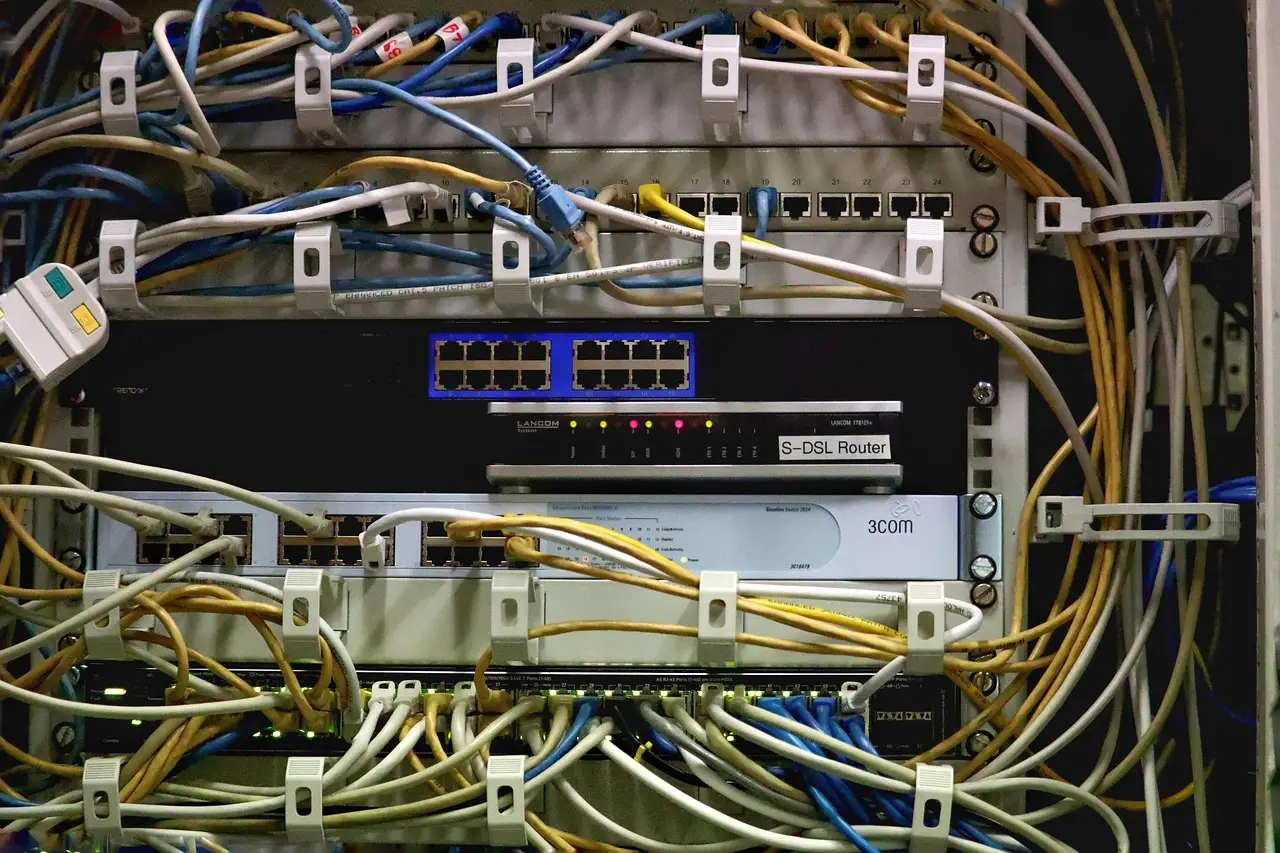
Indiantown, Florida, is one ordinance vote away from a one-year moratorium on new data centers. The measure passed its first reading this week, but it will not touch the three biggest projects already in the pipeline: Project Silver Fox, Project Growler, and Tesoro Groves.
Local officials approved the first reading of the ordinance that would establish the temporary moratorium, setting the stage for a public hearing and a second vote. The measure was first presented at a planning, zoning, and appeals board meeting on November 5 for initial approval. It then moved to a special meeting of the village council on the same day.
The sequence matters. A first reading is not final. The ordinance takes effect only after a second vote, now scheduled alongside a public hearing on November 19.
What does the moratorium actually cover?
At the planning, zoning, and appeals board meeting, officials said the council had agreed to work with developers already in the queue for data centers in the village. The goal was to ensure the language of the moratorium was "appropriate."
The later special meeting revealed the practical effect of that wording. The moratorium would not apply to projects already in progress in the area. Three specific projects were named:
- Project Silver Fox — a 606-acre data center proposed by developers Panatonni and Ferreira
- Project Growler — a proposed data center on a former Florida Steel Corporation mill site
- Tesoro Groves — a 5,722-acre planned hyperscale AI development with battery storage and solar arrays, on land currently owned by Florida Power & Light
Each project carries its own history. Project Silver Fox faced controversy earlier this year, prompting the developers to adjust their proposal to mitigate local impact. Those adjustments included promises that the facility would be "waterless."
Project Growler sits on more complicated ground. The former mill site belongs to the Florida Steel Corporation and is now a designated Superfund site — a heavily contaminated location requiring a long-term, federally overseen cleanup of hazardous wastes.
Tesoro Groves is the largest of the three by far. The 5,722-acre development targets hyperscale AI workloads and includes plans for battery storage and solar arrays.
Indiantown is a village in Martin County, Florida, roughly 42 miles northwest of Palm Beach.
Why is the council acting now?
The politics behind the moratorium trace back to an election. In Indiantown's August 2026 local election, all three incumbent councilors who had been criticized for their data center support were voted out of office.
During the special meeting, councilor Anthony Dowling discussed how new councilors had recently been elected specifically to deal with data center complaints.
"The citizens of this community complained that they were not being told what was happening," Dowling said. "They complained that they were being left out of the decision-making process, information that did not see the light of day."
Dowling went further, framing the vote as a question of value rather than procedure.
"I understand that the council may not have the political will to fight this fight. I understand that we have legal considerations. But I think there's a bigger question to be asked. How much is this worth to our community? How much is our community worth in this moment?"
What happens on November 19?
Two items are on the calendar. The council will create a citizens advisory committee to discuss the data center issue, and it will hold the second public hearing on the moratorium.
The timing gives village staff time to review potential impacts before the final vote.
What does this change for developers and residents?
For developers outside the existing queue, the answer is simple: a one-year pause on new data center applications, assuming the second reading passes. For the three exempt projects, nothing changes — construction and approval processes can continue as planned.
For residents, the practical change is procedural rather than physical. The advisory committee creates a formal channel for community input, something Dowling argued was missing under the previous council. The moratorium itself does not stop the projects that generated the complaints in the first place, including a Superfund-site development and one of the largest planned AI campuses in the region.
The November 19 hearing will determine whether the ordinance becomes law.
via datacenterdynamics.com (Source)
More from Marcus Bennett
Show full bio
News editor covering regulation, policy and their impact on hardware layer of artificial intelligence at Die Signal.
763 articles
Same lot
- Loudoun Freezes 33 Pending Data Center and Substation Applications
- Virginia senator proposes three-year statewide data center moratorium
- Ottawa, Kansas Voters Approve 10-Year Ban on Large Data Centers
- Hermantown Approves Google Data Center After Two Delayed Votes
- OpenAI Commits to Paying Grid Costs in New Data Center Compact