Test report DSG-3872 · Rev A · tested November 3, 2026
AI Datacenter InfrastructureDevice under test
Hyperscalers Line Up $131 Billion in Debt and Equity for AI Buildout
Amazon leads with an $80 billion loan facility as the big four hyperscalers raise over $131 billion in debt and equity, while neoclouds see debt costs spike.
- Read
- 4 min
- Words
- 746
- Node
- 20nm
- Operator
- Grace Kim
Spec summary
- Amazon, Google, Microsoft and Oracle are raising over $131 billion in debt and equity for AI buildout, all disclosed within one week
- Amazon's $80 billion loan facility can be drawn between Q1 2027 and Q3 2028, per an SEC filing
- Google's negative cash flow hit $9.01 billion versus $2.7 billion expected; its stock fell up to 11 percent after hours
- CoreWeave bond yields reached 15 percent, up from 9.67 percent at issuance
- Oracle's $20 billion raise on November 2 completed its $40 billion FY2027 debt-and-equity goal
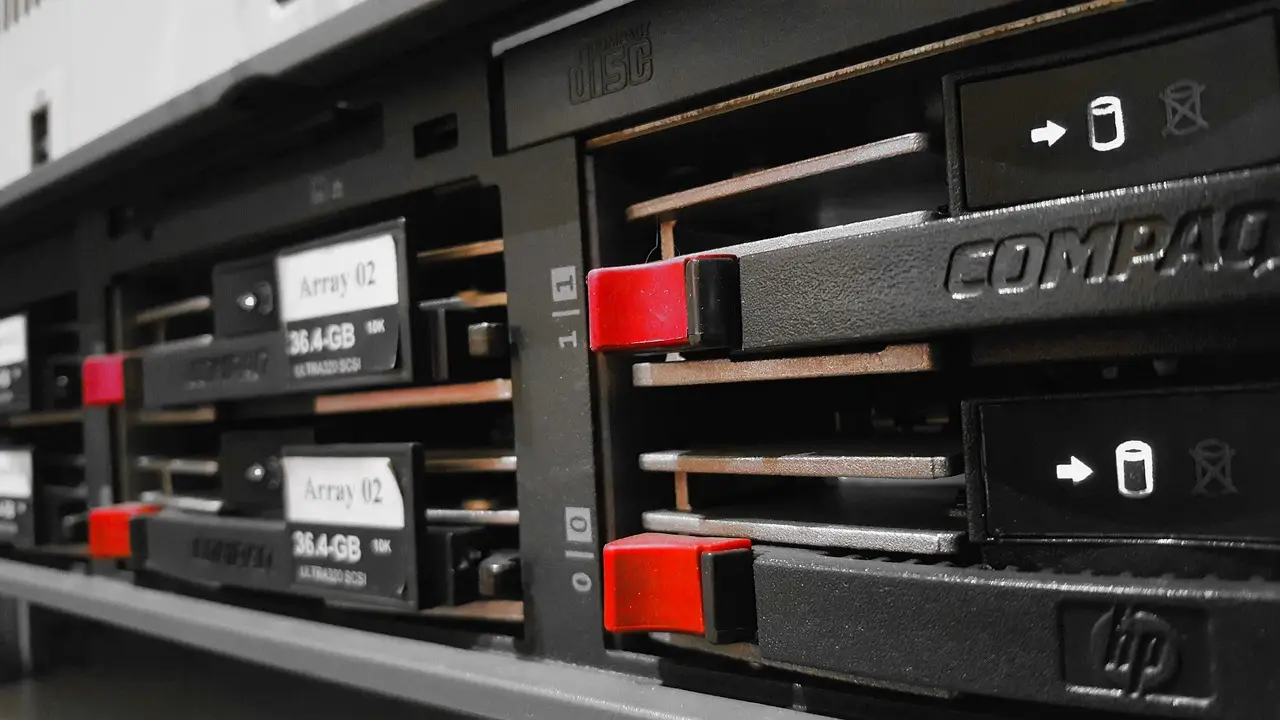
Amazon, Google, Microsoft and Oracle are raising more than $131 billion in combined debt and equity to fund their AI infrastructure buildouts. All four disclosed financing plans within the last week, with Amazon alone accounting for an $80 billion loan facility.
Amazon's facility, disclosed in an SEC filing, sits inside its supplier financing arrangements for technology infrastructure purchases. The company can draw on it between Q1 2027 and Q3 2028. The loan is "subject to variability based on the extent and timing of purchase orders and pricing terms, of up to approximately $80 billion, which accrue interest at variable rates and mature five years from the date of each borrowing," the filing states.
What else does Amazon have on the table?
As of September 30, 2026, Amazon held an aggregate $20 billion in unsecured revolving credit facilities with lender syndicates. That consists of a $15 billion facility from 2023 and a $5 billion one-year agreement dating from 2025.
Amazon's most recent quarter saw more than $77 billion spent on data centers, AI servers, warehouses and other capex — above expectations. The company still expects total year capex to stay in the $220 billion range it first shared in July.
Microsoft, meanwhile, plans to raise $25 billion in bonds to fund infrastructure expansion. "Microsoft intends to use the net proceeds from the offering for general corporate purposes, which may include, among other things, funding for working capital, capital expenditures, repurchases of capital stock, acquisitions, and repayment of existing debt," the company's announcement reads. "The offerings are expected to close on November 4, 2026." The bonds carry rates between 4.85 percent and 6.35 percent.
Microsoft posted quarterly and full-year earnings last week as well. Capex came in at $45.2 billion for the quarter. For 2027, the company projects $170 billion in spending — down from a prior estimate of $175 billion.
How is Oracle funding its share?
Oracle revealed its plans on Monday, November 2: $20 billion total, split evenly between $10 billion in common stock and $10 billion in floating-rate senior notes. "The net proceeds of this offering and the concurrent common stock offering, if completed, will be used for general corporate purposes, which may include capital expenditures, repayment of indebtedness, future investments or acquisitions, and payment of cash dividends on or repurchases of our common stock," Oracle said.
Oracle's capex runs well below its competitors'. The company anticipates full-year spending between $90 billion and $95 billion. On its Q1 FY2027 earnings call, CEO Clay Magouyrk said Oracle completed its previously announced $20 billion equity issuance in Q1 2027. The company had earlier expected to raise $40 billion in debt and equity across FY2027; with the latest issuance, that goal has been met.
Google is offering €6 billion ($6.7 billion) in bonds, with rates between 3.7 percent and 5.25 percent.
The company's share price took a hit after last month's quarterly earnings. Negative cash flow, expected at roughly $2.7 billion, came in at $9.01 billion. CFO Anat Ashkenazi told investors the larger-than-expected figure was "driven by our investments in capex." Google spent $51.36 billion in capex last quarter while maintaining guidance of up to $205 billion in annual spending for 2027, with $300 billion to come in 2028. The stock fell as much as 11 percent in after-hours trading following the announcement.
Is the money still there for smaller players?
While investment-grade hyperscalers tap markets for their buildouts, smaller neocloud companies (niche GPU-cloud providers renting out AI compute) are chasing the same capital at a similar scale. Fortune reports the well is beginning to dry up.
OpenAI recently slashed its fundraising efforts. Companies are watching their ratings slip as debt ramps up and anxiety grows over whether the bet pays off. CoreWeave's bond yields have reached 15 percent, up from a 9.67 percent issuance level — enough for the FT to label it "distressed debt."
The core problem: much of this debt is tied to hypothetical contracts. Demand for AI compute exists, but execution is complicated and hinges on land and power availability, compute hardware and infrastructure. Financing all of it is proving astronomical.
Wall Street veteran Ed Yardeni has posed the question bluntly: "Does enough capital even exist to finance everyone's ambitious AI spending plans?" For the big four, this week at least, the answer was yes — $131 billion worth of it.
via news.microsoft.com (Original)
More from Grace Kim
Show full bio
Market editor covering regulation, policy and their impact on hardware layer of artificial intelligence at Die Signal.
565 articles
Same lot · LOT-360A
- DSG-68345nmAmazon Seeks External Financing for $8 Billion in AI Chips
- DSG-914345nmAWS grows 39 percent but $77bn capex quarter spooks investors
- DSG-991914nmUp to $725 Billion in 2026 AI Capex Meets Fast-Obsolescing Hardware
- DSG-613510nmAmazon Reportedly Eyes $7 Billion Deal for AI Chip Startup
- DSG-195628nmAmazon Reported to Sell $8B in AI Chips and Lease Them Back