Test report · tested November 23, 2026
Processors & AcceleratorsDevice under test
Huang Returns to Nvidia Board as NVDA Shorts Absorb $12.2 Billion Hit
Nvidia reinstated Jensen Huang six days after saying it would not. NVDA opened 33.1% higher at $167.04, and shorts took an estimated $12.2 billion paper hit on the session.
- Read
- 3 min
- Words
- 539
- Segment
- Processors & Accelerators
- Operator
- Priya Raman
Spec summary
- Nvidia reversed course on November 23, six days after stating on November 17 it did not intend to reinstate Huang.
- NVDA opened at $167.04, up 33.1% from Friday's $125.53 close; at 17:18 UTC it traded at $166.41.
- Buyers held 98.5% of the opening gap, with the stock just $0.63 below the session open.
- ORTEX estimated $12.2 billion in paper losses for NVDA short sellers during the session.
- The independent directors' investigation continues; Huang has committed to cooperating.
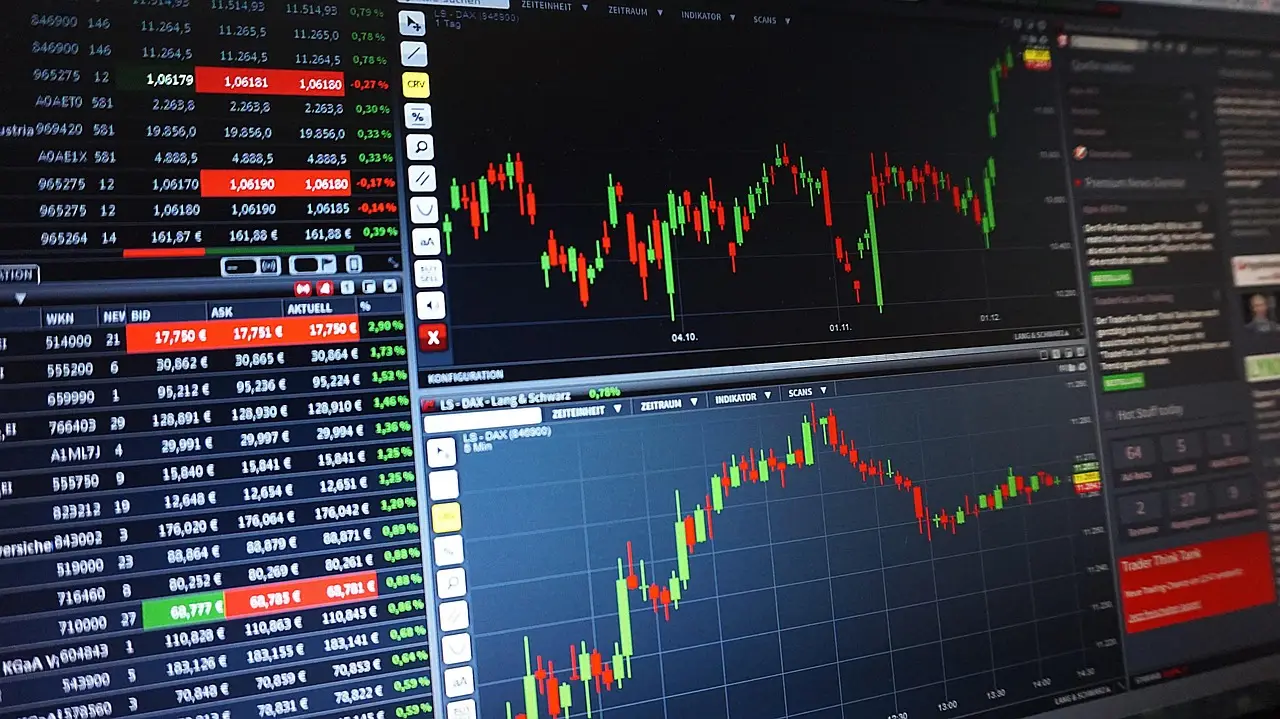
Nvidia short sellers absorbed an estimated $12.2 billion in paper losses during a single session that saw NVDA open 33.1% above its prior close. The figure comes from ORTEX, which measures mark-to-market pressure on short positions rather than confirmed buy-to-cover volume. That distinction matters. Nothing in the number proves how many traders actually closed their shorts by purchasing shares.
At 17:18 UTC on November 23, NVDA traded at $166.41 on Vantage's 30-minute chart, after pulling back from above $170. The stock had opened the regular session at $167.04, up from Friday's $125.53 close. By that late-afternoon mark, buyers had held 98.5% of the opening gap — just $0.63 below the session open.
What changed at the board?
The reversal was fast even by corporate-governance standards. On November 17, Nvidia's board stated it did not intend to reinstate Jensen Huang. Six days later, the company announced his return as president, CEO and board director. President Trump had publicly urged the board to bring him back and welcomed the decision after it was made.
The board cited input from senior U.S. officials in its national-security assessment. The independent directors' investigation remains open, and Huang has committed to cooperating with it. Note what the announcement does not say: no findings, no timeline for the probe's conclusion, and no disclosure of which officials provided input. A reinstatement before an investigation closes leaves the assessment unfinished business.
How did the market react?
The move did not begin with the announcement. NVDA was already up 7.6% before the news broke, and by 14:04 UTC the premarket gain had reached 31%. The regular-session open at $167.04 then printed 33.1% above the Friday close of $125.53.
Two price levels now answer different questions, and traders should not conflate them. A close near $167 would preserve almost the entire opening gain — evidence that the initial bid held. Reclaiming $170 and holding it through a pullback would show something more: buyers willing to defend a higher price rather than merely keep the gap intact. The stock traded above $170 before retreating to $166.41.
Same trades, different motives
The ORTEX figure deserves a second look. A $12.2 billion paper loss measures the squeeze on short positions as the price rose. It does not identify the flow behind it — whether shorts bought shares to close, or whether new longs entered at the highs.
The motivations blur at the same price. A trader who sold on Friday and buys back at $167 may be correcting what now looks like an error. A short covering at the same level may be limiting a loss. Neither decision, taken alone, establishes what Nvidia is fundamentally worth. The price of admission is anchored to Friday's close, and that anchor is a comparison point, not a valuation — the same way a discount sticker means little without knowing the original tag.
One question frames the discipline problem: would you buy at $167 if you had not seen Friday's price? The answer separates conviction from anchoring.
The underlying analysis is personal market commentary and does not constitute financial advice.
via tradingview.com (Source)
More from Priya Raman
Show full bio
Correspondent covering money, funding and market shifts around hardware layer of artificial intelligence at Die Signal.
731 articles
Same lot
- Trump's Nvidia Stake Reached Up to $62 Million by August
- NVIDIA Faces Congress Test After Huang’s Immediate Resignation
- Nvidia falls 4% after Huang’s Thursday exit amid espionage affair
- Nvidia Gained $90 Billion in 10 Minutes on Jensen Huang's Offer
- Nvidia's $247B Loss Figure: Why Reports Disagree by $55 Billion