Test report DSG-3677 · Rev F · tested October 16, 2026
Foundries & ManufacturingDevice under test
GlobalFoundries' $5 Billion Deal Turns Focus to Silicon Tetrachloride
GlobalFoundries' $5 billion semiconductor deal is tightening scrutiny on silicon tetrachloride supply, with knock-on effects for fiber and solar buyers.
- Read
- 2 min
- Words
- 352
- Node
- 3nm
- Operator
- Amara Osei
Spec summary
- GlobalFoundries signed a $5 billion semiconductor deal, per ChemAnalyst.
- The deal spotlights silicon tetrachloride (SiCl4), a key wafer-fabrication feedstock.
- Semiconductor-grade SiCl4 has strict purity requirements met by a limited supplier base.
- Fiber-optic and solar buyers compete for the same constrained SiCl4 supply.
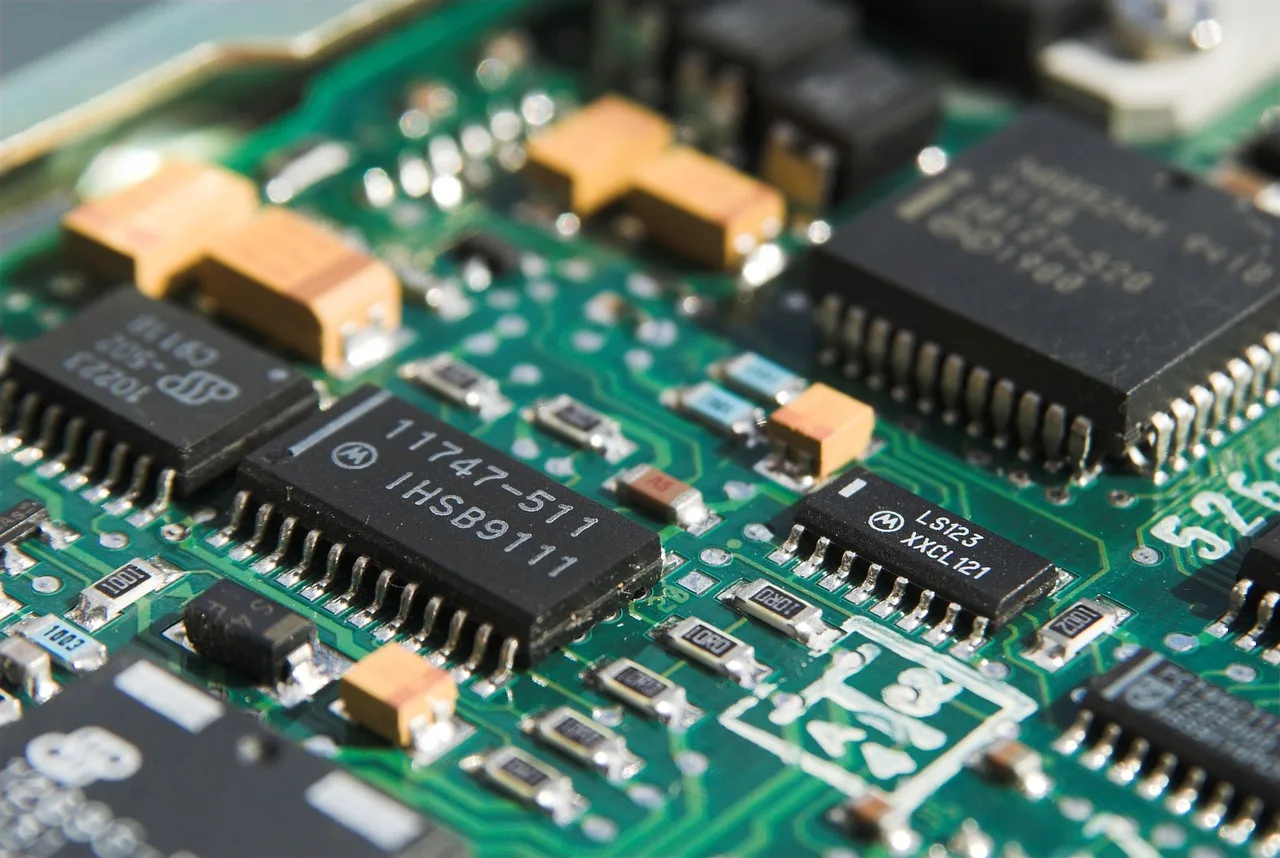
A $5 billion semiconductor agreement involving GlobalFoundries has pulled the supply chain for silicon tetrachloride (SiCl4) into sharper focus, according to a ChemAnalyst report.
The deal, one of the larger single commitments reported in the semiconductor sector this cycle, matters less for its headline value than for what it signals downstream. Wafer fabrication consumes silicon tetrachloride as a core precursor in the production of high-purity silicon materials. Any expansion of fab capacity on the scale implied by a $5 billion commitment tightens demand for that feedstock.
What does the deal change for silicon tetrachloride?
Silicon tetrachloride sits early in the chain that ends in finished wafers. Producers of polysilicon, fused silica and optical fiber depend on it. Semiconductor-grade applications impose the strictest purity requirements, and the number of suppliers qualified to meet them is limited.
When a foundry of GlobalFoundries' rank commits $5 billion to capacity, procurement teams lock in chemical supply years in advance. That shifts bargaining power toward qualified SiCl4 producers and pressures buyers in adjacent segments — optical fiber and solar-grade polysilicon — that compete for the same material.
The report does not yet specify contract volumes or named suppliers. ChemAnalyst frames the deal as a signal event for chemical markets rather than a completed procurement program.
Why does one contract move a chemical market?
Three factors amplify the effect:
- Qualification barriers. Semiconductor-grade silicon tetrachloride requires purity levels that only a small set of producers can certify.
- Capacity lead times. New SiCl4 capacity takes years to bring online; demand arrives faster than supply.
- Downstream competition. Fiber-optic and solar buyers face the same constrained supplier base.
A single large fab commitment therefore ripples outward through pricing and allocation decisions well before any wafer ships.
What comes next?
Market watchers will track whether the deal triggers long-term supply agreements between GlobalFoundries and named SiCl4 producers, and whether spot prices for the chemical move in response. The ChemAnalyst report positions silicon tetrachloride as a commodity to watch as the semiconductor buildout continues.
Five billion dollars bought capacity; the chemistry to fill it now has the market's attention.
via Google News: Semiconductor supply chain (Source)
More from Amara Osei
Show full bio
Staff writer covering money, funding and market shifts around hardware layer of artificial intelligence at Die Signal.
409 articles
Same lot · LOT-C1CC
- DSG-734665nmSEMI forecasts $227 billion in 300mm fab equipment spend by 2029
- DSG-437814nmGlobalFoundries and TSMC strike U.S. silicon interposer supply deal
- DSG-997465nmGlobalFoundries to build two New York fabs under $21bn US-Japan deal
- DSG-30177nmApplied Materials Puts $5 Billion Into Silicon Valley AI Chip Research Hub
- DSG-591428nmTSMC Signs $2 Billion Silicon Interposer Supply Deal With GlobalFoundries