Test report DSG-4193 · Rev B · tested November 16, 2026
Device under test
Four Days After Resigning, Huang Reportedly Eyes Nvidia Return
Four days after resigning, Jensen Huang is reportedly pushing to return as Nvidia CEO. One anonymous "war room" claim, no board confirmation, and earnings due Tuesday.
- Read
- 5 min
- Words
- 923
- Node
- 5nm
- Operator
- Elena Vasquez
Spec summary
- Huang resigned as President, CEO and director on November 12, 2026, effective immediately; Colette Kress became interim CEO.
- The comeback "war room" claim rests on one anonymous Financial Times account summarized by Reuters on November 15.
- Nvidia's stock dropped 8.8% in a single session; Baird cut its price target from $500 to $200.
- Nvidia's board opened an independent investigation with outside counsel and no published timetable.
- Earnings are scheduled for Tuesday, November 17, the first report under Kress; an all-hands is planned for November 18.
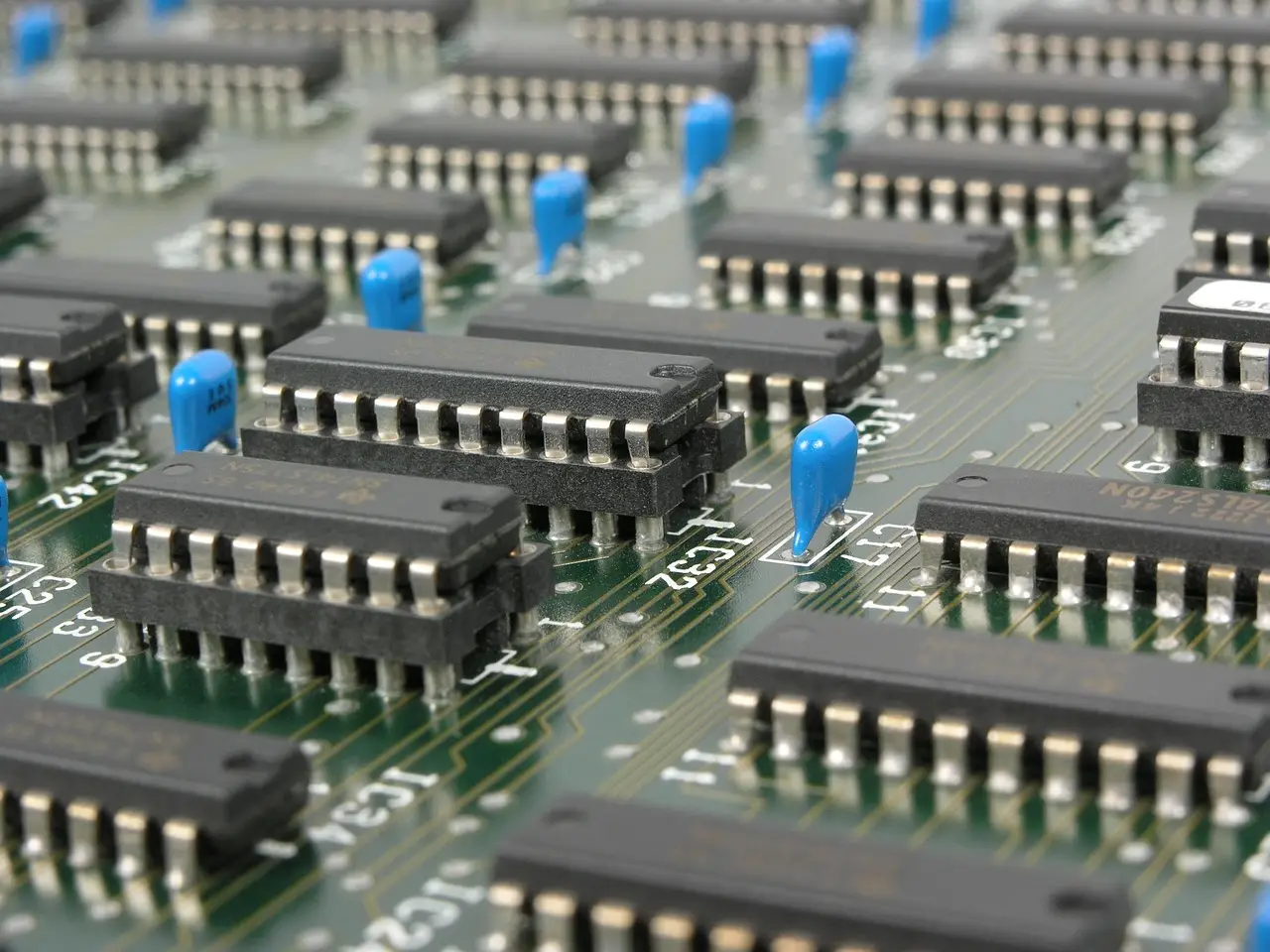
Four days. That's how long it took for reports to surface that Jensen Huang wants his old job back after resigning as Nvidia's President, CEO and board member on November 12, 2026, effective immediately. By November 15, outlets including NDTV, the Australian Financial Review, The Straits Times, Outlook India, Exchange4Media and News Mobile were reporting that Huang is weighing a return and that his allies are organizing around the idea.
The claim traces to a Financial Times account summarized by Reuters on November 15. Huang's backers were reportedly assembling a Silicon Valley executive "war room" to lobby for his return. One ally put it bluntly: "Everyone that matters in tech outside the frontier labs loves Jensen."
Nvidia has confirmed none of this. The board hasn't said it's considering reinstatement, and the company's only formal position remains its November 12 statement.
What does the reporting actually rest on?
Reading the sourcing closely shows how thin the base is. The Reuters summary describes allies, not Huang himself, assembling the effort. The quoted ally is unnamed, described only as a Silicon Valley technology executive. Fox Business relayed that the same ally framed the group as aiming to lobby directors and seek White House support — a detail resting on a single anonymous source that no outlet has verified.
Here's what practitioners should internalize: seven headlines about a war room don't amount to seven confirmations. They amount to one sourced claim repeated through syndication, originally relying on unnamed allies speaking on Huang's behalf. Nothing is on the record about who sits in the group, when it met, or whether any director has taken a call.
What has Nvidia actually confirmed?
The confirmed record is short. The board named Colette Kress, executive vice president and CFO, as interim CEO, and opened an independent investigation overseen by a committee of independent directors with outside counsel. Two sentences carry the most weight. Nvidia said it had "no reason to believe that either national security or NVIDIA secrets were compromised." It also said that "Jensen fully supports the review and has committed to cooperating with it."
NPR and ABC News reported the resignation followed allegations of extramarital affairs, including one with a woman suspected of being a Chinese spy. Those are reported allegations, not findings — no court or regulator has ruled on Huang, and Nvidia's statement doesn't describe the reasons for the resignation.
Why the investigation gates any comeback
Without a published schedule, no director can credibly vote to reinstate a CEO whose conduct is under review. Doing so would invite questions from shareholders and from Washington. BBC reported on November 12 that US lawmakers said Huang agreed to appear before Congress, and Commerce Secretary Lutnick is scheduled to testify on Nvidia's China chip sales on December 10. A reinstatement vote would land in the middle of that.
The sequencing gives the board a clean path: finish the review, publish findings, then address leadership. Allies pushing for a faster answer want directors to reverse that order — which is why the war room story reads as pressure, not evidence of a pending decision. The label itself came from the allies' framing, and the leak may be designed to put public pressure on directors.
What about the interim seat and the old interviews?
Kress is running the company and fronting the earnings call. CNN reported the board is weighing internal and external candidates; no search firm has been chosen. Fortune reported an all-hands meeting planned for November 18, six days after the resignation.
Resurfaced Bloomberg interview remarks read differently now. Huang said: "You're the CEO of the company, for God's sakes. You have to have high standards and expectations." He added: "You have to hold yourself responsible, you have agency." On China policy, he told Bloomberg News: "I think we made a mistake and this mistake is hard to unwind" — quoted by The Wall Street Journal, and relevant because China exposure sits at the center of the national-security questions.
What's at stake for the market and buyers?
The market has already repriced Nvidia once — an 8.8% single-session drop — and Baird cut its price target to $200 from $500. Tuesday's earnings report, the first under Kress, will test whether management can reassure investors without Huang on the call. Any answer from Kress on succession now carries a subtext about whether she expects to keep the chair.
Nvidia says operations, customer commitments and the product roadmap continue without interruption. For buyers of Blackwell-class data center hardware, the practical question is whether orders, allocations and delivery schedules hold; the interim CEO manages many of those commitments herself. Suppliers on multi-year plans get no help from a visible war room, since it raises the odds of a second leadership change inside a year. And CUDA's moat doesn't shift overnight, but a prolonged vacuum gives AMD, Intel, Google TPU and hyperscaler in-house silicon teams an opening to pitch second sources.
What happens next?
Three scenarios: hold the line with Kress, run an open search after the review, or reinstate Huang — which requires a supporting finding nobody has reported exists. Founders like Jobs (1997), Schultz (2008) and Dell (2007) returned to fix business decline; Nvidia isn't in decline, so a reinstatement would need governance justification, not performance grounds. Watch Tuesday's call, the November 18 all-hands, and whether any named ally surfaces. Absent one, treat the comeback as a campaign, not a decision.
via shattered.io (Source)
More from Elena Vasquez
Show full bio
Senior reporter covering people, launches and day-to-day practice in hardware layer of artificial intelligence at Die Signal.
675 articles
Same lot · LOT-362C
- DSG-970745nmOusted Nvidia Chief Jensen Huang Plots Return, FT Reports
- DSG-57463nmJensen Huang Weighs Nvidia Return as Musk Warns Deals at Risk
- DSG-15017nmTrump Open to Jensen Huang Return to Nvidia, Says Spy Claim Unproven
- DSG-89455nmOusted Jensen Huang Plots Nvidia Comeback as Board Refuses
- DSG-62833nmJensen Huang Pushes to Return as Nvidia CEO Four Days After Resigning