Test report · tested November 19, 2026
AI Datacenter InfrastructureDevice under test
Fed Minutes Show Near-Unanimous Worry Over AI Bust Risk
Fed minutes from the October 27–28 meeting show almost all officials discussed AI-bust risk; NVIDIA fell 2.89% to $150.96 while the Fed held rates at 3.75–4.00%.
- Read
- 3 min
- Words
- 694
- Segment
- AI Datacenter Infrastructure
- Operator
- Amara Osei
Spec summary
- Fed minutes released November 18, 2026 show almost all participants discussed AI-investment disappointment risk.
- The committee held the federal funds rate at 3.75–4.00% by a 10–2 vote; Cook and Hammack dissented for a hike.
- NVIDIA closed at $150.96 on November 18, down 2.89%, its lowest close since June 24, 2025.
- NVIDIA's latest quarterly revenue was $115.84 billion, up 103.2%, with $390 billion in supply commitments.
- Over the past month QQQ lost 8.19% and NVIDIA lost 30.46%.
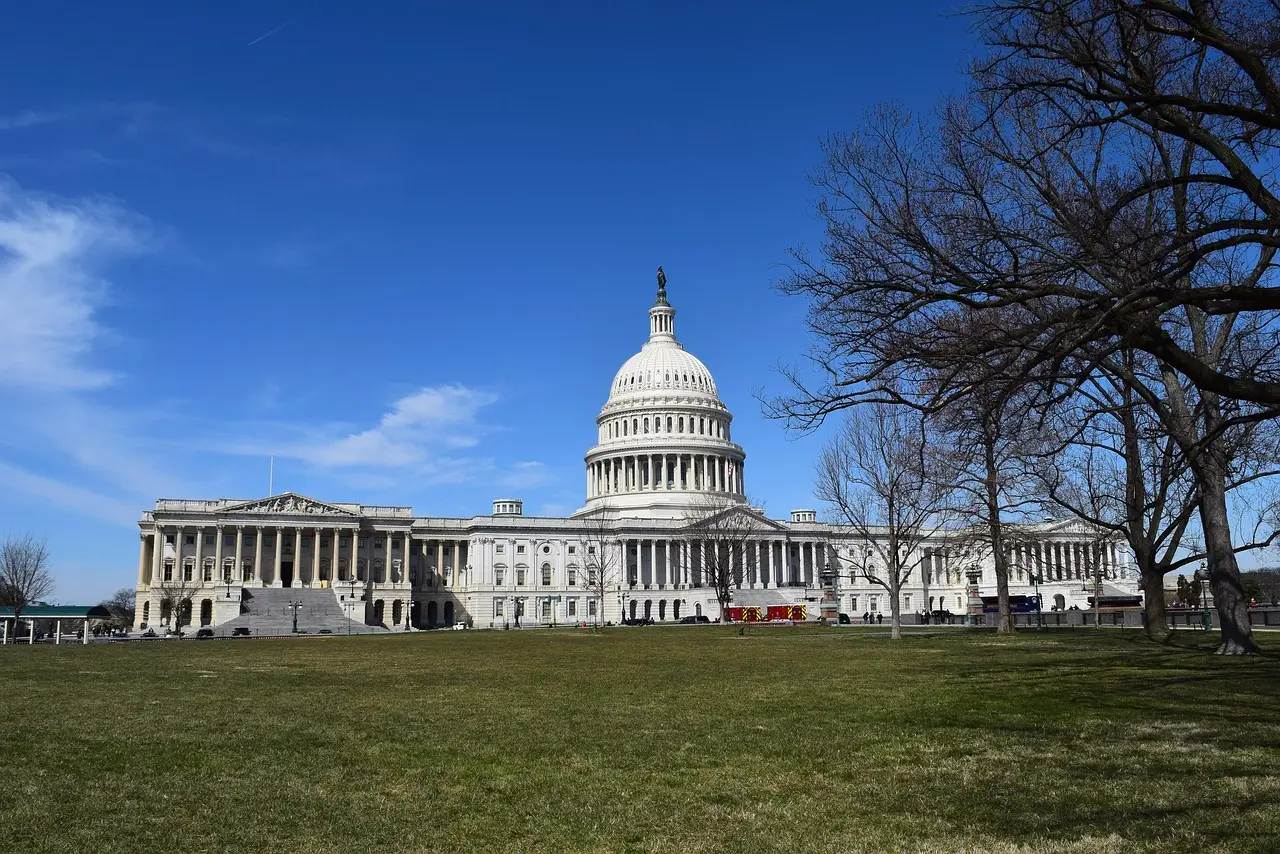
At 2:00 p.m. ET on November 18, 2026, the Federal Reserve released minutes of its October 27–28 meeting, and almost every participant raised the same scenario: returns on AI investment disappointing investors. That near-unanimous focus stands out because it is rare for nearly every official to raise the same scenario in a financial-stability review.
The Fed tracks such scenarios because a sudden repricing of assets can reach the lenders behind them. Policy did not change. The committee held the federal funds rate at 3.75% to 4.00% by a 10–2 vote, with Lisa Cook and Beth Hammack dissenting in favor of a quarter-point rise.
On the same day, NVIDIA (NASDAQ:NVDA) fell 2.89% to $150.96, its lowest close since June 24, 2025, leaving a market value of $3.645 trillion. The Invesco QQQ Trust (NASDAQ:QQQ) rose 0.39% to $659.51. No source links either move to the minutes, but the AI bellwether fell while the broad Nasdaq-100 fund rose.
What do the minutes actually say?
The minutes record a discussion of a risk scenario, described in general terms. Key elements:
- Most participants noted that AI-related debt had grown rapidly, much of it through complex, opaque financing structures.
- A few said AI exposures were becoming concentrated among a small number of firms.
- Fed staff flagged off-balance-sheet leasing commitments and circular financing arrangements among AI-related firms as potential amplifiers of losses.
In circular financing, money moves in a loop between suppliers, investors and customers. An off-balance-sheet lease keeps a long-term payment out of reported debt, so a company can carry more leverage than its balance sheet shows.
How could losses travel?
The New York Fed's markets desk reported that risk sentiment worsened after two leading AI firms posted revenue growth below expectations and a hyperscaler's spending plans needed more financing than investors expected.
High-yield bonds sold to fund data center construction saw an especially notable widening in spreads — the extra yield investors demand over Treasuries. Several participants worried that supervisors may miss banks' indirect exposure through credit lines to private credit funds.
What does this mean for QQQ and NVIDIA?
The concentration warning applies directly to QQQ. As of June 30, 2026, NVIDIA was its largest holding at about 7.6% of net assets, followed by Apple (NASDAQ:AAPL), Micron Technology (NASDAQ:MU) and Microsoft (NASDAQ:MSFT). Over the past month, the fund lost 8.19%; NVIDIA lost 30.46%.
NVIDIA's latest quarter brought in $115.84 billion of revenue, up 103.2%. Yet its filing carries the exposures the Fed described: $390 billion in supply commitments, guarantees of up to $118 billion that would bite if returns disappoint, and three customers accounting for 14%, 11% and 11% of revenue.
How could AI spending shape rates?
The rate effect works in both directions. Many participants called the AI buildout a material source of inflation risk. A number said closer scrutiny of AI returns and financing could slow AI spending and ease inflation. A slowdown that hurts NVIDIA could help the rate-sensitive stocks inside QQQ.
Interim CEO Colette Kress said on the November 17 earnings call that "demand continues to meaningfully outstrip supply." That assessment comes from the seller of the chips, so it likely carries less weight than the Fed's warning for investors weighing the risk.
Where do AI stocks stand now?
The bull case rests on cash: NVIDIA trades at about 10 times forward earnings, and the average analyst target is $265.23. The bear case is that this cash depends on financing the Fed now calls opaque and concentrated; if returns disappoint, those commitments and guarantees turn into losses.
The AI theme still holds up better than the minutes imply, because revenue continues to run ahead of the debt the Fed is worried about. That view fails if data center bond spreads keep widening before the December 8–9 meeting, or if NVIDIA closes below its 52-week low of $148.80.
The Fed's warning, not the chipmaker's demand signal, is the number investors now watch.
via 247wallst.com (Source)
More from Amara Osei
Show full bio
Staff writer covering money, funding and market shifts around hardware layer of artificial intelligence at Die Signal.
793 articles