Test report DSG-7913 · Rev B · tested October 18, 2026
Memory & StorageDevice under test
CXMT Targets Next-Gen DRAM; Cost Competitiveness in Question
China's CXMT is developing next-generation DRAM, but The Investor asks whether the company can compete on manufacturing cost against incumbent memory suppliers — a question the market, not the roadmap, will answer.
- Read
- 2 min
- Words
- 381
- Node
- 14nm
- Operator
- Amara Osei
Spec summary
- China's CXMT is pushing into next-generation DRAM development, The Investor reports.
- The report's headline frames cost competitiveness as the open question.
- CXMT (ChangXin Memory Technologies) is China's leading domestic DRAM developer.
- No verdict on cost parity appears in the report's framing.
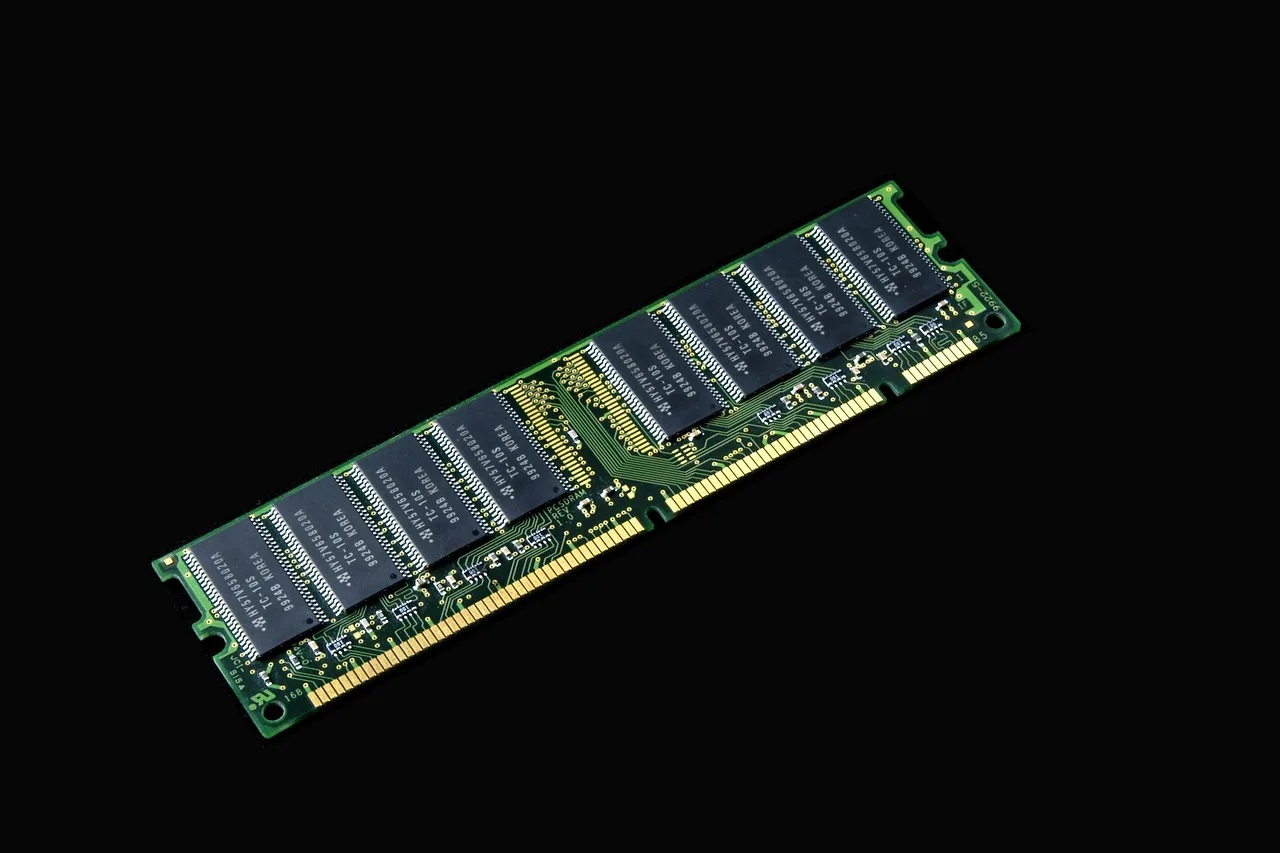
China's CXMT is pushing into next-generation DRAM development, but the central question now is whether the company can match rivals on manufacturing cost.
The report, published by The Investor under the headline "China's CXMT pushes into next-gen DRAM, but can it compete on cost?", frames the company's advance as technically real and economically unresolved. CXMT — ChangXin Memory Technologies, based in Hefei — has positioned itself as China's leading domestic DRAM developer.
What does the headline establish?
Two concrete claims:
- CXMT is moving its DRAM technology toward next-generation nodes.
- Observers question whether the company can produce at costs competitive with established suppliers.
The Investor does not resolve that question in its framing; the interrogative headline signals an open debate rather than a verdict.
Why does cost matter in DRAM?
DRAM is among the most capital-intensive segments in semiconductors. Incumbent producers invest tens of billions of dollars per fabrication site, and per-bit cost determines whether a supplier can price profitably in a market famous for cyclical oversupply.
A challenger that closes the technology gap but lags on cost per bit can win design slots yet fail to earn sustainable margins. That tension — technical parity versus economic parity — sits at the center of the report's question.
Who is CXMT?
ChangXin Memory Technologies operates China's most advanced domestic DRAM program and has ranked as the country's primary candidate to challenge the incumbent suppliers that dominate global memory output. Its progression toward next-generation nodes marks each step as a measurable benchmark against that dominance.
What does the cost question turn on?
For any memory entrant, competitiveness rests on measurable factors:
- Yield rates at each new process node.
- Capital expenditure per unit of output.
- Access to advanced fabrication equipment under export-control regimes.
- Scale sufficient to spread fixed costs across volume.
The Investor's headline implies at least one of these remains contested, even as the technology roadmap advances.
What happens next?
The market will answer the cost question through results rather than announcements: pricing behavior, shipment volumes and capacity disclosures from CXMT relative to the established DRAM makers.
Until those numbers land, the report's question stands. CXMT is building next-generation DRAM; whether it can build it cheaply enough is the test ahead.
via Google News: HBM memory (Source)
More from Amara Osei
Show full bio
Staff writer covering money, funding and market shifts around hardware layer of artificial intelligence at Die Signal.
428 articles
Same lot · LOT-C1CE
- DSG-925614nmCXMT Pushes Into Next-Gen DRAM, But Can It Compete on Cost?
- DSG-45297nmCXMT Claims Advanced DRAM Mass Production, Targeting Big Three
- DSG-206265nmCXMT Closing the Gap on Korean Memory Makers, Report Finds
- DSG-35605nmCXMT Memory Breakthrough Puts Global Chip Rivals on the Back Foot
- DSG-883065nmCXMT Memory Breakthrough Puts Global Chip Rivals on the Back Foot