Test report DSG-7111 · Rev F · tested September 30, 2026
Memory & StorageDevice under test
CXMT Confirms Fifth-Generation DRAM Platform in Mass Production
CXMT Corporation states its fifth-generation DRAM platform has entered mass production, adding a new advanced-node supplier to the concentrated global memory market. Volume and pricing details remain undisclosed.
- Read
- 2 min
- Words
- 419
- Node
- 7nm
- Operator
- Grace Kim
Spec summary
- CXMT Corporation announced its fifth-generation DRAM platform has entered mass production.
- The company did not disclose volumes, yields, node designation, or customer details.
- The move adds advanced-node DRAM capacity to a market dominated by Samsung, SK hynix, and Micron.
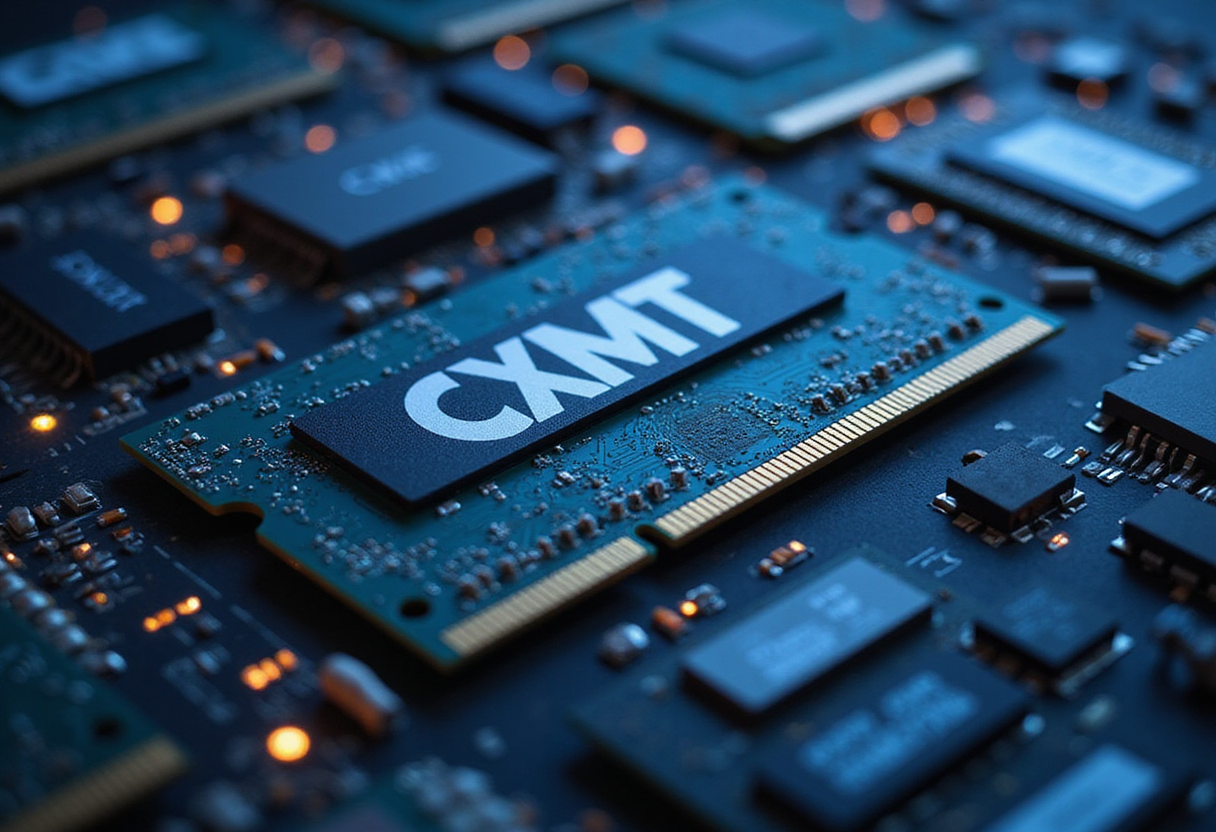
CXMT Corporation has announced that its fifth-generation DRAM platform has entered mass production. The company disclosed the milestone without detailing volumes, target customers, or pricing, but the statement confirms that the Chinese memory manufacturer has moved its newest process generation from development into commercial output.
The announcement positions CXMT as one of the few DRAM producers worldwide operating a fifth-generation platform in volume manufacturing. The DRAM industry remains highly concentrated, with Samsung, SK hynix, and Micron controlling the majority of global bit output. Any supplier that brings an additional advanced node into mass production adds effective capacity to a market that cycles tightly between shortage and oversupply.
CXMT, based in Hefei, China, has expanded its DRAM operations steadily over recent years, moving through successive platform generations. Each generational transition in DRAM production typically delivers higher bit density per wafer and lower cost per bit. The company has not published density figures, yield rates, or wafer starts for the new platform alongside the statement.
The mass production claim signals that the platform has cleared qualification and that output is shipping or ready to ship. For buyers, an additional high-volume source of advanced DRAM matters directly: the product sits in the same competitive space as memory used in servers, PCs, and mobile devices, segments where supply concentration has historically translated into sharp price swings.
Market impact depends on scale. If CXMT ramps the fifth-generation platform aggressively, it could add measurable bit supply to the global market and pressure pricing at a time when incumbent producers manage output carefully. If initial volumes remain modest, the near-term effect on spot and contract prices stays limited, and the announcement serves primarily as a marker of technical progress.
No start date for the production ramp, fab location, or specific product family tied to the platform was included in the announcement. CXMT has also not stated which node designation it assigns to the fifth generation or how the platform compares dimensionally with competitors' current offerings.
The disclosure nonetheless carries weight for the competitive picture. A fifth-generation platform in mass production indicates sustained investment through the full development cycle, from design and pilot runs to qualified volume output. That trajectory matters for customers evaluating long-term supply diversification and for competitors modeling future global bit supply.
Die Signal will track follow-up disclosures on capacity, yields, and customer qualification for the platform, along with any pricing effects visible in DRAM contract markets as output from the new generation reaches distribution channels.
via Google News: DRAM chip (Source)
More from Grace Kim
Same lot · LOT-C1D0
- DSG-27037nmCXMT's Fifth-Generation DRAM Platform Enters Mass Production
- DSG-622514nmCXMT Puts New Memory-Chip Platform Into Mass Production
- DSG-90773nmCXMT Starts Mass Production of G5 DRAM as HP and Dell Qualify Parts
- DSG-818765nmHP, Asus, Acer Quietly Adopt Limited CXMT Chips as DRAM Supply Tightens
- DSG-42853nmCXMT Plans NAND Flash Entry as Global Shortage Reshapes Market