Test report DSG-5848 · Rev A · tested November 12, 2026
Supply Chain & PolicyDevice under test
Culper's Dismissed Nvidia China Report Gets a Second Life
Christian LaMarco's 40-page Culper report on Nvidia's China chip flows was mocked in May. After intelligence-linked allegations surfaced, everyone is praising him, he says.
- Read
- 3 min
- Words
- 637
- Node
- 3nm
- Operator
- Grace Kim
Spec summary
- Culper Research published its 40-page report 'Nvidia: The China Problem' on May 13.
- Nvidia shares fell about 25% from May 13 to Nov. 10.
- Culper estimated over 20% of fiscal 2026 computing-segment revenue was linked to Chinese demand via Southeast Asian intermediaries.
- Megaspeed spent $2.9 billion on Nvidia-equipped servers in 2024 despite limited assets at end-2023.
- The Wall Street Journal reported Nov. 11 that Nvidia's board is weighing removing Huang as CEO.
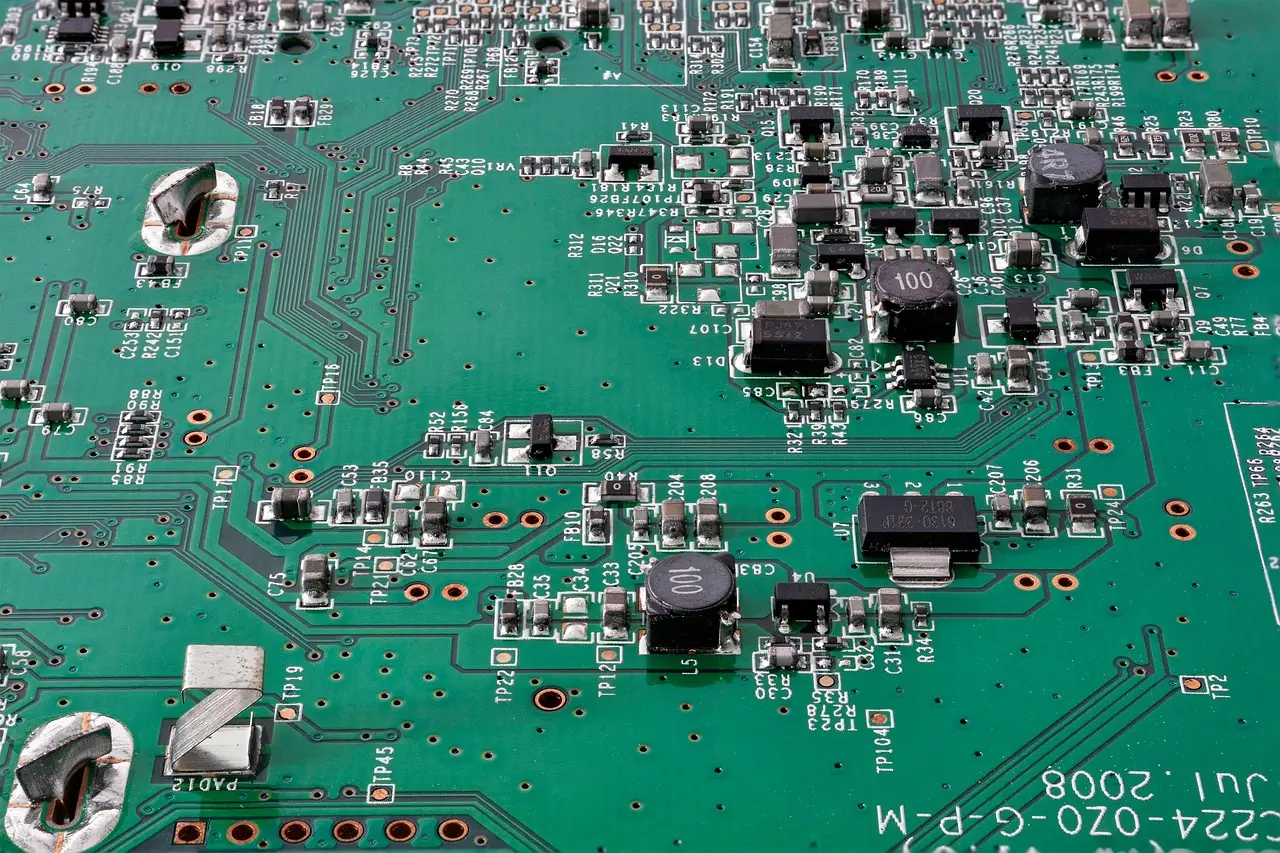
Nvidia stock fell roughly 25% between May 13 and Nov. 10 — the exact window separating a short seller's dismissed 40-page report from its sudden rehabilitation. Christian LaMarco, 31, founder of New York-based short-selling firm Culper Research, published "Nvidia: The China Problem" on May 13. The market laughed. Now it's listening.
What did the report actually claim?
According to The New York Times and The Wall Street Journal, both reporting on the 11th, LaMarco argued that Nvidia's advanced chips had flowed into China in circumvention of U.S. export controls. The core of the case ran through Alice Huang — also known by her Chinese name Huang Le — a former senior executive at Megaspeed, a Singapore-based data center company.
LaMarco described her relationship with Nvidia CEO Jensen Huang as "uncomfortably close." He cited photographs and video of the two together at several events. Notably, the report did not allege an extramarital relationship between them.
The numbers were specific:
- Culper estimated more than 20% of revenue in Nvidia's computing segment for fiscal 2026 was tied to Chinese demand routed through Southeast Asian intermediaries.
- Megaspeed had limited assets at the end of 2023, yet spent $2.9 billion the following year on servers equipped with Nvidia chips — a pattern Culper called a suspicious transaction trail.
- The report raised the possibility that Megaspeed had received funding from China's Alibaba.
These are claims by a short-selling firm. Illegal transshipment and espionage have not been confirmed.
How did the market react the first time?
Coldly. Nvidia shares rose on the day of publication and hit a record high the next day. LaMarco was flooded with messages disparaging him or warning him to be careful.
He built the report by contacting current and former Nvidia officials, analyzing corporate filings in Singapore and Malaysia, and reviewing video footage shot in Taiwan. The work didn't matter to the market in May. It does now.
The shift came with recent reports that U.S. intelligence agencies suspected Alice Huang of links to Chinese intelligence services. Jensen Huang separately acknowledged in a letter to employees on the 8th that he had an extramarital relationship and apologized to his family. The letter did not identify the other person.
Culper's report spread again online. LaMarco's posts drew millions of views.
"Everyone mocked us, and now everyone is praising us," he told the Times. He told the Journal that this time it seemed to have taken six months for people to pay attention.
What does this change for investors?
Short selling is an investment approach that profits when a share price falls. Culper disclosed at publication that it held a short position betting on a decline in Nvidia shares — meaning the report carried a built-in financial interest in driving the stock lower. That factor has to be weighed.
The tape partially vindicated the trade. Nvidia rose immediately after publication but trended lower over the following six months, losing about 25% from May 13 to Nov. 10. It has not been confirmed how much LaMarco earned, and he has not disclosed whether he still holds the position.
One caveat matters. Renewed scrutiny of the ties between Huang and Alice Huang does not prove the chip transshipment allegations in the report. The personal and the geopolitical threads may be separate.
Is Huang's job on the line?
Separately, the Journal reported on the 11th, citing sources, that Nvidia's board was weighing the possibility of removing Huang as chief executive. The Times the same day raised additional allegations of an affair involving an Nvidia executive, widening the controversy over Huang's future at the company.
For a stock that spent six months declining while its CEO's conduct drew belated scrutiny, the boardroom question is now the one to watch.
via en.sedaily.com (Source)
More from Grace Kim
Show full bio
Market editor covering regulation, policy and their impact on hardware layer of artificial intelligence at Die Signal.
565 articles
Same lot · LOT-3628
- DSG-781514nmNvidia Shares Drop Nearly 7% as CEO's Affair With Suspected Chinese Agent Surfaces
- DSG-60553nmReport: $7.5 Billion in Nvidia Chips Routed to China via CEO Affair
- DSG-73273nmNvidia Board Opens Spy-Plot Probe as Trump's $5M Stake Draws Fire
- DSG-11593nmMegaspeed exec Alice Huang investigated over alleged China spying
- DSG-15877nmDocuments Confirm Smuggled Nvidia Chips Reached Alice Huang-Linked Firm