Test report DSG-1273 · Rev D · tested November 11, 2026
Memory & StorageDevice under test
Citi Trims 2027 DRAM Gap to -3.8% as TeamGroup Warns of Worse
Citi cut its 2027 DRAM gap to -3.8% from -8.7%; TeamGroup's CEO says the shortage peaks Q4 2026 to Q2 2027 and balance may not return before H2 2028.
- Read
- 4 min
- Words
- 704
- Node
- 28nm
- Operator
- Amara Osei
Spec summary
- Citi revised its 2027 DRAM gap to -3.8% from -8.7% and NAND to -3.3% from -6.1%, reported Nov. 3, 2026.
- TeamGroup's CEO said on Nov. 2 the shortage peaks Q4 2026 through Q2 2027, with no balance before H2 2028.
- A 16Gb DDR5 contract chip rose from $8.70 in October 2025 to about $48 in September 2026.
- Spot purchases carried a 30% to 50% premium over contract prices, per coverage of the call.
- TeamGroup's B2B share of revenue jumped from 24.6% to 64.6% year over year.
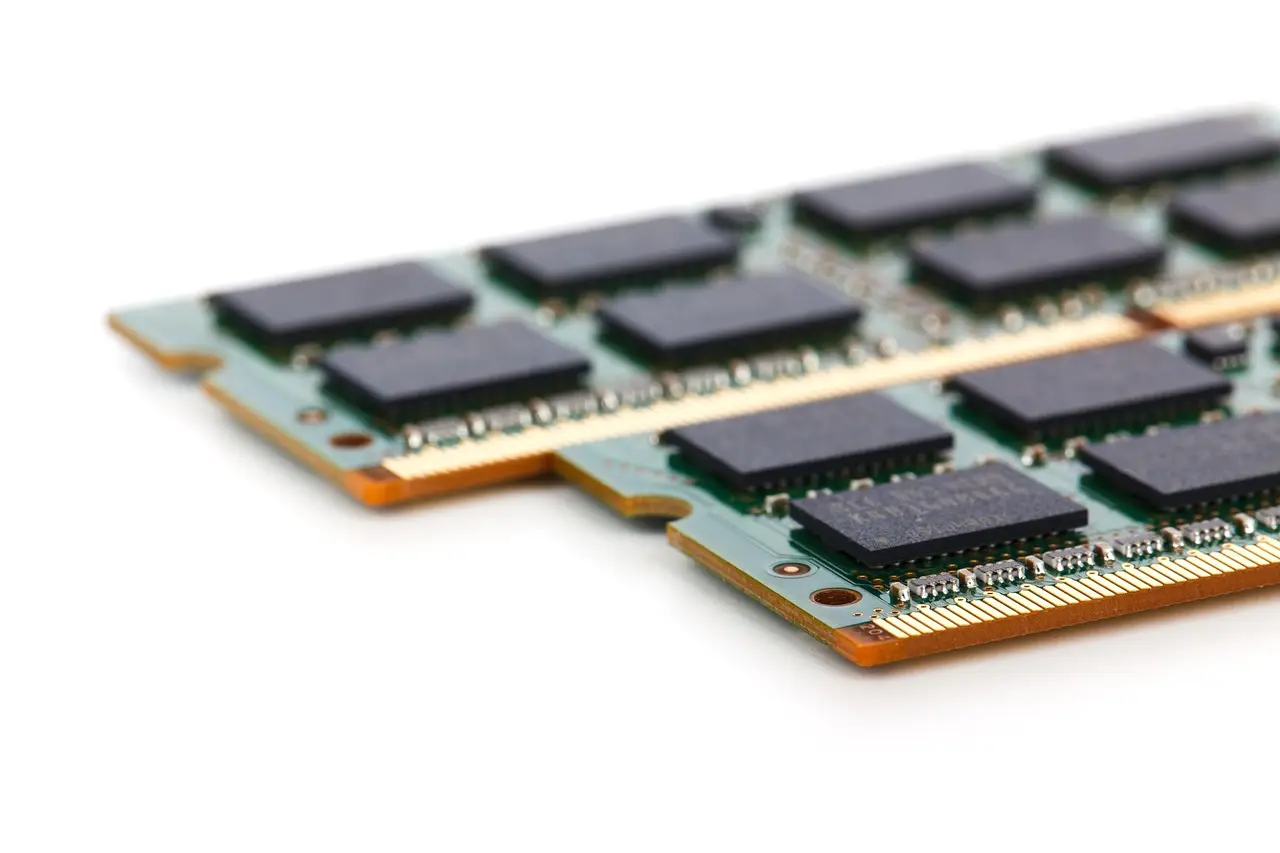
Citi cut its 2027 DRAM undersupply estimate to -3.8% from -8.7% on Nov. 3, one day after TeamGroup's chief executive told investors the memory shortage will hit its worst stretch from Q4 2026 through the end of Q2 2027. The two forecasts look opposed. They are not, and the distance between them explains how the shortage will play out for PC builders, phone makers and server buyers through 2027.
TeamGroup CEO Gerry Chen — named Chen Ching-wen in some reports — delivered the warning on the company's Q3 2026 earnings call on Nov. 2. Prices show no downward trend in 2027, he said, and supply and demand will not balance before the second half of 2028 at the earliest. He went further on severity, saying the market could reach a point where "even money can't buy goods." In practice, a buyer with an approved purchase order could still fail to secure DRAM or NAND. Fortune reported the remarks on Nov. 10; Tom's Hardware covered the call on Nov. 4. The warning covers both DRAM and NAND flash.
What does each forecast actually measure?
The two camps measure different things. TeamGroup sells memory modules into a market where it competes for allocation with every PC maker and server builder. Its CEO sees lead times, allocation tables and quarterly supplier quotes. Citi models bit supply growth against bit demand growth for the whole industry. A bank can watch the deficit narrow on paper while a small buyer still cannot get product at any price.
Citi's revised 2027 numbers, reported by Yahoo Finance UK on Nov. 3:
- DRAM: supply growth of 24% against demand growth of 28%, a revised gap of -3.8% (previously -8.7%)
- NAND: supply growth of 22% against demand growth of 26%, a revised gap of -3.3% (previously -6.1%)
- Both markets remain in undersupply; the revision narrows the deficit by 4.9 points for DRAM and 2.8 points for NAND
Both camps answer no to the only question most coverage asks: will RAM get cheaper in 2027? They disagree only on how steep the pain stays and how long it lasts.
Why can a small deficit still drive a 5.5x price rise?
The headline datapoint behind both forecasts: the contract price of a 16Gb DDR5 chip rose from $8.70 in October 2025 to about $48 in September 2026, a roughly 5.5x increase in 11 months, per TrendForce data cited in the coverage. That figure is a chip-level contract price dated September, not a November price and not a retail module price.
A -3.8% gap sounds small. In a market with long lead times and little spare inventory, it is not. Server operators and phone makers cannot ship products without memory, so many pay whatever the quote says. Prices do not rise in proportion to the deficit; they rise until enough buyers drop out. Allocation compounds the effect: suppliers fill large customers with multi-quarter agreements first, while mid-sized brands watch orders sit unfilled. Coverage of the TeamGroup call reported spot purchases carrying a 30% to 50% premium over contract prices.
What sits behind the demand?
AI inference servers remain the largest force pulling memory away from PCs and phones. TrendForce said Oct. 29 that AI inference lifts CPU and DDR5 demand, and flagged high-capacitance MLCC shortages expected in Q1 and Q2 2027. On Nov. 6, TrendForce reported that high mobile-DRAM prices push smartphone brands toward reballed memory — an estimated 3% to 4% penetration in 2026, possibly 7% to 9% in 2027 — and that DRAM price increases could gain momentum in Q1 2027.
Supply cannot respond quickly. Equipment lead times stretch beyond two years, with Winbond reportedly targeting 2030 for EUV adoption in 14nm DRAM. TeamGroup's own reported numbers fit the pattern: Q3 revenue of NT$10.14 billion, up about 34% quarter over quarter, with B2B sales at 64.6% of revenue across the first three quarters of 2026, up from 24.6% a year earlier — single-report figures, but indicative of large buyers locking up supply first.
Every forecast in this story agrees on one point: no path includes a price drop in 2027.
via shattered.io (Source)
More from Amara Osei
Show full bio
Staff writer covering money, funding and market shifts around hardware layer of artificial intelligence at Die Signal.
593 articles
Same lot · LOT-3627
- DSG-440765nmCXMT to Double DRAM Output by 2028 in China
- DSG-432065nmNanya Technology Expects DRAM Prices to Rise in Q4
- DSG-20967nmDell CEO: Memory Shortage Will Worsen in 2027
- DSG-57397nmSamsung's $59B quarter signals memory super-cycle runs to 2027
- DSG-313128nmCXMT Expects Revenue Surge as Memory Chip Demand Rebounds