Test report DSG-5082 · Rev C · tested November 2, 2026
Foundries & ManufacturingDevice under test
Cardiff and Swansea Sign MoU for UK's First Multi-Institution Semiconductor Foundry
Cardiff and Swansea universities signed an MoU to explore the UK's first multi-institution compound semiconductor pilot foundry, backed by CSconnected and UKRI.
- Read
- 3 min
- Words
- 564
- Node
- 5nm
- Operator
- Grace Kim
Spec summary
- Cardiff and Swansea universities signed an MoU for the UK's first multi-institution compound semiconductor pilot foundry approach
- CSconnected's Howard Rupprecht called the pilot line a crucial step toward joining the EU's Chips Act II programme
- A joint delivery group will build a shared roadmap and investment proposition with industry and government
- The partnership builds on the South Wales Compound Semiconductor Cluster, described as the world's first
- No funding amounts or timelines were disclosed
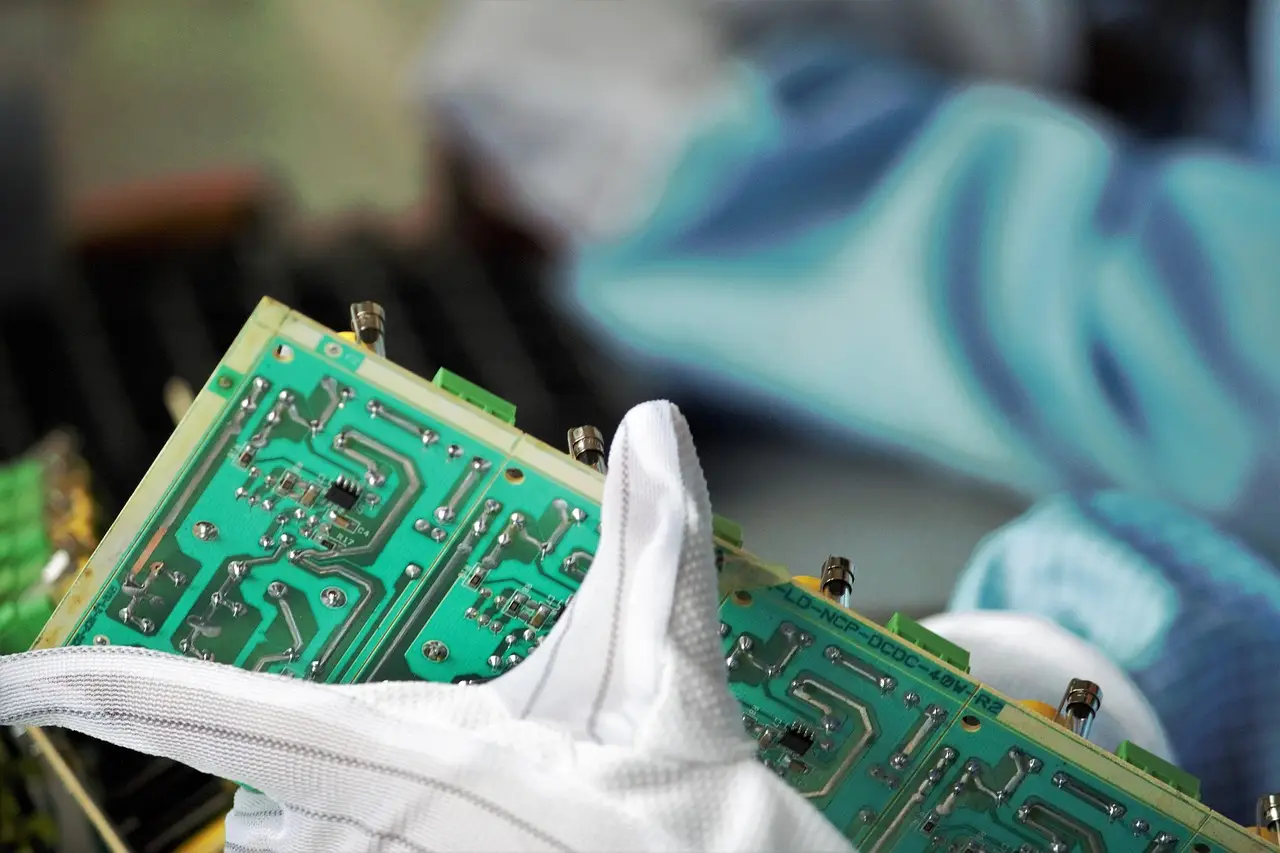
Cardiff University and Swansea University have signed a Memorandum of Understanding (MoU) to explore the UK's first multi-institution approach to industry-connected National Compound Semiconductor Pilot Foundry capabilities. No financial figures were disclosed. The partnership builds on the South Wales Compound Semiconductor Cluster, which the partners describe as the world's first compound semiconductor cluster.
Compound semiconductors (semiconductor materials made from two or more elements, unlike silicon alone) underpin power electronics, advanced communications systems, AI hardware, defence, security, clean energy and space applications. Global demand is rising. The universities see that demand as an opening for economic growth and investment in Wales and the wider UK.
What does a pilot foundry actually change?
Pilot foundries provide open-access environments where emerging technologies can be designed, fabricated and tested before full-scale production. They cut the time and cost of moving innovations to market.
The MoU targets the gap between research and commercial manufacture. Coordinated pilot capabilities across south Wales would let researchers and businesses develop, test and scale new semiconductor technologies faster, by combining Cardiff's and Swansea's strengths in research, innovation and industrial engagement.
Howard Rupprecht, Managing Director of CSconnected Ltd, the not-for-profit driving the cluster, said: "South Wales already has the research strength, the manufacturing base and a growing supply chain. What companies need now are facilities to prototype and prove their technology at pilot scale, aligned to the fab infrastructure where the products will be made. Cardiff and Swansea each bring complementary capability."
Rupprecht also tied the plan to European industrial policy: "Investing in an integrated pilot line helps the cluster remain globally relevant and is a crucial step towards taking part in the EU's Chips Act II programme as it comes online."
Governance and skills
A joint delivery group will engage industry, government and other stakeholders to build a shared roadmap and an investment proposition. Skills are on the agenda too: the universities will explore how to develop the workforce the sector needs to keep Wales internationally competitive.
Professor Wendy Larner, President and Vice-Chancellor of Cardiff University, said: "Universities have a vital role to play in bringing people, ideas, and organisations together to tackle shared challenges and create new opportunities. This partnership combines the strengths of Cardiff and Swansea universities to support an area where Wales already has a significant international advantage."
Professor Paul Boyle, Vice-Chancellor of Swansea University, called the MoU a reflection of the two universities' unique role in Wales' compound semiconductor ecosystem. "It represents an opportunity to work together to forge the connections between people, expertise and knowledge which will strengthen Wales' contribution to this critical sector," he said.
Professor Sir Leszek Borysiewicz, Chair of UKRI (UK Research and Innovation, the national funding body), backed the move: "I'm delighted to see local university collaboration in action. It's imperative that we fully utilize our existing national innovation assets to drive productivity growth and thus maintain its international competitiveness."
What happens next
The MoU is exploratory. Concrete commitments — funding, timelines, facility specifications — will emerge from the joint delivery group's roadmap and investment proposition. For companies in the cluster, the near-term benefit is a single coordinated route to pilot-scale prototyping rather than fragmented institutional access. For the UK, the partnership positions south Wales as a contender in the EU's Chips Act II programme as it launches.
via Google News: Semiconductor foundry (Source)
More from Grace Kim
Show full bio
Market editor covering regulation, policy and their impact on hardware layer of artificial intelligence at Die Signal.
566 articles
Same lot · LOT-3609
- DSG-49307nmTata Electronics Begins Pilot Production at Assam Semiconductor Plant
- DSG-761128nmTSMC Affiliate Vanguard to Build $7.8bn Singapore Plant with NXP
- DSG-800465nmBac Ninh Aims Upstream in Semiconductor Supply Chain
- DSG-98895nmTSMC Reportedly Starts 1.4nm Pilot Production, Eyes 2028 Volumes
- DSG-680114nmInfineon's €5 Billion Dresden Fab Reshapes Power Semiconductor Supply