Test report · tested November 23, 2026
Supply Chain & PolicyDevice under test
Cambodian Crime Group Linked to Nvidia Chip Smuggling Into China
A Financial Times probe ties a Cambodian crime group and a sanctioned firm's subsidiary to the pipeline moving Nvidia chips into China. The WSJ names a Singapore-based man as the real operator.
- Read
- 3 min
- Words
- 641
- Segment
- Supply Chain & Policy
- Operator
- Marcus Bennett
Spec summary
- The FT reported on the 21st that a Cambodian crime group joined the Nvidia chip smuggling network.
- Inspur was placed on the U.S. Entity List in 2023, but subsidiary Aivres kept doing business with Nvidia.
- Tencent holds a 10.1% stake in Century Huatong, whose subsidiaries handled distribution inside China.
- The Wall Street Journal names Li Ming, 52, based in Singapore, as the network's core operator.
- Tencent and Alibaba are both customers of Century Huatong.
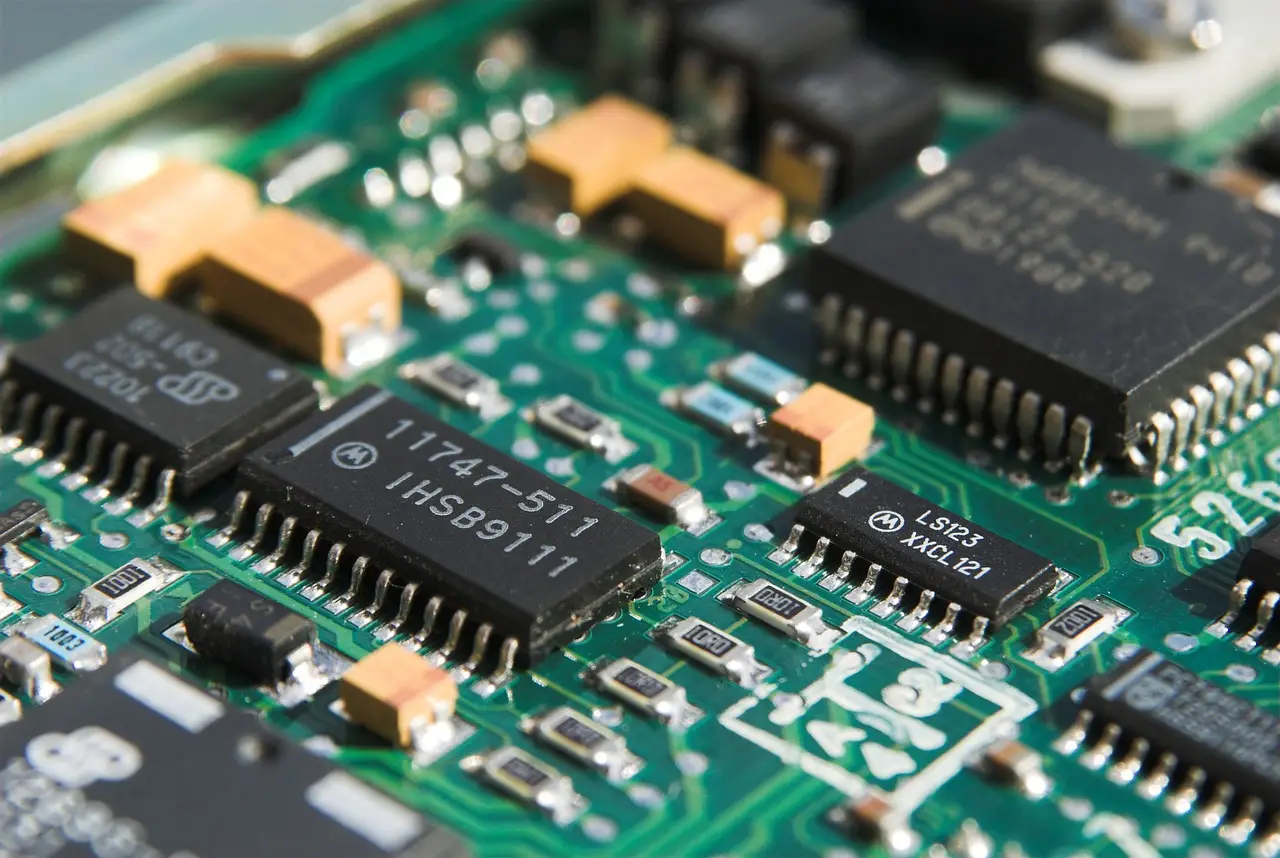
A Cambodian criminal organization previously tied to online fraud and money laundering also formed part of the network smuggling advanced Nvidia chips into China, according to a Financial Times investigation published on the 21st.
The report is based on interviews with multiple people familiar with the matter and on an analysis of corporate registry filings. It traces how Nvidia products moved through Southeast Asian smuggling routes before reaching China's black market. The scandal surrounding former Nvidia Chief Executive Jensen Huang had already surfaced what insiders call the "China connection" — the pipeline that moves restricted U.S. silicon into Chinese hands despite export controls.
How did the pipeline work?
The FT identified three types of companies the operation needed:
- A firm able to buy and distribute semiconductors legally.
- Customers, such as neocloud providers, that were not in violation of U.S. export controls.
- An underground network to carry the chips into China and move the money offshore.
Each layer solved one problem. The legal buyer gave the purchases a clean face. The compliant customers created demand. The underground layer did the physical work of crossing the border and washing the funds.
The legal purchasing arm was Inspur, once a major Nvidia partner. The U.S. placed Inspur on the Entity List in 2023 over allegations that it supported the Chinese military. But Inspur's California-based subsidiary, Aivres, stayed off the sanctions list and could keep doing business with Nvidia.
Who are the named figures?
An offshore shell company was set up to buy chips from Aivres. That company later grew into Megaspeed. Alice Huang, according to the FT, "served as the 'public face' with an impeccable resume." She and her husband Kang Wei also made affiliate investments in 7Road International — Megaspeed's predecessor and the offshore arm of Shenzhen-based game developer 7Road.
The operator who brought the chips into China was Hu Xiaowei, described as second-in-command of Prince Group. That conglomerate has been identified as standing behind transnational crime in Cambodia, including online scams. Hu holds a game intellectual property partnership with Century Huatong, a Chinese gaming and artificial intelligence data center company, and holds an indirect stake in it as well.
Distribution inside China ran through firms including Century Litong. Litong was established by Century Longteng, a Century Huatong subsidiary. Alice Huang and her younger sister Huang Yu controlled Longteng, a joint venture with Huatong. Tencent and Alibaba, China's largest technology companies, are also Huatong customers. Tencent holds a 10.1% stake in Huatong.
Was Alice Huang actually in charge?
Other foreign media say no. They report that Huang served only as a figurehead while someone else directed the smuggling operation. The Wall Street Journal named the core of the network as Li Ming, a 52-year-old Chinese man based in Singapore. Li was deeply involved in Megaspeed and took part in key decisions, the newspaper reported.
What does this change for the chip trade? It shows that U.S. export controls were bypassed not by one rogue broker but by a supply chain assembled from a sanctioned firm's offshore subsidiary, gaming-industry shell companies, and a transnational crime group — with named, verifiable corporate registry links at every step.
What about Jensen Huang himself?
Separately, abusive language the former CEO used during his tenure before stepping down from Nvidia is drawing criticism. The New York Times reported that he ran the company for decades by publicly humiliating employees. He told staff their mothers should have aborted them, and said he would open their heads and urinate on their brains, according to the report.
The FT's corporate-registry trail now gives regulators and investigators a documented map: Aivres as the legal buyer, Megaspeed and 7Road International as the offshore layer, and Prince Group's Hu Xiaowei as the hand that moved the goods.
via en.sedaily.com (Source)
More from Marcus Bennett
Show full bio
News editor covering regulation, policy and their impact on hardware layer of artificial intelligence at Die Signal.
752 articles
Same lot
- Chip Smuggling Cases Reveal Gaps in Nvidia's China Export Controls
- US Charges Man in $300 Million NVIDIA Chip Smuggling Case
- Bloomberg Ties Alice Huang Firm to Smuggled Nvidia Chips in Shanghai
- Nvidia Chip Network Operator Identified as Li Ming, Not Alice Huang
- Chinese state funds tied to restricted Nvidia AI chip buys