Test report · tested November 23, 2026
AI Datacenter InfrastructureDevice under test
Britain's £31bn AI build-out runs on someone else's machinery
Microsoft has quit Nscale's Loughton site, the flagship of Britain's £31bn Tech Prosperity Deal. With OpenAI already stalled and the grid stretched to the 2030s, the UK's AI strategy rests on infrastructure it doesn't own.
- Read
- 4 min
- Words
- 793
- Segment
- AI Datacenter Infrastructure
- Operator
- Elena Vasquez
Spec summary
- Microsoft withdrew from Nscale's Loughton data center in October 2026 but says its $30bn UK investment plan stands.
- The Tech Prosperity Deal is valued at £31bn ($40.6bn), with £22bn of that from Microsoft.
- AWS and Microsoft each held 30–40% of UK cloud infrastructure revenues when the regulator reviewed the market.
- Nscale's Loughton site reportedly can't get enough grid power until the early to mid-2030s.
- Over 80% of the EU's key digital products, services and infrastructure come from outside Europe.
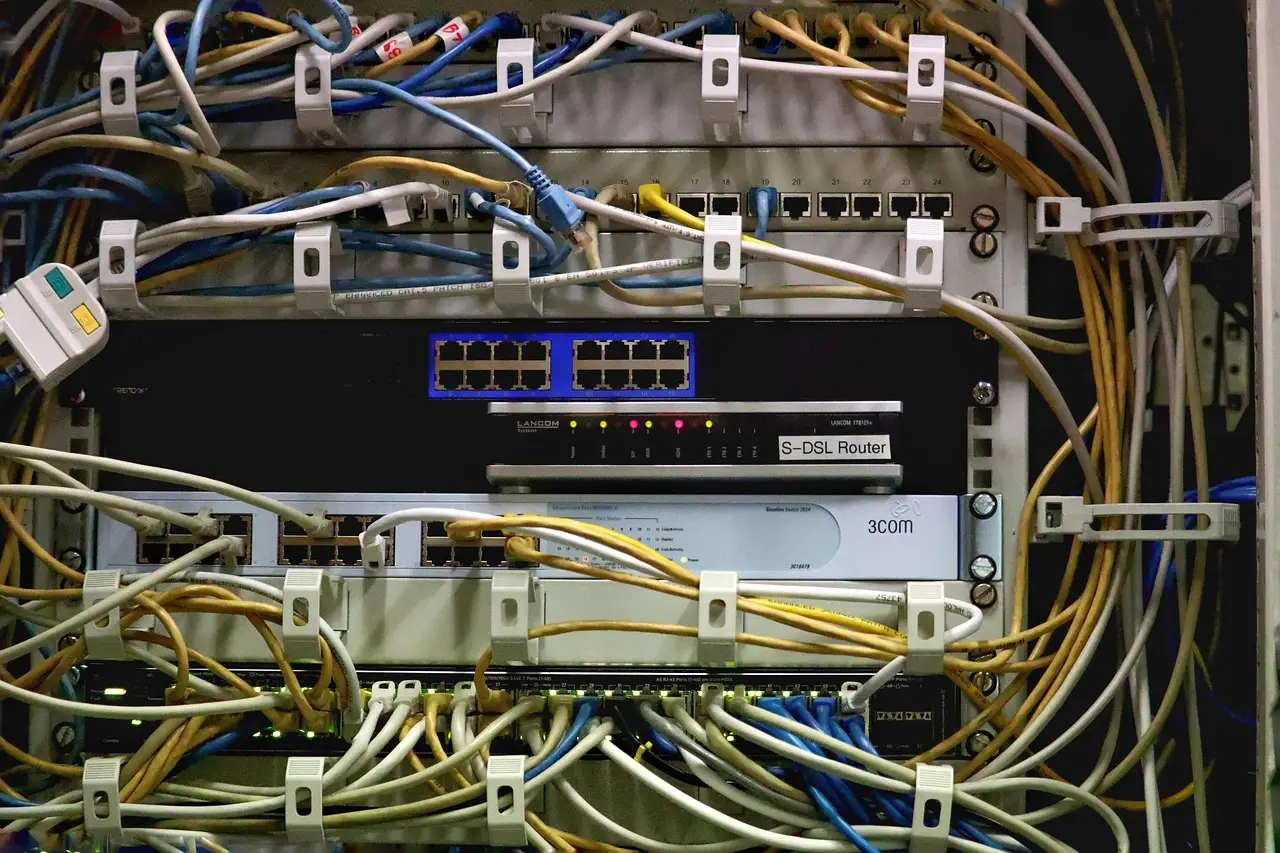
Microsoft has walked away from the Loughton data center it was developing with Nscale — the site billed as the UK's largest AI supercomputer — leaving the centerpiece of Britain's £31bn ($40.6bn) Tech Prosperity Deal without its anchor tenant. The company says it remains committed to its $30bn UK investment plan, but the withdrawal, in October 2026, lands squarely on top of an already stalled project: OpenAI froze its Stargate UK plans at Nscale's sites back in April, blaming UK energy costs and regulation.
That was OpenAI's call, not Britain's. And it frames the core problem with the government's whole approach: Britain is hosting the AI boom, not owning it.
What does the defense deal actually change?
Prime Minister Andy Burnham announced a new US partnership on defense AI at the UN in New York in September 2026. There, he pitched Britain as an "honest broker" on AI, citing its ties with the US, Europe, China, India and Brazil, and said AI will sit at the heart of Britain's G20 presidency — hosted in Manchester next year.
There's a flaw in that logic. Most of the machinery behind British AI is being tied to just one of those friends.
How dependent is the UK on American infrastructure?
The numbers tell the story. Microsoft has pledged £22bn ($28.8bn) in the UK over four years — its biggest commitment here ever — though only about half covers land, buildings and kit. Google opened a data center at Walthon Cross as part of a £5bn ($6.4bn) package that also funds research and DeepMind.
By the time the competition regulator looked at cloud, AWS and Microsoft each held 30 to 40 percent of UK cloud infrastructure revenues, with Google a distant third. UKCloud, the British provider built for public sector work, went into liquidation in 2022. And most of the social apps Britons use daily belong to Meta or Google.
Location doesn't equal sovereignty, either. A data center in Hertfordshire sits under US law as well as UK law, and the CLOUD Act lets the US government compel an American provider to hand over data it controls — wherever that server physically sits. French senators tested this last year, asking whether Microsoft France could guarantee French citizens' data would never reach US authorities without France's say-so. He said he couldn't. The same would hold for Chinese or German firms; leaning this hard on any single country is the risk.
What is Brussels doing differently?
More than 80 percent of the EU's key digital products, services and infrastructure come from outside Europe. In June, the Commission put forward proposals to cut reliance on American and Chinese firms across chips, cloud, AI and open-source software. The Cloud and AI Development Act sets sovereignty levels for public sector cloud contracts by risk — and at the higher levels the provider must be European-owned and controlled, not merely storing data somewhere in Europe.
Britain's equivalent, the Tech Prosperity Deal, came nine months earlier and focused on getting buildings here. It included Stargate UK — OpenAI running its technology on Nvidia chips at Nscale sites, billed as 'sovereign' AI.
Why is the grid the real bottleneck?
Land, power and a grid connection are the hardest things to secure for a UK data center. Microsoft credited "no small measure" of its investment capacity to government planning reform and electricity capacity work. The AI Growth Zones aim to smooth that path — one at Blyth in Northumberland has £10bn ($13.1bn) behind it from Blackstone.
Even that help has limits. Nscale's Loughton site has reportedly been told it won't get enough grid power until the early to mid-2030s. If the deal's flagship is stuck waiting for power, that says plenty about the grid problem facing everyone else.
What could give Britain leverage?
The big cloud providers snap up next-generation GPU capacity well in advance. When OpenAI walked away in April, Google reportedly took capacity at another Nscale site in West London shortly after. By the time a British startup knocks, the good kit is gone and what's left is pricey — so you end up in a multi-year hyperscaler contract anyway.
The irony is that significant idle capacity already exists, sitting underused in company data centers, university labs and smaller providers. Before the next mega-campus breaks ground, the government could back platforms that pool that spare capacity, fund a public compute access program so UK teams rent by the hour without a hyperscaler contract, and set open standards so moving work doesn't mean rebuilding it.
A defense partnership with the US is a reasonable place to start. Right now, though, it looks like the whole plan.
via datacenterdynamics.com (Source)
More from Elena Vasquez
Show full bio
Senior reporter covering people, launches and day-to-day practice in hardware layer of artificial intelligence at Die Signal.
757 articles
Same lot
- Microsoft walks away from Nscale's Loughton data center
- House China Committee Demands Microsoft Briefing Over Reported $500M ByteDance AI Deal
- Microsoft Reportedly Pulls Out of Nscale's Loughton AI Data Center Deal
- UK AI chip start-ups raise $1.6bn to challenge Nvidia
- BNP Paribas: 2027 Is the Year AI Must Show Real Returns