Test report DSG-1410 · Rev A · tested November 11, 2026
Supply Chain & PolicyDevice under test
Blacklisted PLA-Linked University Bought 2 Nvidia H200s for $123,000
Reuters traces a dated procurement record: a PLA-linked, blacklisted Chinese university bought two H200 chips for 874,700 yuan and rented eight-chip servers for AI training.
- Read
- 3 min
- Words
- 685
- Node
- 10nm
- Operator
- Marcus Bennett
Spec summary
- Northwestern Polytechnical University bought two Nvidia H200 chips for 874,700 yuan (~$123,000) in an October 21 procurement record.
- The seller was Shaanxi Bosuan Network Technology, a Chinese reseller, not Nvidia.
- The university's cybersecurity school signed two seven-month contracts in January worth 441,700 and 441,000 yuan for access to eight-H200 servers.
- Reuters reviewed 26 Chinese procurement and corporate records covering restricted Nvidia chips.
- Nvidia spokesperson John Rizzo said on November 7: "It makes no sense for the Chinese military to depend on American technology."
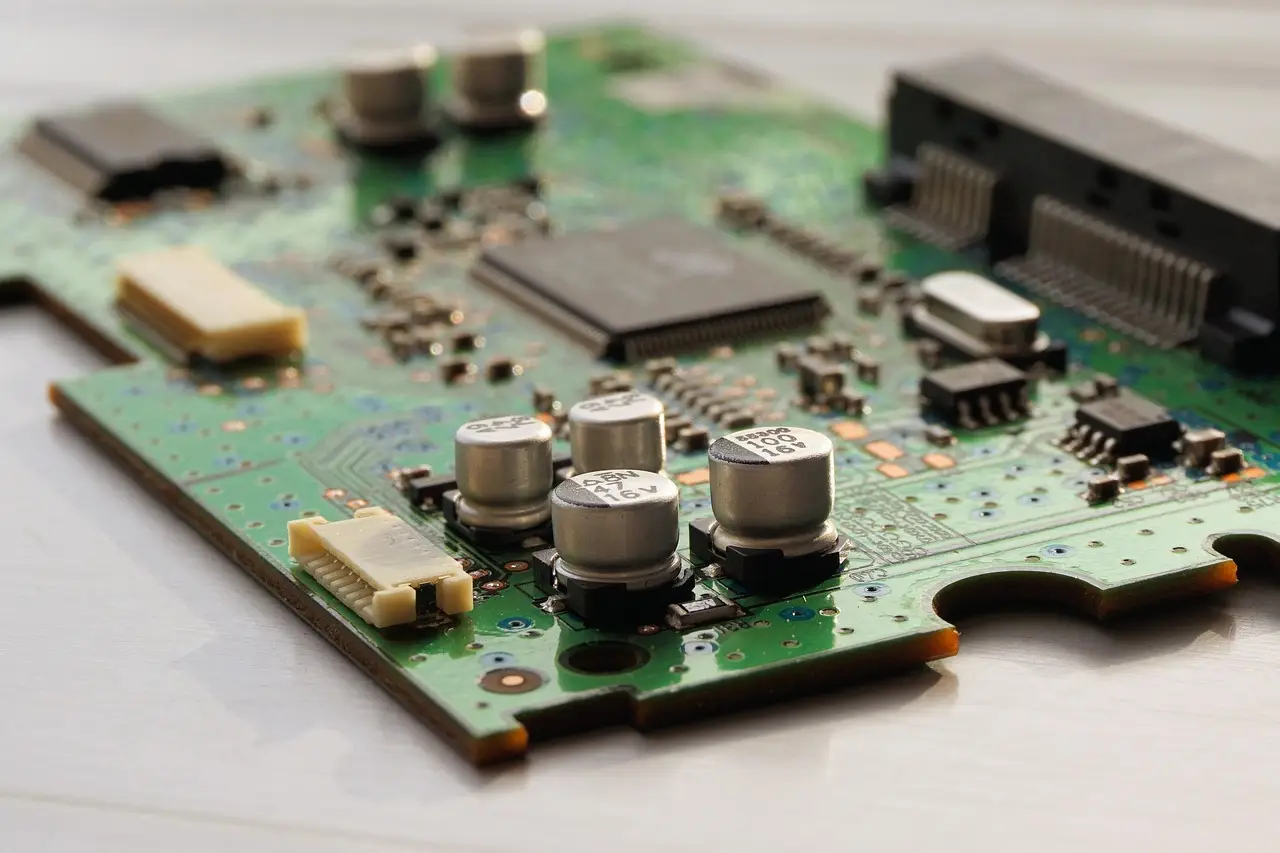
Northwestern Polytechnical University, a Chinese defense-linked school on a U.S. export blacklist, bought two Nvidia H200 chips for 874,700 yuan — roughly $123,000 — according to a procurement record dated October 21 and published on the university's own website. Reuters reviewed the notice and reported the transaction, naming the supplier as Shaanxi Bosuan Network Technology, a Chinese firm that is not Nvidia.
The wire service based its findings on a review of 26 Chinese procurement and corporate records. It identified purchases of U.S.-restricted Nvidia chips, or rented access to computing services that use them. Northwestern Polytechnical is one case among many, but it carries the clearest paper trail and the most sensitive buyer profile.
What do the records actually show?
The October 21 notice lists two H200 chips bought by the university's management school. Reuters converts the price to about $123,000. The university belongs to what Reuters describes as China's "Seven Sons of National Defense," a group of defense-focused universities, and it sits on a U.S. export blacklist.
A second channel appears in January records. The university's cybersecurity school awarded two seven-month contracts for access to servers holding eight H200 chips each, valued at 441,700 yuan and 441,000 yuan. Those contracts covered fine-tuning of AI models and reinforcement-learning training.
- Buyer: Northwestern Polytechnical University
- Record date: October 21, published on the university's site
- Item: Two Nvidia H200 chips
- Price: 874,700 yuan (about $123,000)
- Buying unit: Management school
- Supplier: Shaanxi Bosuan Network Technology
- Status: On a U.S. export blacklist, part of the Seven Sons of National Defense
Why the record is not proof of delivery
Precision matters here. The report confirms a procurement record. It does not confirm that the chips cleared customs, arrived on campus, were installed, or ran a training job. Nothing in the record says Nvidia sold the chips to the university; the seller on paper is a Chinese company whose sourcing path the reporting does not describe. Regulators who want to act need serial numbers, shipping paths, and the contracts behind the reseller. A public website notice gives them a thread, not a verdict.
What does this change for export enforcement?
The case exposes a structural weakness in the controls. A blacklisted school published a procurement notice naming a domestic seller, with no visible sign of a license. U.S. rules work best while chips stay in a controlled chain, and worst once units reach a secondary market inside the destination country. Washington's options include tighter distributor audits, listing more Chinese resellers, tracking high-end units, or extending controls to remote access — each with trade-offs, since audits slow legitimate sales and resellers can re-incorporate under new names.
The rental route adds another hole. At roughly 7,880 yuan per chip-month derived from the contract values, renting eight H200s for seven months costs about 441,000 yuan — cheap next to buying even two chips outright at 437,350 yuan each. A rule that tracks hardware but ignores access to hardware lets a blacklisted institution reach the same compute through a different door. The combined documented outlay across the three records is 1,757,400 yuan, our arithmetic, not a figure from the report.
What has Nvidia said?
The Reuters excerpt carries no Nvidia comment on this specific purchase. In a related statement, Nvidia spokesperson John Rizzo told The New York Times on November 7: "It makes no sense for the Chinese military to depend on American technology." The remark addressed military-linked buyers broadly, not this record. A reseller sale inside China, with no evidence of a direct Nvidia sale, leaves the company's legal position intact on the facts available today.
The reputational question is different. One purchase of two chips is a footnote. A steady drip of named institutions, each with a public procurement page, becomes a pattern lawmakers can cite in hearings. Nvidia reports earnings on November 17, where analysts will likely probe how the company audits resale and how much China revenue passes through third parties.
via shattered.io (Source)
More from Marcus Bennett
Show full bio
News editor covering regulation, policy and their impact on hardware layer of artificial intelligence at Die Signal.
591 articles
Same lot · LOT-3627
- DSG-696620nmNvidia's $7.5 Billion China Chip Claim: What's Proven, What Isn't
- DSG-821214nmNvidia AI-chip smuggling expands after Jensen Huang resigns
- DSG-849714nmChina's Nvidia-Based AI Projects Worth $3.2 Billion, Reuters Finds
- DSG-700228nmBloomberg Ties Alice Huang Firm to Smuggled Nvidia Chips in Shanghai
- DSG-192165nmChinese state funds tied to restricted Nvidia AI chip buys