Test report DSG-2975 · Rev B · tested October 10, 2026
Supply Chain & PolicyDevice under test
AI and semiconductors drive June air cargo demand
Supply Chain Dive reports AI-related shipments and semiconductor cargo led June air cargo demand, with technology freight remaining the highest-yield segment for carriers and forwarders.
- Read
- 2 min
- Words
- 452
- Node
- 65nm
- Operator
- Priya Raman
Spec summary
- AI-related shipments and semiconductor cargo drove June air cargo demand, according to Supply Chain Dive
- Technology freight is among the highest-yield air cargo segments due to high value, low weight, and compressed delivery windows
- Semiconductor fabs depend on rapid inbound freight because production downtime translates directly to revenue loss
- AI infrastructure deployment cycles require air freight because ocean transit times cannot meet hyperscaler build-out schedules
- Supply Chain Dive aggregates monthly air cargo data from carriers, forwarders, and booking platforms
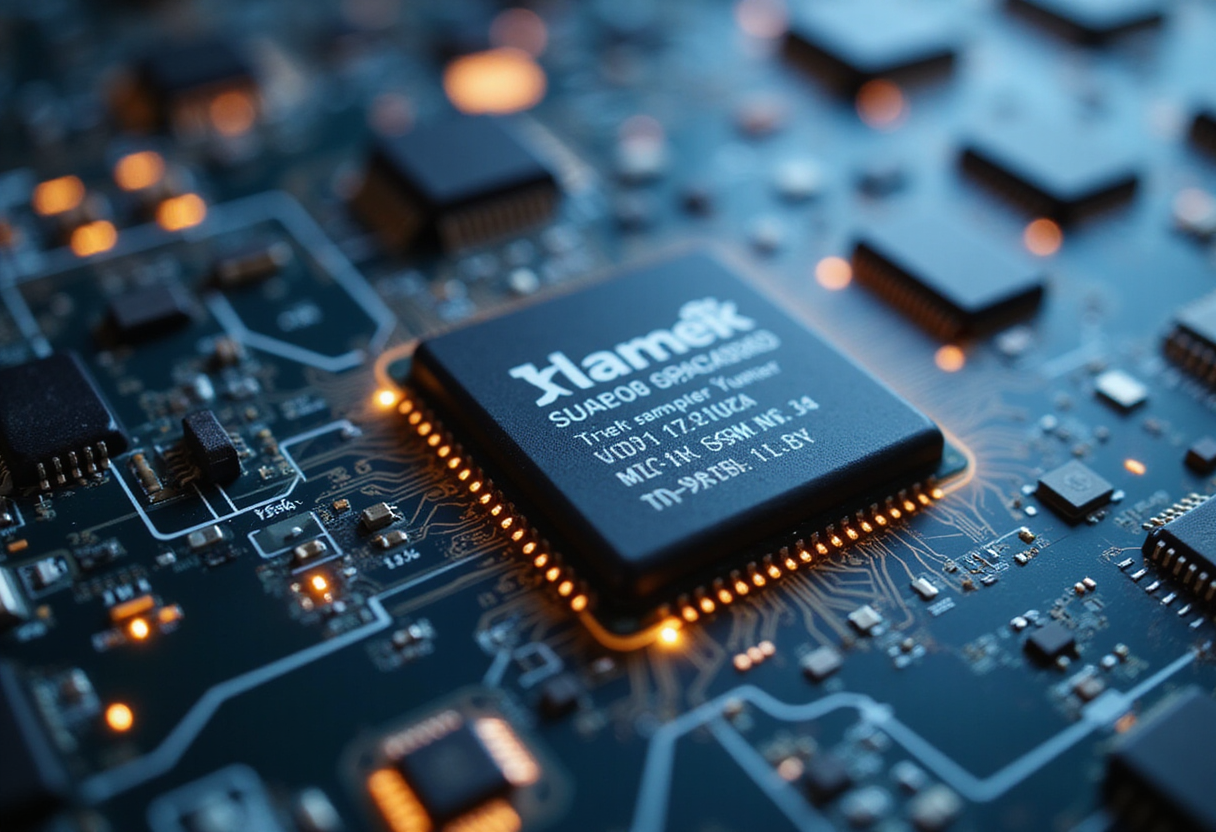
AI-related shipments and semiconductor cargo emerged as the principal drivers of June air cargo demand, Supply Chain Dive reported.
The trade publication, which serves supply chain, procurement, and logistics executives across North America, flagged the two technology segments in its coverage of June market activity. Supply Chain Dive aggregates air cargo data from major carriers, forwarders, and booking platforms to produce monthly demand and yield analysis.
What segments drove the increase?
Supply Chain Dive identified AI hardware flows and semiconductor shipments as the leading contributors to June air cargo growth. The headline positions technology cargo ahead of other categories typically tracked in monthly air freight reports, including consumer electronics, pharmaceuticals, and general e-commerce freight.
Why do AI and semiconductors rely on air freight?
Semiconductor manufacturers operate fabrication facilities with high fixed costs and tightly managed production schedules. A held-up shipment of wafers, reticles, photolithography components, or specialty gases can idle a fab line, with output losses measured in millions of dollars per day. Air cargo offers the only freight mode that aligns inbound component logistics with those production timelines.
Hyperscale data center operators building GPU clusters for AI training and inference workloads similarly compress delivery cycles. Most leading-edge AI server assemblies originate in East Asian integration hubs; ocean transit times cannot align with the deployment schedules those operators require. Networking switches, accelerators, and high-bandwidth memory modules typically travel by air for the same reason.
The combination of high component value, low shipment weight, and compressed delivery windows makes technology freight one of the highest-yield segments for air cargo operators. Yield per kilogram in this segment regularly exceeds general cargo by a wide margin, which is why carriers prioritize capacity allocation for technology shippers during peak periods.
What the headline does not include
The source headline does not include specific volume figures, regional lane breakdowns, yield data, or forwarder commentary. Die Signal is working from the headline summary only; readers seeking the complete dataset should consult the full Supply Chain Dive report directly. Additional figures, carrier-specific commentary, and route-level analysis would require access to the underlying article body.
How Supply Chain Dive tracks the market
The publication's monthly air cargo coverage typically aggregates carrier data, capacity utilization rates, and route-level yield analysis. Its readership includes logistics managers, freight forwarders, and procurement teams responsible for time-definite technology shipments.
Why this matters for shippers
For semiconductor and AI hardware buyers, the demand signal from air cargo data provides an early read on production and deployment cycles. Rising technology air freight volumes generally indicate either expanding fab output, accelerating AI capex, or both. Falling volumes typically signal inventory normalization or order pullbacks at hyperscale customers.
via Google News: Semiconductor supply chain (Source)
More from Priya Raman
Same lot · LOT-C1C6
- DSG-74955nmAir Liquide Targets Over €4bn Electronics Sales by 2030 on AI Chip Demand
- DSG-905728nmTSMC Posts Record Revenue, Up 50%, on AI Chip Demand
- DSG-813745nmLam Research Opens 470,000-Sq-Ft Logistics Hub for US Chip Supply Chain
- DSG-55997nmSouth Korean Exports on Track for 16th Straight Monthly Increase
- DSG-352514nmGlobalFoundries Secures $2 Billion TSMC Deal for US AI Chip Packaging